
Author: Richard De Martin - Page 20
Bitex is not one exchange-it's multiple unregulated platforms with no audits, no licenses, and frequent user complaints. Learn why you should avoid Bitex in 2026 and what safer alternatives exist.
The ElonDoge x CoinMarketCap airdrop in 2021 gave away $20,000 in EDOGE tokens. Today, EDOGE is worth almost nothing. Here’s what happened, who profited, and why most meme coin airdrops fail.
Spartan Protocol isn't a crypto exchange-it's a low-liquidity DeFi token with no audits, no community, and almost no trading volume. Here's why you should avoid it.
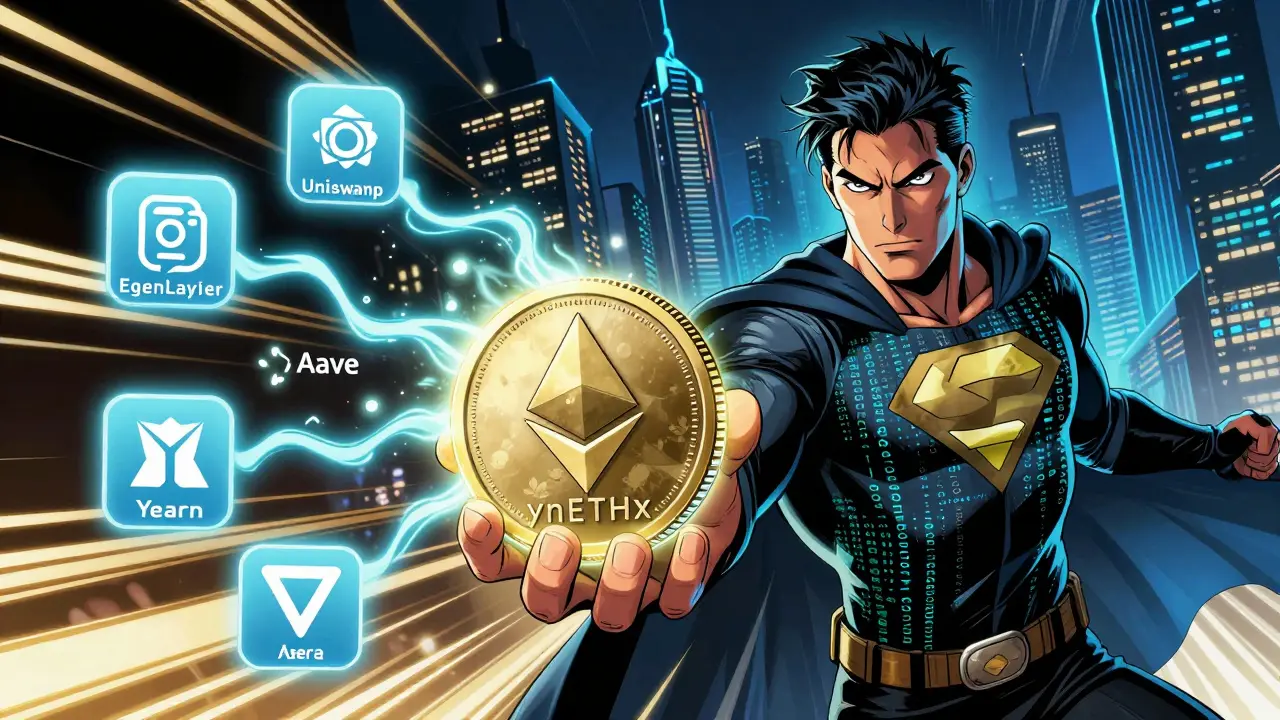
ynETH MAX (ynETHx) is a liquid restaking token that combines ETH staking, EigenLayer restaking, and DeFi yield strategies to target 10-15% APY. It's high-risk, high-reward, and designed for experienced DeFi users.
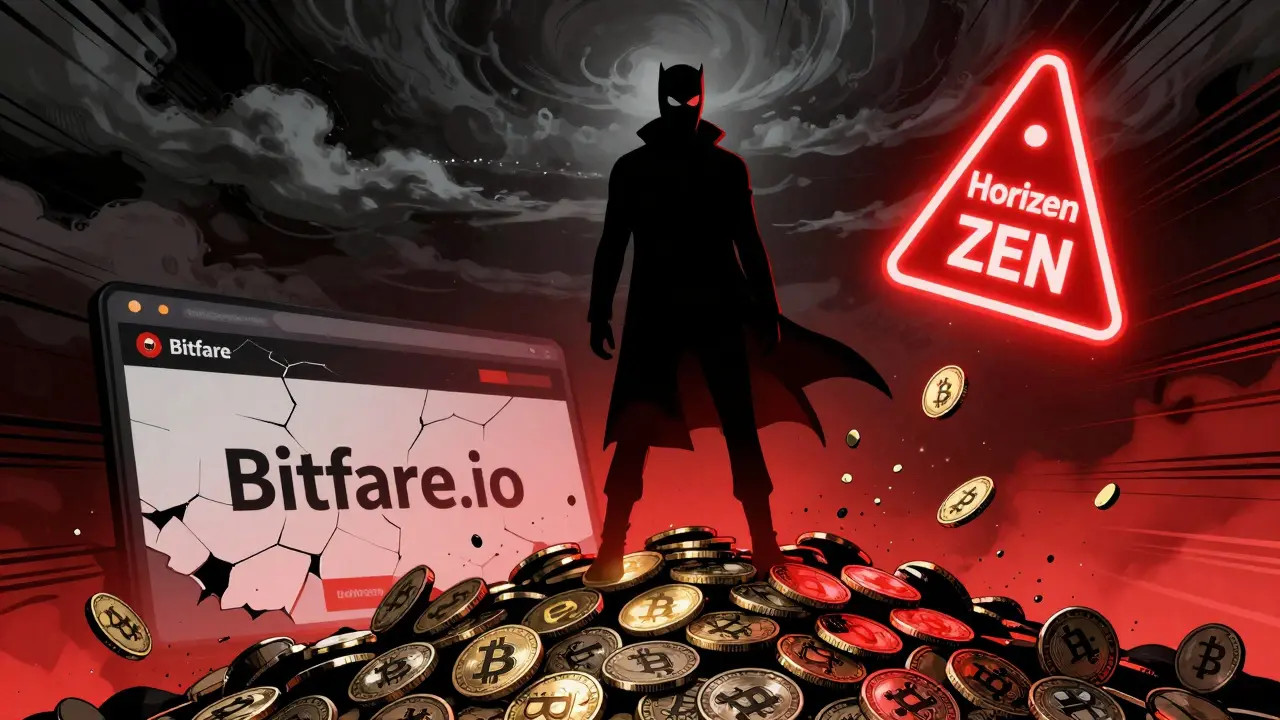
Bitfare crypto exchange is a suspected scam flagged by Horizen in 2023. No licenses, no audits, no user reviews, and no response to warnings. Avoid this platform entirely and choose regulated, transparent exchanges instead.
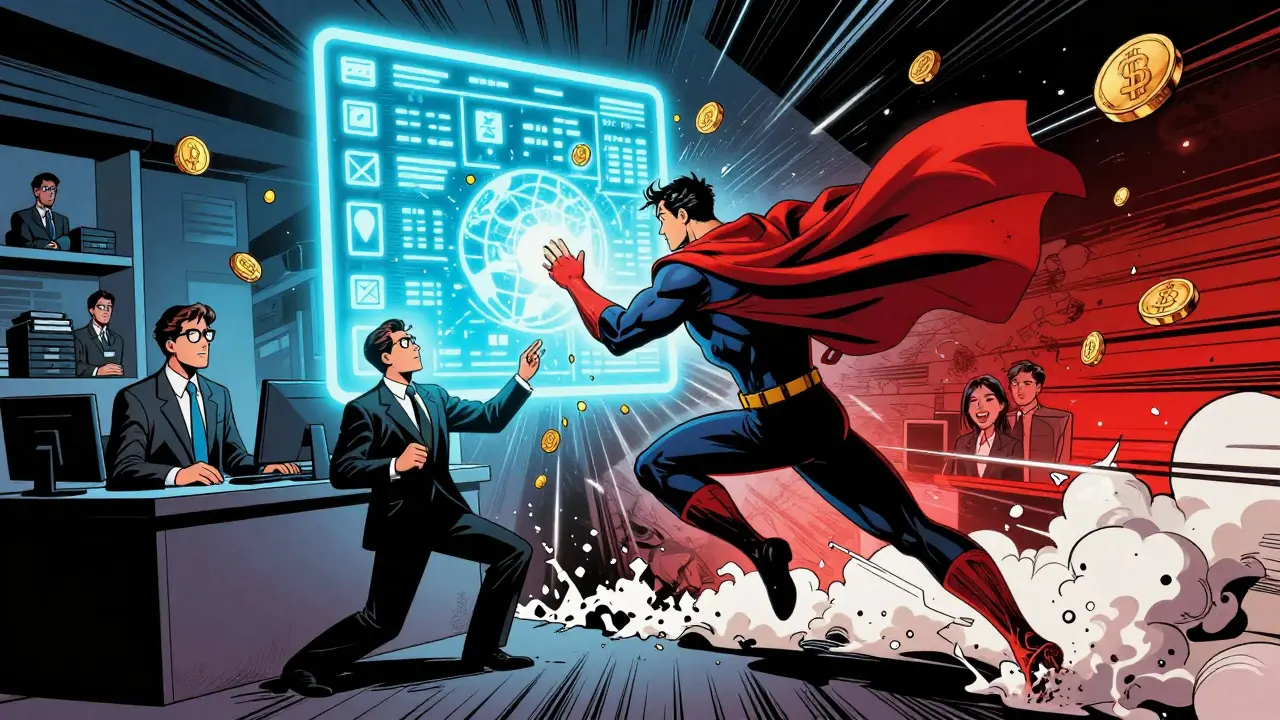
Blockchain removes middlemen by enabling direct peer-to-peer transactions through smart contracts, cutting costs and delays in finance, advertising, and royalties. Learn how it works, where it saves money, and why some intermediaries still survive.
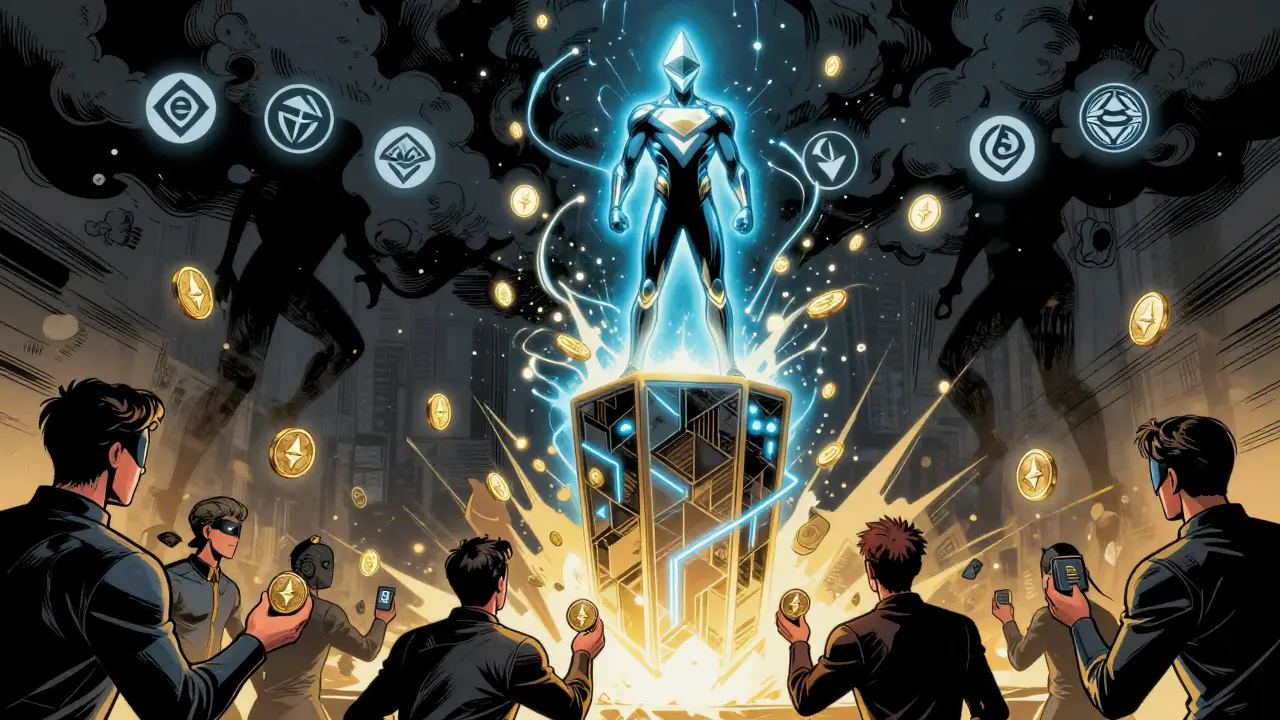
Validator networks are the backbone of modern blockchains like Ethereum, replacing energy-hungry mining with staking. Learn how they work, why centralization is a growing risk, and what’s coming next in staking technology.
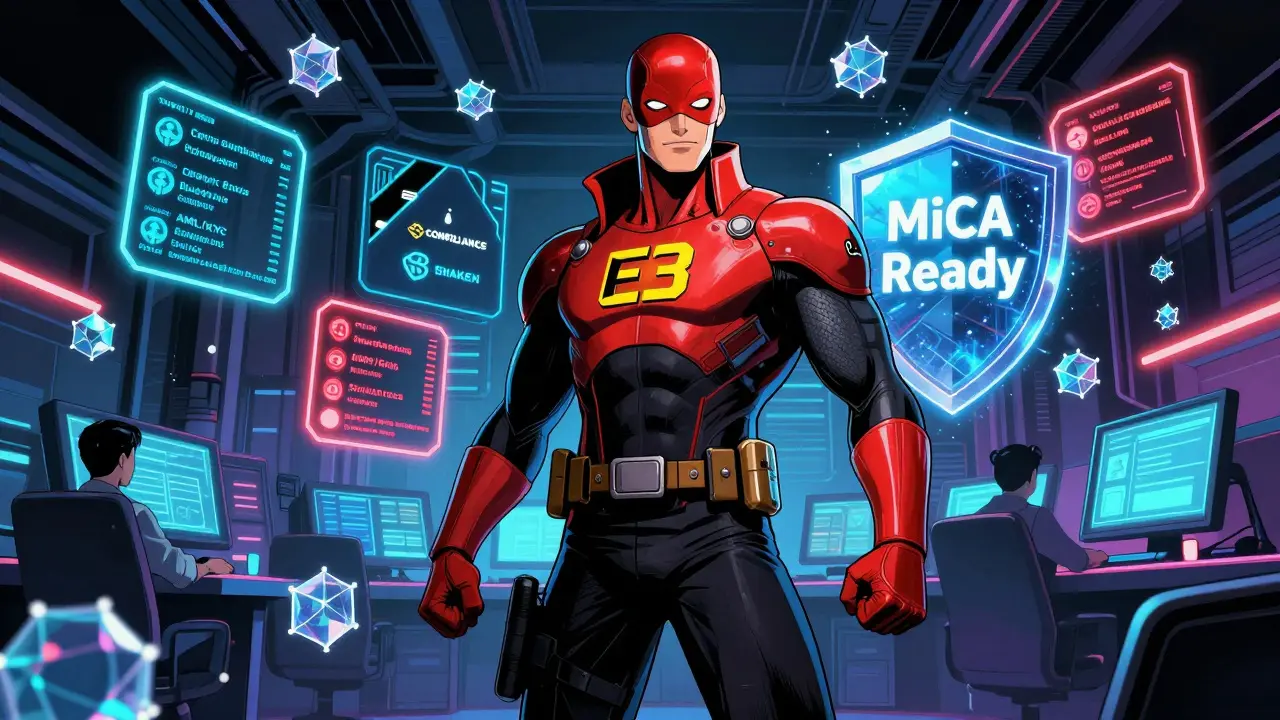
E3 Compliance Technologies isn't a crypto exchange - it's a compliance tool that helps exchanges meet AML, KYC, and MiCA rules. Learn how it works, who uses it, and whether it's right for your business.
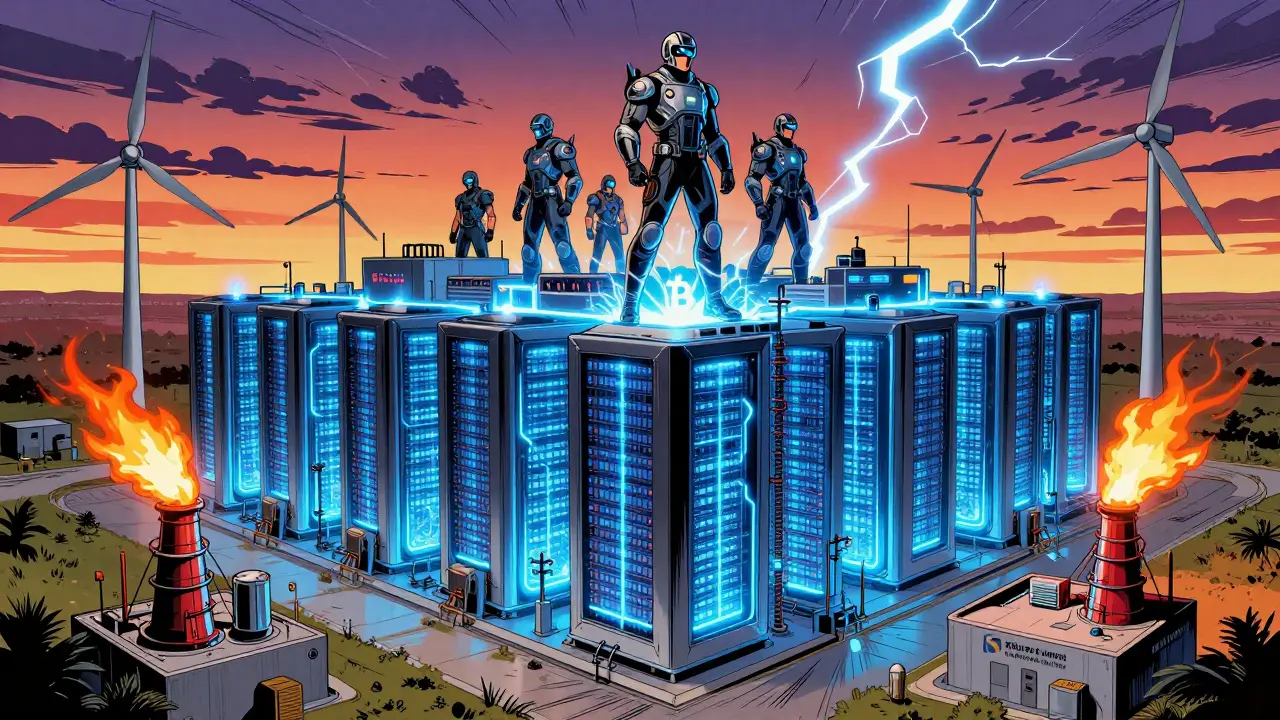
Discover the top crypto mining-friendly countries in 2025 based on electricity costs, tax policies, and legal stability. Learn where to mine Bitcoin and Ethereum legally and profitably.
Bitexblock crypto exchange is not a legitimate platform. No verified information exists about its operations, security, or regulation. This review exposes it as a scam and lists trusted alternatives for safe crypto trading.
Uniswap v2 on Avalanche offers fast, low-cost crypto trading without intermediaries. With deep liquidity and trusted code, it's the top DEX on Avalanche for everyday traders. No KYC, no delays, just direct swaps.
Crex24 claims to be a full-featured crypto exchange, but high withdrawal fees, scam allegations, and hidden management make it dangerously unreliable. Avoid this platform and choose trusted alternatives like Binance or Kraken.
 Cryptocurrency Guides