

You’ve likely seen the buzz around Bull Finance, a decentralized finance (DeFi) protocol that has been making waves in the crypto community. If you’re here, you’re probably asking one question: how do I get my free tokens? Airdrops are one of the most exciting ways to enter the crypto space without spending capital upfront, but they can also be confusing if you don’t know where to look.
This guide cuts through the noise. We’ll break down everything you need to know about the Bull Finance airdrop, including who qualifies, what tasks you need to complete, and how to safely claim your rewards. Whether you’re a seasoned DeFi user or just starting out, this information will help you navigate the process with confidence.
What Is the Bull Finance Airdrop?
An airdrop is essentially a distribution of free cryptocurrency tokens to wallet addresses. Projects like Bull Finance use airdrops as a marketing strategy to reward early supporters, increase token circulation, and build a loyal community. For users, it’s an opportunity to gain exposure to a new project at zero cost.
The Bull Finance airdrop isn’t just a random giveaway. It’s designed to incentivize specific behaviors that strengthen the ecosystem. This might include providing liquidity, trading on their platform, or simply engaging with their social media channels. By participating, you’re not just getting free tokens; you’re helping to bootstrap the network’s activity and security.
It’s important to understand that these tokens have real value once listed on exchanges. However, their price can be volatile. The goal is to secure your allocation before the listing date, giving you the chance to sell, hold, or stake them based on your own investment strategy.
Eligibility Criteria: Who Qualifies?
Not everyone gets an airdrop. Most reputable projects, including Bull Finance, set clear criteria to ensure rewards go to genuine users rather than bots. Here’s what typically determines eligibility:
- Wallet Activity: You may need to have interacted with the Bull Finance smart contracts before a specific snapshot date. This could involve swapping tokens, adding liquidity, or borrowing assets.
- Social Engagement: Many projects require you to follow their official Twitter (X) account, join their Discord server, or retweet announcement posts. This helps build organic community growth.
- KYC Verification: In some cases, especially for larger allocations, you might need to complete a Know Your Customer (KYC) check to prevent Sybil attacks (where one person creates multiple wallets).
- Holding Specific Tokens: Sometimes, holding a certain amount of another token (like ETH or USDC) in your wallet during the snapshot period is required.
To check if you qualify, head over to the official Bull Finance website and look for the “Airdrop” or “Claim” section. Connect your wallet using a trusted provider like MetaMask or WalletConnect. The interface should show your eligible balance immediately.
Step-by-Step Guide to Claiming Your Tokens
Once you’ve confirmed your eligibility, claiming your tokens is usually straightforward. Follow these steps carefully to avoid mistakes:
- Prepare Your Wallet: Ensure you have enough native gas tokens (like ETH for Ethereum-based networks) in your wallet to cover transaction fees. Without this, your claim transaction will fail.
- Visit the Official Site: Always double-check the URL. Phishing sites are common in the crypto world. Bookmark the official Bull Finance domain to avoid typos.
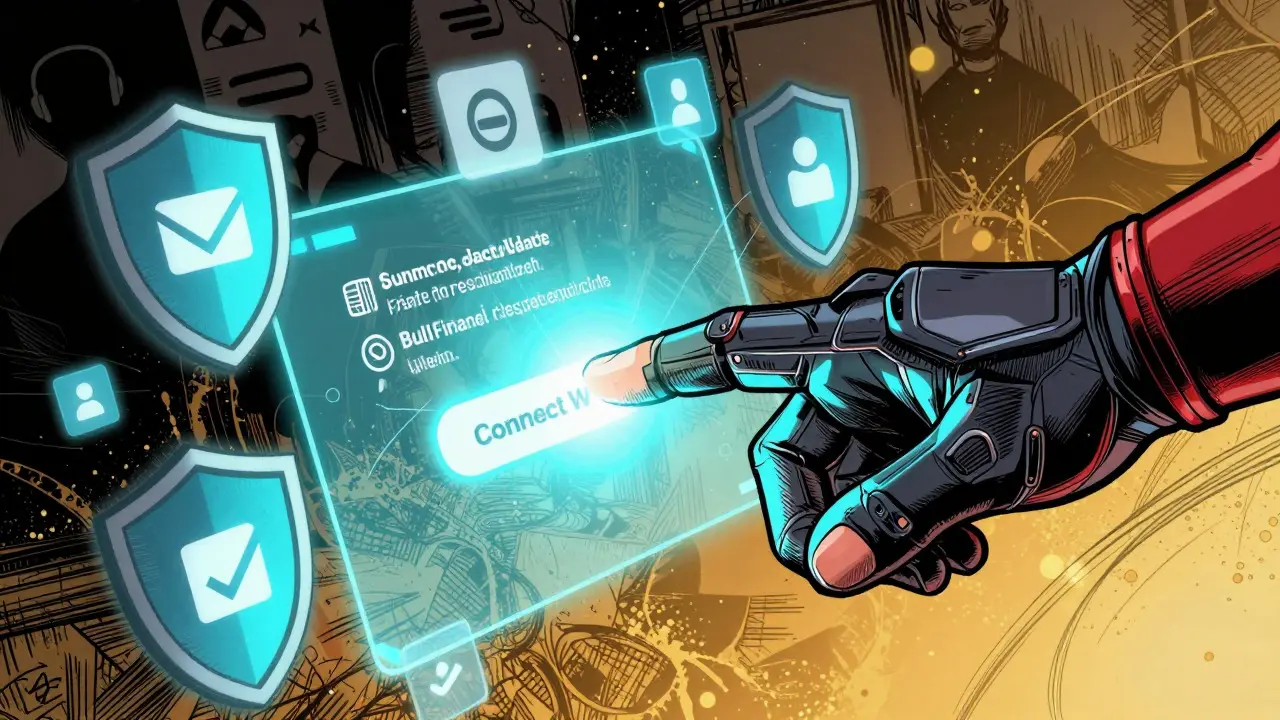
- Connect Your Wallet: Click the “Connect Wallet” button and approve the connection request in your wallet extension. This allows the site to read your public address and check your eligibility.
- Review Your Allocation: The dashboard will display how many BULL tokens you’ve earned. Take note of this number before proceeding.
- Execute the Claim Transaction: Click the “Claim” button. Confirm the transaction details in your wallet popup. Pay attention to the gas fee estimate.
- Wait for Confirmation: Once submitted, wait for the blockchain to confirm the transaction. This can take anywhere from a few seconds to several minutes depending on network congestion.
After confirmation, your BULL tokens should appear in your wallet. You can verify this by checking your token balances or adding the BULL contract address manually if it doesn’t show up automatically.
Tokenomics and Utility: What Can You Do With BULL?
Understanding the token’s utility is crucial for deciding whether to hold or sell. The BULL token serves several key functions within the Bull Finance ecosystem:
| Feature | Description | Benefit to Holder |
|---|---|---|
| Governance | Voting rights on protocol upgrades and parameter changes | Influence the future direction of the platform |
| Staking Rewards | Lock BULL tokens to earn additional yields | Passive income generation |
| Fee Discounts | Reduced trading or borrowing fees when paying with BULL | Lower costs for active traders |
| Liquidity Mining | Provide liquidity pairs involving BULL for extra incentives | Higher returns on idle capital |
The total supply of BULL tokens is fixed, which means scarcity can drive price appreciation over time if demand increases. Additionally, a portion of the tokens is often locked in vesting schedules to prevent immediate dumping by early investors. This structure supports long-term stability.
Common Pitfalls and How to Avoid Them
Airdrops can be lucrative, but they also come with risks. Here are some common mistakes users make and how to sidestep them:
- Phishing Scams: Never click links from unverified sources. Always navigate directly to the official website. Check the URL for subtle misspellings.
- Excessive Gas Fees: During high network traffic, gas fees can spike dramatically. Consider claiming during off-peak hours or using Layer 2 solutions if supported.
- Rushing to Sell: While it’s tempting to cash out immediately, consider the token’s utility. Selling all your tokens right after listing might result in missing out on future staking rewards or governance benefits.
- Ignoring Tax Implications: In many jurisdictions, airdropped tokens are considered taxable income upon receipt. Keep records of your claim date and the token’s value at that time.
Security is paramount. Enable two-factor authentication (2FA) on your exchange accounts and keep your private keys offline. Never share your seed phrase with anyone, no matter how convincing their story sounds.
Tax Implications of Crypto Airdrops
Many users overlook the tax side of airdrops, but it’s essential to stay compliant. In countries like the United States, Canada, and New Zealand, receiving an airdrop is generally treated as ordinary income. The fair market value of the tokens at the time of receipt is added to your taxable income.
When you later sell or trade those tokens, any gain or loss relative to the initial value is subject to capital gains tax. To simplify reporting, use crypto tax software that integrates with your wallet. These tools can automatically track your transactions and generate reports for tax filing.
If you’re unsure about your local regulations, consult a tax professional who specializes in cryptocurrency. Laws vary significantly by region, and staying informed can save you from unexpected penalties.
Future Roadmap and Community Updates
The Bull Finance team regularly updates its roadmap to reflect community feedback and market conditions. Key upcoming features might include:
- Launch of a mobile app for easier access
- Integration with additional blockchains for cross-chain functionality
- New lending markets and yield farming opportunities
- Enhanced governance tools for token holders
Staying engaged with the community is the best way to stay informed. Join the official Discord server, participate in town hall meetings, and follow announcements on Twitter. Active community members often receive early access to new features and exclusive rewards.
Is the Bull Finance airdrop still open?
The availability of the airdrop depends on the current phase of the project. Visit the official Bull Finance website to check if the claim window is still open. Some airdrops have strict deadlines, while others remain accessible for extended periods.
Do I need to pay taxes on my airdrop?
In most jurisdictions, yes. Airdropped tokens are typically taxed as income at their fair market value when received. Consult a local tax expert to understand your specific obligations.
Can I lose my tokens after claiming them?
Once claimed, tokens are in your control. However, you can lose them if you send them to the wrong address, fall victim to a scam, or lose access to your wallet. Always double-check addresses and secure your private keys.
What happens if I miss the claim deadline?
If you miss the deadline, your unclaimed tokens may be burned or redistributed to other participants. Check the official terms and conditions for specifics on unused allocations.
How do I verify if an airdrop is legitimate?
Always use official channels like the project’s verified Twitter account and website. Be wary of unsolicited DMs or emails asking for your private keys. Legitimate airdrops never ask for your seed phrase.
 Cryptocurrency Guides