
Crypto Regulations in 2025: Global Penalties, Mining Laws, and Market Sentiment
When it comes to crypto regulation, the set of laws and rules governments apply to cryptocurrency trading, mining, and exchanges. Also known as digital asset oversight, it's no longer optional—it's a survival requirement for anyone holding or trading crypto in 2025. From Thailand jailing non-compliant users to Norway blocking new mining farms to protect renewable energy, the rules changed fast. This isn’t about stopping crypto—it’s about controlling who gets to use it, where, and under what conditions.
Crypto penalties, fines, jail time, or platform bans handed out for breaking crypto laws. Also known as regulatory enforcement, it's becoming the new normal. Upbit in South Korea faced a $34 billion fine for ignoring KYC rules. Thailand made it clear: use an unlicensed exchange, and you could end up in jail. India slapped a 30% tax on every profit and 1% TDS on every trade. These aren’t warnings—they’re wake-up calls. Meanwhile, crypto mining legal, whether you’re allowed to run mining hardware and under what conditions. Also known as mining compliance, it’s a minefield. Norway wants to freeze new mining projects. The U.S. SEC clarified that miners must follow the Travel Rule. Even in places like China, where crypto is banned, 59 million people still trade using P2P apps and VPNs. The system isn’t broken—it’s adapting.
And it’s not just about rules. fear and greed index, a metric that shows whether crypto and stock investors are panicking or overconfident. Also known as market sentiment, it’s a quiet but powerful force. When everyone’s greedy, prices rise—but so does the risk. When fear hits, smart traders see opportunity. The posts in this archive don’t just list rules—they show how real people are reacting to them. You’ll find reviews of real exchanges like Coinroom and BitMEX, deep dives into scams like Bitsoda, and breakdowns of tokens with zero real use, like PSUB. You’ll learn how flash loans work, why gas fees spike, and how North Korea turns stolen Bitcoin into cash. This isn’t theory. It’s what’s happening right now—on the ground, in the markets, and behind closed doors.
Whether you’re in India, Nigeria, Cuba, or Norway, the same questions matter: Is your exchange safe? Are you breaking the law without knowing it? Are you trading based on emotion or data? The answers are here—in the real stories, the hard numbers, and the unfiltered reviews below.
Thailand enforces severe penalties for crypto non-compliance in 2025, including jail time, massive fines, and platform bans. Learn what happens if you use unlicensed exchanges or fail to comply with new rules.
The Fear and Greed Index measures investor emotion in crypto and stock markets, helping you spot when crowds are overreacting. Learn how to use it as a contrarian tool - not a trading signal.
Bitsoda is not a real crypto exchange - it's a scam. Learn how these fake platforms trick users, what red flags to watch for, and how to protect your crypto from 2025's most common fraud tactics.
RichQUACK (QUACK) is planning its own airdrop using 3% of its marketing wallet - not CoinMarketCap. Learn how to prepare, avoid scams, and understand the real value behind this meme token in 2025.
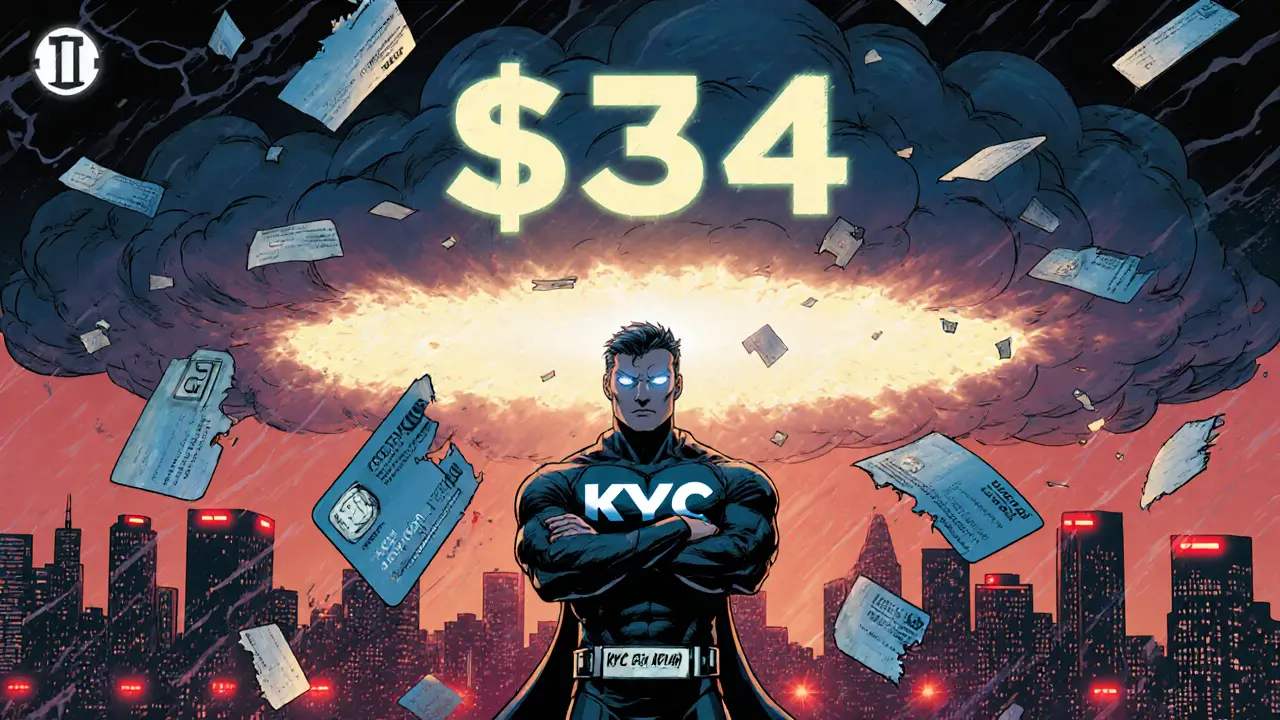
Upbit, South Korea's biggest crypto exchange, faced a $34 billion potential fine for failing to verify user identities. The case exposed systemic KYC failures and triggered a global crackdown on crypto compliance.
Crypto is not banned in India, but it's heavily taxed at 30% with 1% TDS on every trade. Learn the legal status, tax rules, and risks of trading crypto in India in 2025.
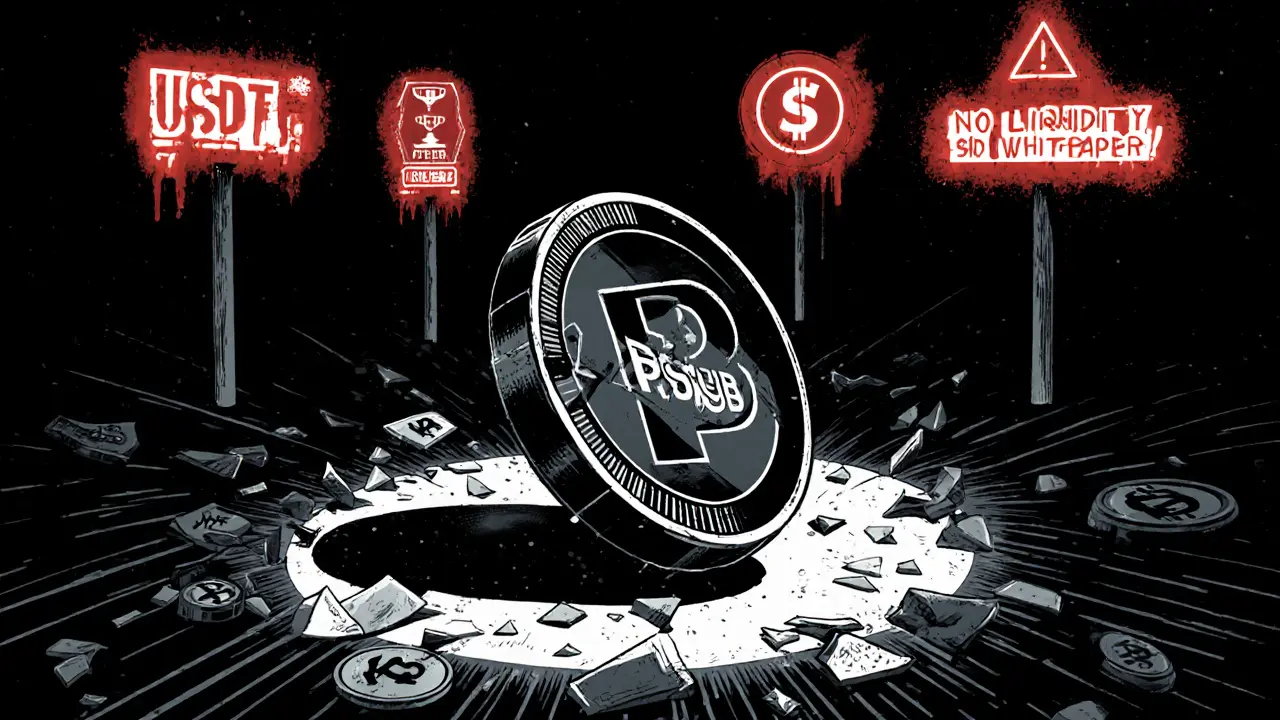
PSUB is a low-liquidity crypto token with no team, community, or real use case. Learn its price, supply, and why it's not worth investing in.
Despite a total ban since 2021, 59 million Chinese still trade crypto using VPNs, P2P apps, and stablecoins. Here's how they do it - and why the government can't stop them.
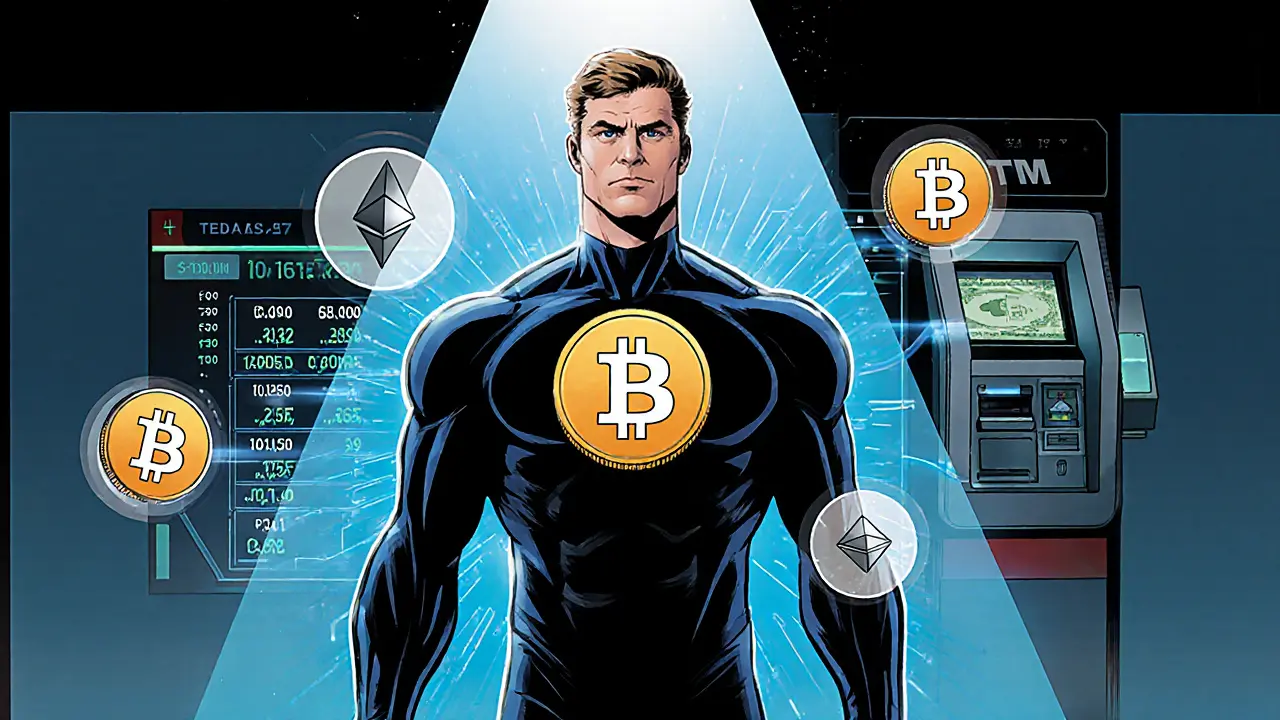
Coinroom is a transparent, Poland-based crypto exchange ideal for beginners and EU residents who want to buy Bitcoin and Ethereum with low fees and cash out via ATM. No hidden charges, no complexity.
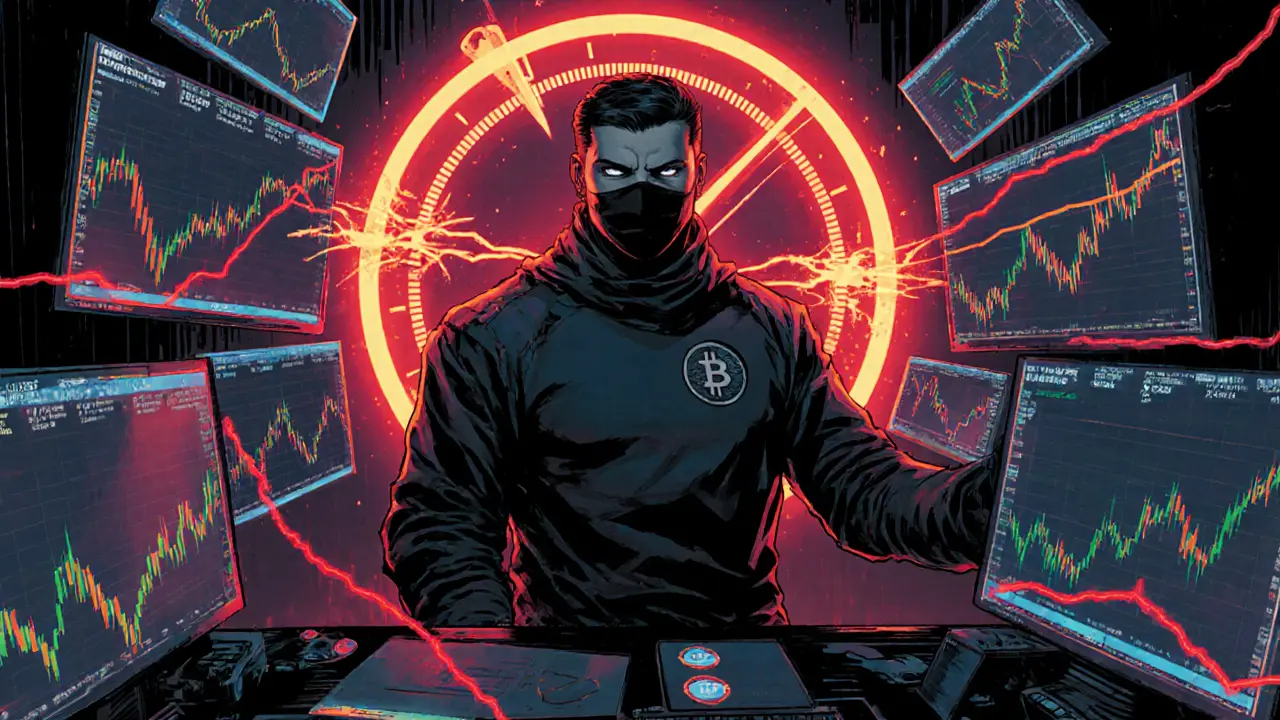
BitMEX is a high-leverage crypto derivatives exchange popular with professional traders outside the U.S. Known for its deep Bitcoin liquidity and 100x leverage, it's not for beginners. Learn its strengths, risks, and alternatives in this 2025 review.
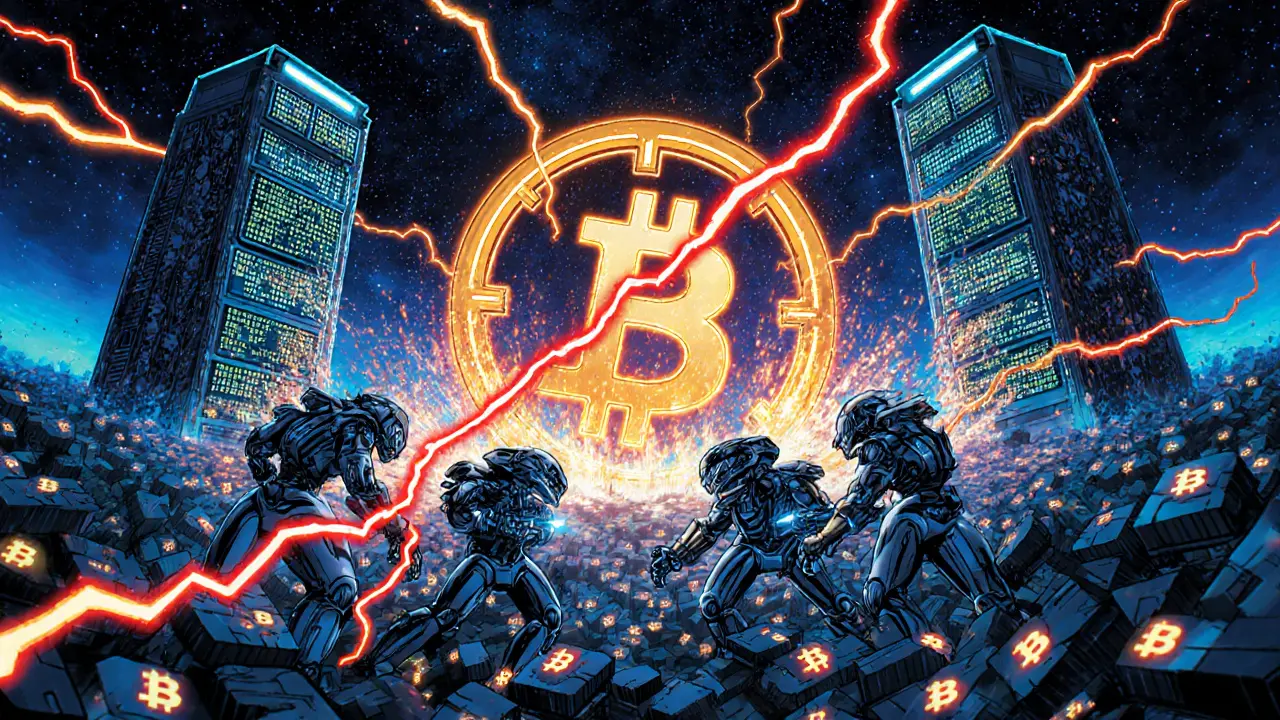
Bitcoin's mining difficulty automatically adjusts based on network hash rate to maintain a 10-minute block time. Higher hash rate means harder mining, lower hash rate means easier mining - a self-regulating system that ensures security and predictability.
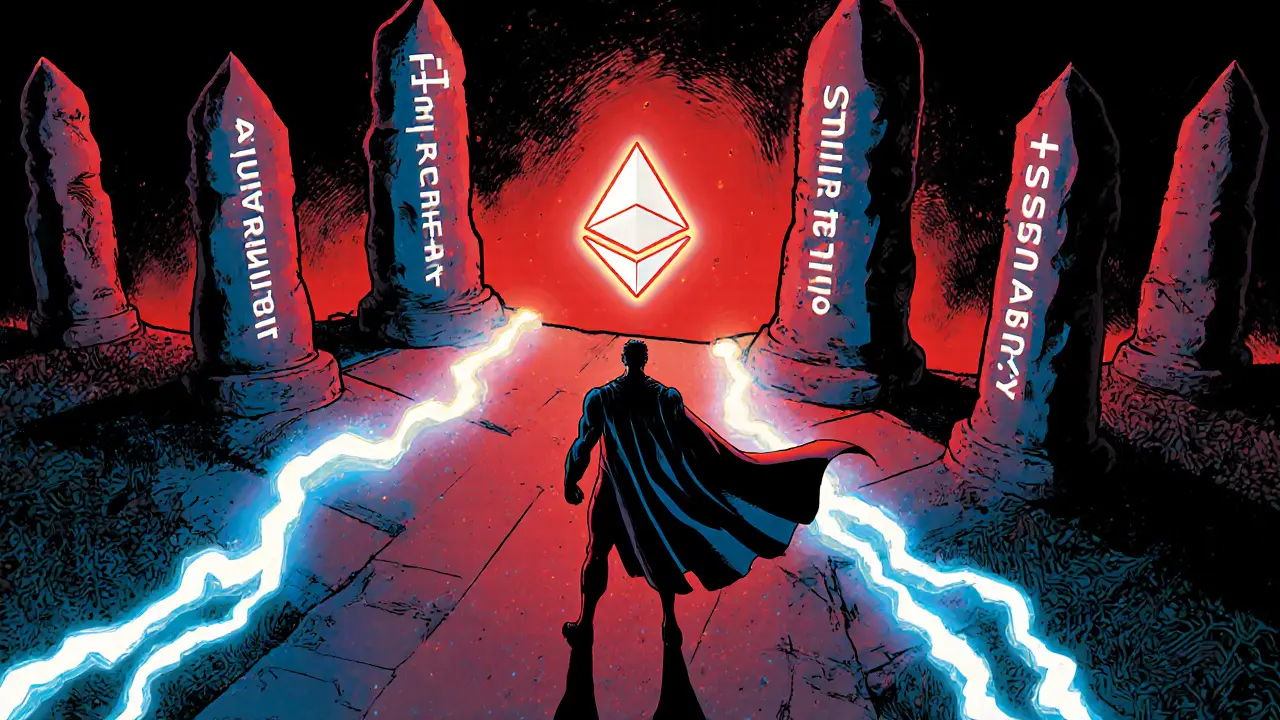
Fast finality in blockchain means near-instant transaction confirmation, but it comes with trade-offs between speed, security, and network reliability. Learn how different chains handle it-and what it means for your trades and DeFi positions.
 Cryptocurrency Guides