
Thailand Crypto Compliance Penalty Checker
Check Your Compliance Risk
Select your situation to see potential penalties
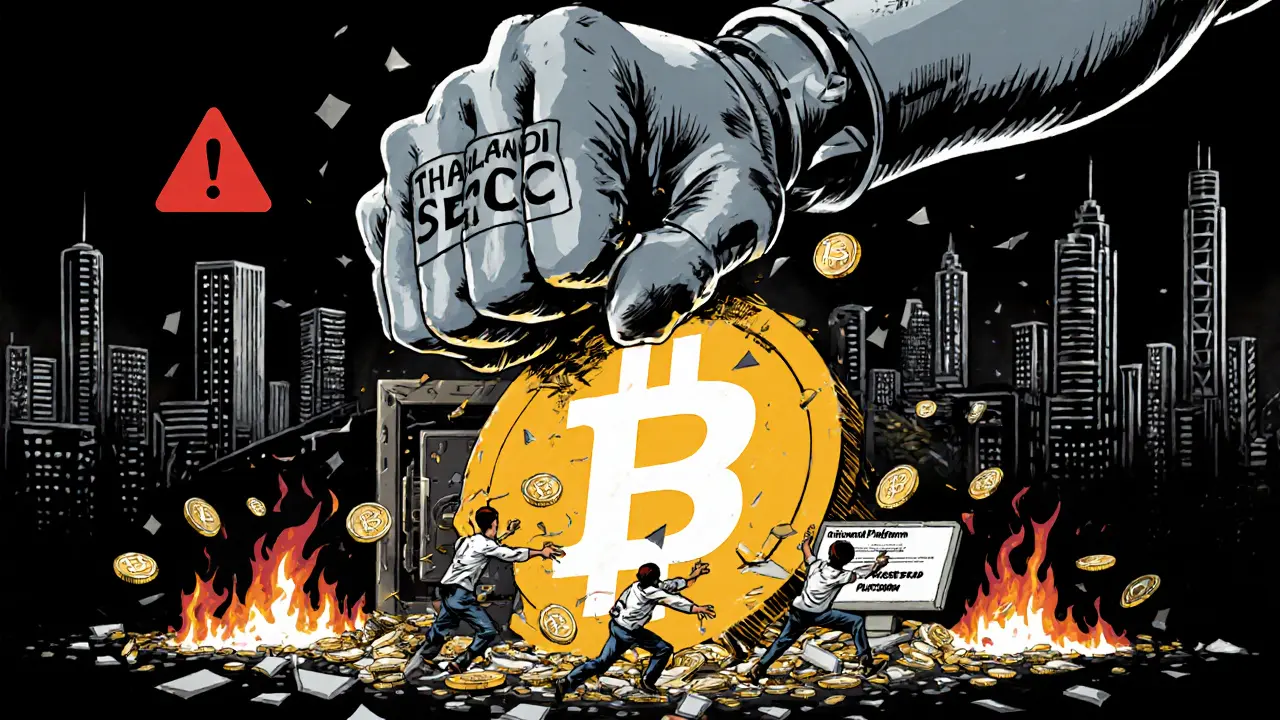
Thailand doesn’t mess around with crypto. If you’re running a crypto platform, trading on an unlicensed exchange, or even just holding funds in a wallet linked to a scam, the penalties in 2025 aren’t just steep-they’re life-altering.
What Happens If You Break the Rules?
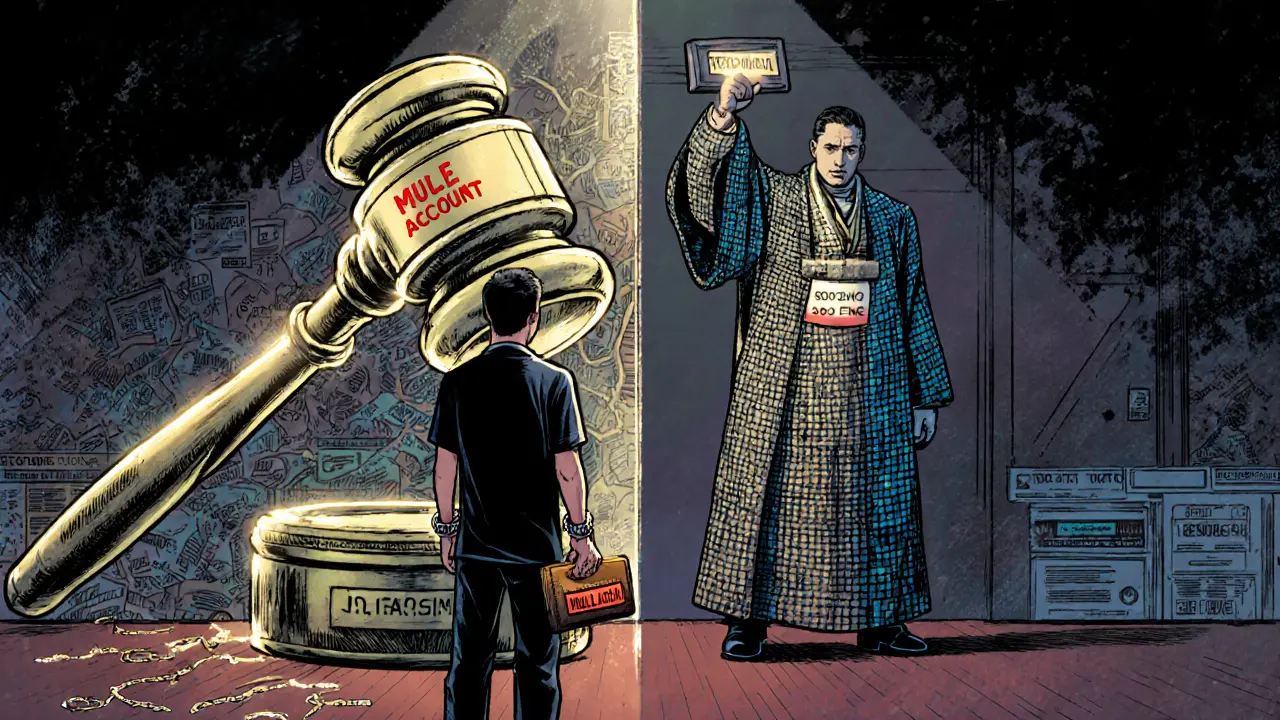
Under Thailand’s new Royal Decree on the Digital Asset Businesses (No. 2) B.E. 2568 (2025), which took effect on April 13, 2025, non-compliance isn’t a slap on the wrist. It’s a criminal offense. The Securities and Exchange Commission (SEC) of Thailand, backed by the Ministry of Digital Economy and Society (MDES) and the Bank of Thailand, now has powers that make even the strictest regulators elsewhere look lenient.For individuals caught using so-called "mule accounts"-crypto wallets or bank accounts knowingly used to receive stolen or scam funds-the punishment is jail time. Up to three years. Fines of up to THB 300,000 (around $8,400 USD). Or both. There’s no warning. No first-time offender exception. If law enforcement proves you knowingly participated in laundering funds, you go to prison.
And it’s not just users. Platform operators are on the hook too. Licensed exchanges must now monitor every transaction in real time. If a wallet linked to fraud appears on their system, they must freeze it. If a user reports being scammed, the platform must help refund the loss-even if the hack happened because the user clicked a phishing link. That’s right: platforms can be forced to pay back victims, even when they didn’t cause the problem. This joint liability model, borrowed from banking and telecom regulations, makes crypto platforms in Thailand more legally exposed than any other market in Southeast Asia.
Foreign Platforms Are Targeted First
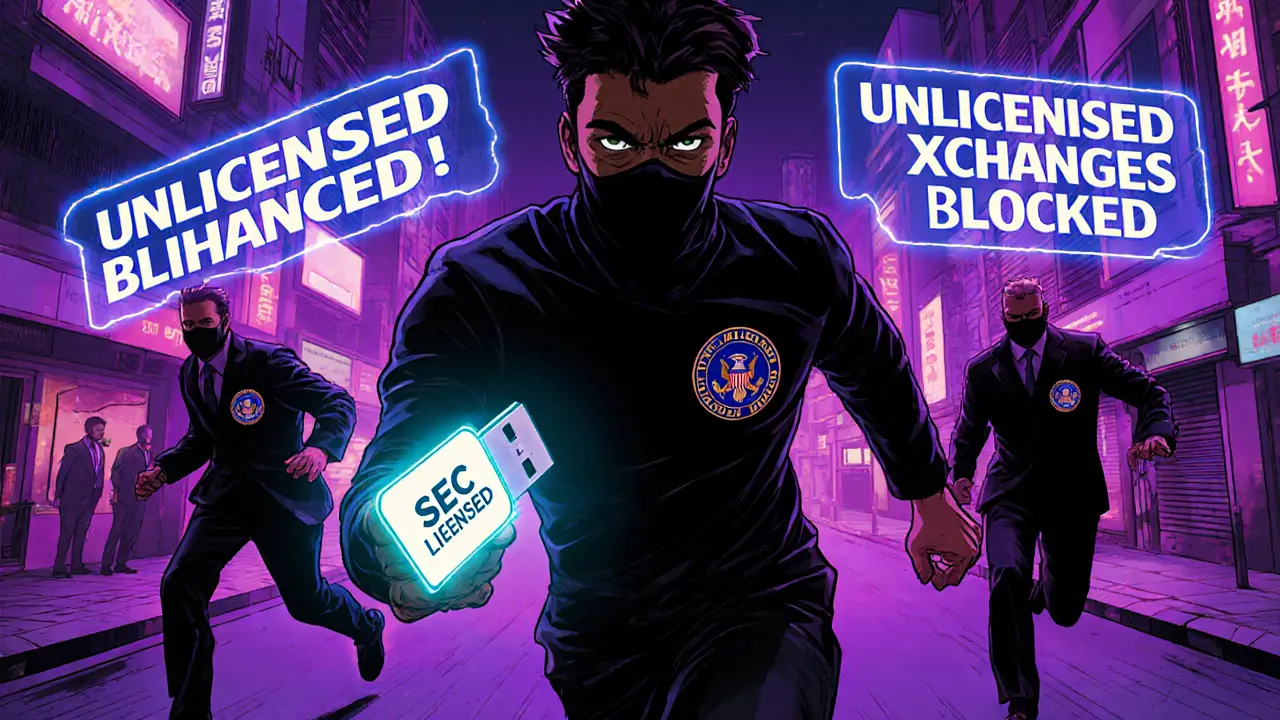
Thailand didn’t just tighten rules for local companies. It went after foreign platforms head-on. Starting January 2025, any crypto service targeting Thai users-whether it’s in Thai language, accepts Thai baht, or runs ads on Google Thailand-must become a Thai legal entity. That means registering a company in Thailand, hiring a Thai director, opening a local bank account, and integrating with the national Anti-Money Laundering (AML) system.On June 28, 2025, the SEC blocked access to five major foreign exchanges that refused to comply. Thai users lost instant access to their funds. The SEC warned them: move your assets to a licensed platform before the deadline, or risk losing them forever. Thousands scrambled. Many couldn’t withdraw in time. Their money is now frozen on platforms that no longer respond to Thai authorities.
There’s no gray area. If your platform has a Thai-language interface, accepts Thai payment methods, or uses Thai keywords in Google Ads, you’re legally considered to be operating in Thailand-even if your servers are in Singapore or the Cayman Islands. The SEC doesn’t need a court order to block you. MDES can shut you down with a single command.
What Licensed Platforms Must Do
There are only seven licensed crypto platforms left in Thailand as of June 2025, down from twelve at the start of the year. The rest quit. Why? Because compliance is brutal.Licensed exchanges must:
- Perform strict Know Your Customer (KYC) checks-no exceptions, no loopholes
- Monitor every transaction for suspicious patterns using FATF-approved algorithms
- Block any wallet address linked to known scams or criminal activity
- Report all flagged activity to the Anti-Money Laundering Office (AMLO)
- Refund victims of fraud, even if the scam originated outside the platform
- Keep all transaction records for at least five years
Fail on any of these, and your license gets revoked. Operators can be criminally prosecuted. Fines can reach millions of baht. Some platforms have already shut down because they couldn’t afford the legal and technical upgrades.
One Thai trader told a local news outlet: "I used to trade on Binance. Now I’m on a local exchange. My KYC took three weeks. Every withdrawal gets flagged. But at least I know my money’s safe. I’d rather wait than lose it all."
The Hidden Costs of Compliance
Getting licensed isn’t cheap. Foreign companies report spending between THB 500,000 and THB 2,000,000 ($14,000-$56,000 USD) just to hire Thai lawyers, set up local entities, and pass SEC audits. The process takes six to twelve months. Most startups can’t afford that.Even licensed platforms are struggling. The requirement to refund fraud victims-even when they’re not at fault-has forced some to raise trading fees to cover potential losses. Others have stopped offering certain tokens altogether. The result? Fewer choices. Higher costs. Less competition.
And then there’s the tax angle. From January 1, 2025, to December 31, 2029, individuals who trade on licensed exchanges get a full five-year exemption on capital gains tax. That’s a huge incentive to stay compliant. But after 2029? No one knows. The government hasn’t said. That uncertainty is making long-term planning impossible for traders.
Stablecoins? Only Under Strict Rules
In March 2025, the SEC gave limited approval to USDT and USDC-two of the world’s biggest stablecoins-but only for specific uses. You can’t use them to pay for coffee, rent, or online shopping. You can’t trade them on unlicensed platforms. You can’t even hold them in a non-licensed wallet if you’re a Thai resident.These stablecoins are treated like regulated assets, not currencies. Their use is restricted to licensed exchanges and approved financial products. Even then, platforms must monitor every transaction linked to them. That’s why adoption is slow. Most Thai users still prefer Bitcoin or Ethereum on licensed platforms, where the rules are clearer.
What’s Next for Thailand’s Crypto Market?
The SEC has made it clear: this isn’t a temporary crackdown. It’s the new normal. By late 2026, analysts expect all unlicensed crypto activity to vanish from Thailand. The market will be small-only seven or eight platforms-but it will be clean.Some experts warn this could stifle innovation. The high costs and unlimited liability may scare off startups. Others say it’s the only way to protect ordinary people. In 2024, Thailand saw over 1,200 crypto fraud cases. In 2025, that number dropped by 68%-just months after the new rules kicked in.
Trading volumes on licensed platforms rose 23% in the first half of 2025. People aren’t leaving crypto. They’re just leaving the wild west.
What Should You Do?
If you’re a Thai resident: only use SEC-licensed platforms. Check the official SEC website for the current list. Don’t trust Telegram groups, YouTube ads, or "guaranteed returns"-those are red flags. If you’re holding crypto on an unlicensed platform, move it now. Once it’s blocked, recovery is nearly impossible.If you’re a foreign operator: don’t assume you’re safe because your company is overseas. If you market to Thai users, you’re in scope. Hire a Thai legal team. Budget for localization. Expect to spend six figures and two years just to get started. There’s no shortcut.
Thailand’s message is simple: if you want to play in this market, you play by our rules. No exceptions. No mercy. The penalties aren’t designed to scare people away-they’re designed to make crime unprofitable.
And so far, it’s working.
What happens if I hold crypto on an unlicensed exchange in Thailand?
If the exchange is blocked by the SEC, you may lose access to your funds permanently. Thai authorities have no legal authority to force foreign platforms to return your money. After the June 28, 2025 deadline, users who didn’t move their assets to licensed platforms faced irreversible loss. Always verify your exchange is on the official SEC licensed list.
Can I use Binance or Coinbase in Thailand?
No, not directly. Both Binance and Coinbase are not licensed by the Thai SEC. While you may still access them from Thailand, doing so violates local law. The SEC has already blocked access to five unlicensed platforms, including major international names. Using them puts your funds at risk and may trigger scrutiny from authorities.
Are crypto taxes waived in Thailand?
Yes-but only temporarily. From January 1, 2025, to December 31, 2029, individuals who trade on SEC-licensed exchanges are exempt from capital gains tax. This incentive is meant to encourage compliance. After 2029, the tax exemption will expire, and new rules may apply. There’s no guarantee taxes will remain zero.
Can I be jailed for using a crypto scam wallet?
Yes. If you knowingly use a wallet that receives stolen funds-called a "mule account"-you can be charged under the Royal Decree on Measures to Prevent and Suppress Technology Crimes. Penalties include up to three years in prison and fines of up to THB 300,000. Ignorance is not a defense if authorities prove you were aware of the suspicious activity.
Is it safe to trade crypto in Thailand now?
Yes-if you use an SEC-licensed platform. These exchanges now have stronger fraud protection, mandatory KYC, and real-time monitoring. While transactions may be slower and KYC more invasive, your funds are far less likely to be stolen or frozen. Unlicensed platforms are risky and illegal. Stick to the official list.
Why are so many crypto platforms leaving Thailand?
The compliance costs are too high. Foreign platforms must establish legal entities, hire Thai directors, open local bank accounts, and integrate with national AML systems. Many can’t afford the $50,000+ in legal fees or the unlimited liability for fraud refunds. Between January and June 2025, five out of twelve licensed platforms shut down or exited the market.
Can I use stablecoins like USDT to pay for goods in Thailand?
No. Even though USDT and USDC are approved for limited use on licensed exchanges, Thai law still prohibits cryptocurrencies as payment methods. You cannot use them to buy food, rent, or services. The Bank of Thailand maintains a strict ban on crypto payments, even for approved stablecoins.
How do I check if a crypto platform is licensed in Thailand?
Visit the official website of the Securities and Exchange Commission (SEC) of Thailand. They publish and regularly update the list of licensed digital asset businesses. Never rely on third-party lists, social media, or app store descriptions. Only the SEC’s official list is legally valid.
 Cryptocurrency Guides
Ankit Varshney
December 1, 2025 AT 18:10Thailand’s approach is brutal but necessary. I’ve seen too many friends lose life savings to crypto scams in India. At least now, people have a chance to actually protect themselves.
Bhoomika Agarwal
December 3, 2025 AT 11:05So now we’re turning Thailand into the Singapore of crypto fascism? Cute. They’re not protecting people-they’re protecting their own banks from disruption. Classic.
Ann Ellsworth
December 3, 2025 AT 18:58Let’s be clear: this is the first time a jurisdiction has operationalized the concept of *duty of care* in DeFi. The joint liability model is a paradigm shift-borrowed from banking’s fiduciary obligations, yes, but applied with surgical precision to crypto’s anarchic architecture. It’s not overreach; it’s evolutionary.
The 68% drop in fraud cases isn’t anecdotal-it’s statistically significant. The SEC didn’t just regulate; they redefined market incentives. Platforms now internalize the externalities of user negligence. That’s not tyranny-it’s economic engineering.
And yes, the compliance costs are brutal. But that’s the point. The barrier to entry isn’t meant to be low. It’s meant to filter out the predatory actors who treat crypto like a casino with no bouncers.
Stablecoin restrictions? Of course. If you’re going to treat USDT as a quasi-currency, you need monetary sovereignty. Thailand isn’t banning innovation-they’re demanding maturity.
And the tax exemption? A brilliant temporary nudge. Five years to migrate, adapt, and stabilize. After that? The market will have earned its regulatory legitimacy. No handouts. Just accountability.
Foreign platforms whining about legal entities? Get a lawyer. Stop pretending you’re a global utopia when you’re just avoiding liability. If you want Thai users, you owe Thai law.
It’s not perfect. But it’s the only framework I’ve seen that doesn’t treat retail investors as collateral damage.
Nora Colombie
December 4, 2025 AT 12:01Of course Thailand is doing this. America’s too soft. We let people get scammed and then cry about it on Reddit. Meanwhile, Thailand just locks up the criminals and moves on. Respect.
Greer Dauphin
December 5, 2025 AT 04:26so like… if i click a phishing link and get hacked, the exchange has to pay me back? 😅 that’s wild. kinda feels like the exchange is now my crypto babysitter… but honestly? i’d take it. my last ‘decentralized’ wallet vanished faster than my will to live after a crypto meetup.
Katherine Alva
December 6, 2025 AT 21:19It’s funny how people call this heavy-handed… but when you’ve seen someone lose their life savings because they trusted a Telegram group promising 500% APY, you realize maybe some walls are necessary. 🤍
Mark Stoehr
December 8, 2025 AT 18:22thailand is just jealous they cant control bitcoin. they want to turn crypto into a state bank. lol. next theyll make you get a permit to hold eth.
Christy Whitaker
December 10, 2025 AT 03:21Of course you’re all acting like this is noble. But let’s be honest-this is just another way to crush innovation so the state can control every transaction. You think this protects people? It just turns them into compliant sheep. And you’re proud of that?
Melinda Kiss
December 11, 2025 AT 19:56Hey, I know it sounds harsh-but I’ve talked to so many Thai traders who were terrified to even touch crypto before this. Now they’re finally sleeping at night. The KYC is annoying, sure. But I’d rather wait 3 weeks to withdraw than wake up to a $0 balance. This isn’t oppression-it’s peace of mind.
And honestly? The refund policy? It’s the first time I’ve seen a crypto system say, ‘We’re responsible for your safety, even if you messed up.’ That’s not weakness. That’s integrity.
Yeah, it’s expensive for platforms. But if you’re building something that touches real people’s lives, shouldn’t you be held accountable? I’d rather pay higher fees than live in a world where scammers win.
And the stablecoin rules? They’re not banning them-they’re making sure they’re used like financial tools, not magic money spells. That’s smart.
I used to think crypto was about freedom. Now I think it’s about responsibility. And Thailand? They’re finally getting it right.
Shari Heglin
December 13, 2025 AT 14:08One might argue that the 68% reduction in fraud cases is a function of decreased participation rather than improved security. The data does not conclusively demonstrate efficacy-only contraction. One must remain skeptical of policy outcomes measured solely by volume decline.
Reggie Herbert
December 15, 2025 AT 07:22They call it compliance. I call it corporate surrender. If you need $200K and a Thai director just to trade BTC, you’re not building a market-you’re building a bureaucracy. And bureaucracy kills innovation. Plain and simple.
Alan Brandon Rivera León
December 16, 2025 AT 08:49Look, I get why people are mad. But I’ve been to Bangkok. I’ve seen the scams. I’ve met people who lost everything to fake apps. This isn’t about control-it’s about survival. Thailand didn’t invent crypto. But they’re trying to stop it from eating their own.
And honestly? The fact that they’re forcing foreign platforms to play by their rules? That’s the only way this works. You can’t have a global market with no borders and then act surprised when people get ripped off.
It’s messy. It’s expensive. But it’s real. And for once, someone’s putting people before profit.
Reggie Herbert
December 18, 2025 AT 05:54So now you need a lawyer just to hold crypto? That’s not regulation. That’s extortion disguised as protection.
Ankit Varshney
December 19, 2025 AT 04:38Maybe. But when your neighbor gets jailed for laundering scam money because they didn’t check the wallet address, you start to wonder if the price is worth it.