

Getting a cryptocurrency exchange license in Pakistan is no longer a myth, but it is definitely not a walk in the park. If you are an international firm looking to enter the Pakistani market in 2026, you need to navigate a brand-new regulatory landscape that only opened its doors in July 2025. The game has changed with the introduction of the Pakistan Virtual Asset Regulatory Authority, also known as PVARA. This independent federal regulator was created under the Virtual Assets Ordinance 2025 to oversee virtual assets, marking a massive shift from the country's previous restrictive stance.
However, before you start packing your bags for Islamabad, there is a catch. The path to compliance is narrow, strict, and heavily focused on international credibility. You cannot just register a local company and start trading. The system is designed to let in only the most established players while keeping out fly-by-night operations. Here is exactly what you need to know about the requirements, the process, and the confusing legal contradictions that still exist.
The Gatekeeper: Understanding PVARA Eligibility
The first hurdle is eligibility, and it is high. PVARA does not accept applications from startups or unproven entities. To even submit an Expression of Interest (EoI), your firm must already be licensed by a recognized international regulator. This is a crucial filter. The authority wants firms that have already passed rigorous checks elsewhere.
You must hold a valid license from one of the following jurisdictions:
- US Securities and Exchange Commission (SEC)
- UK Financial Conduct Authority (FCA)
- European Union’s VASP framework regulators
- United Arab Emirates' Virtual Assets Regulatory Authority (VARA)
- Monetary Authority of Singapore (MAS)
If your company is only registered in a jurisdiction without these stringent standards, your application will likely be rejected at the door. This requirement ensures that Pakistan aligns with global compliance frameworks set by the Financial Action Task Force (FATF), the International Monetary Fund (IMF), and the World Bank. It is a strategy to attract legitimate global businesses while preventing illicit activities.
What You Need to Submit: The EoI Documentation
Once you confirm your eligibility, you move to the documentation phase. The process begins with submitting an Expression of Interest (EoI). This is not a simple form; it is a comprehensive dossier that proves your operational maturity. All documents must be compiled into a single PDF file and sent to PVARA’s designated email address. The subject line must strictly follow the format: 'EoI VASP Licensing [Company Name]'.
Your submission must include the following specific details:
- Complete Company Profile: Detailed history, ownership structure, and key personnel backgrounds.
- Existing Licenses: Copies of all current regulatory licenses, including the issuing jurisdictions and authorities.
- Service Offerings: A clear breakdown of services such as spot trading, derivatives, custody solutions, and payment processing.
- Technology and Security Standards: Technical architecture diagrams, cybersecurity protocols, and disaster recovery plans.
- Financial Data: Assets under management (AUM) figures, revenue data, and proof of financial stability.
- Compliance Track Record: Evidence of adherence to Anti-Money Laundering (AML), Combating the Financing of Terrorism (CFT), and Know Your Customer (KYC) standards.
- Pakistan-Specific Business Model: How you plan to operate locally, including user acquisition strategies and local partnerships.
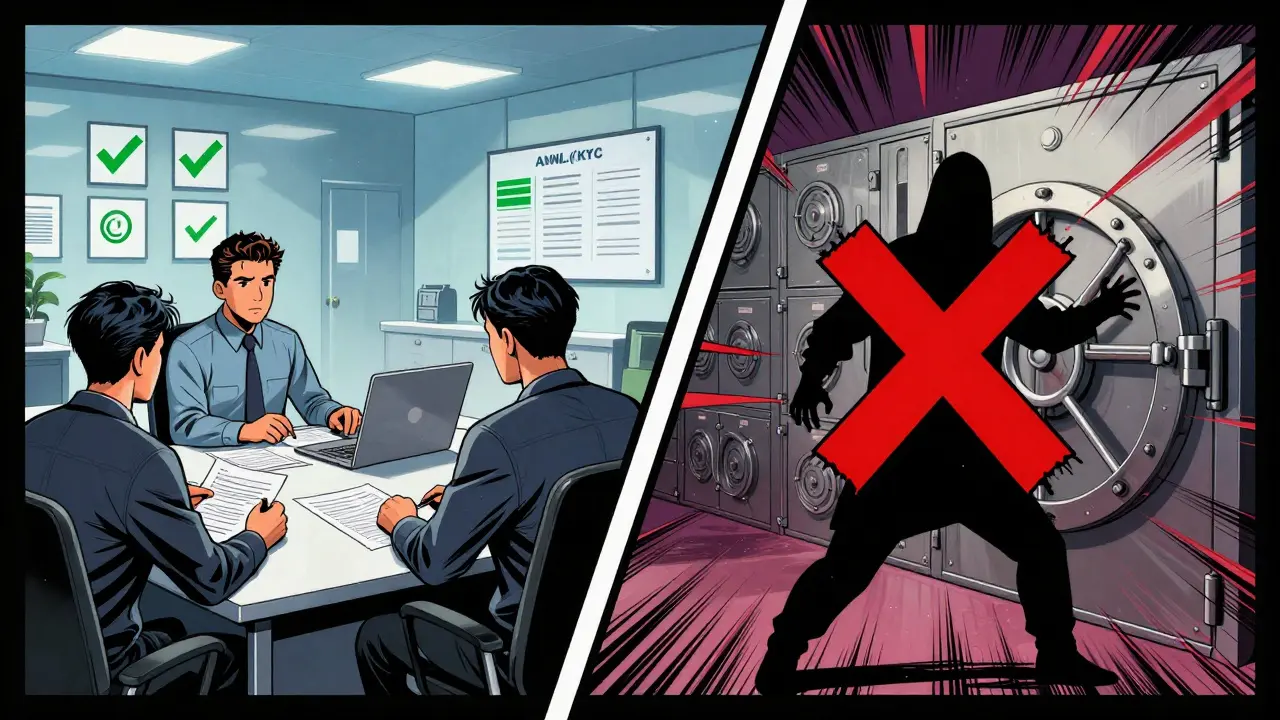
Every piece of information is scrutinized. PVARA is looking for red flags related to money laundering or terrorist financing. Given Pakistan’s past issues with FATF grey-listing, the regulator is exceptionally cautious. Your KYC and AML frameworks must be robust and auditable.
The Timeline and Processing Method
How long does this take? According to Finance Ministry officials, the complete licensing process requires at least three additional months after the initial submission before licenses are officially issued. This timeline reflects a priority on thorough due diligence over rapid market entry.
Applications are processed on a rolling basis rather than in batches. This means there is no fixed deadline for submissions, but each application is evaluated individually as it comes in. This approach allows PVARA to manage its workload efficiently and provides flexibility for applicants who may need more time to prepare their documents. However, do not expect instant approval. The three-month minimum is a baseline, and complex cases may take longer if PVARA requests additional information or clarification.
The Legal Paradox: PVARA vs. State Bank of Pakistan
Here is where things get tricky. While PVARA is actively inviting global exchanges to enter the market, the State Bank of Pakistan (SBP) maintains that cryptocurrency remains illegal under current banking laws. This creates a significant legal grey area. The SBP continues to prohibit financial institutions from dealing in digital currencies, and cryptocurrencies are not recognized as legal tender in Pakistan.
This contradiction has been described by analysts as paradoxical. On one hand, the government, through PVARA and the Pakistan Crypto Council (PCC), is promoting adoption and building infrastructure. On the other hand, the central bank restricts traditional banks from interacting with crypto businesses. For operators, this means you can get a license from PVARA, but you might struggle to open corporate bank accounts or integrate with local fiat payment rails easily.
In September 2025, a Senate standing committee recommended transferring the Pakistan Crypto Council from the Ministry of Finance to the Ministry of Information Technology to better align digital assets with the IT sector’s mandate. Additionally, Senate committees have proposed amendments to the virtual assets bill to clarify these contradictions. Until these legislative changes are finalized, operators must navigate this dual reality carefully.
Strategic Context: Mining, Reserves, and IMF Pushback
The regulatory initiative did not happen in a vacuum. It emerged from broader announcements made at the Bitcoin Vegas 2025 conference. The Pakistan Crypto Council announced plans for a government-backed Strategic Bitcoin Reserve and allocated 2,000 MW of electricity for Bitcoin mining and AI data centers. This ambitious plan aimed to position Pakistan as a major player in the global crypto energy market.
However, the International Monetary Fund (IMF) raised significant objections to the mining proposal. The IMF cited concerns over subsidized electricity tariffs, fiscal risks, and the strain on the national electrical grid. Reports from early July 2025 indicated that the IMF initially rejected the proposal, though consultations continued. As of mid-2026, the mining plan remains unfinalized, adding another layer of uncertainty to the broader crypto ecosystem in Pakistan.
Despite this, the licensing framework for exchanges proceeds independently. PVARA’s focus is on regulating service providers, not necessarily endorsing the state’s mining ambitions. This separation allows the licensing process to continue even as the mining debate rages on.

Islamic Finance and Regulatory Sandboxes
One unique aspect of Pakistan’s regulatory approach is its attention to Islamic finance. PVARA has introduced regulatory sandboxes specifically designed to accommodate Shariah-compliant crypto products. This is a strategic move given Pakistan’s significant Muslim population. By creating a framework for Halal-compliant digital assets, Pakistan aims to become a hub for Islamic digital finance.
If your exchange offers Shariah-compliant tokens or investment products, this sandbox could provide a competitive advantage. You can test these products in a controlled environment with regulatory oversight, ensuring they meet both technical and religious compliance standards. This feature distinguishes Pakistan from many other emerging markets that lack such specialized provisions.
Comparison Table: Key Regulatory Bodies and Roles
| Entity | Role | Stance on Crypto | Key Responsibility |
|---|---|---|---|
| PVARA | Federal Regulator | Pro-adoption (with strict compliance) | Licensing VASPs, enforcing AML/KYC |
| State Bank of Pakistan | Central Bank | Restrictive | Prohibits banks from dealing in crypto |
| Pakistan Crypto Council | Policy Advisor | Pro-innovation | Strategic planning, mining initiatives |
| Senate Standing Committee | Legislative Oversight | Clarifying | Proposing amendments to resolve contradictions |
Next Steps for Operators
If you are serious about entering the Pakistani market, start by auditing your existing licenses. Ensure they are from the approved list of jurisdictions. Then, compile your documentation meticulously. Do not cut corners on the AML and KYC sections; this is where most applications fail. Engage with local legal counsel who understand the nuances of the Virtual Assets Ordinance 2025. Finally, be prepared for a slow process. The three-month timeline is a minimum, and navigating the bureaucratic landscape between PVARA and the SBP will require patience and persistence.
The opportunity is real, but so are the risks. Success depends on your ability to comply with international standards while adapting to a local environment that is still finding its footing. Keep an eye on Senate amendments and IMF negotiations, as these could significantly alter the operating conditions in the coming months.
Who can apply for a crypto exchange license in Pakistan?
Only firms already licensed by recognized international regulators such as the US SEC, UK FCA, EU VASP frameworks, UAE VARA, or Singapore MAS can apply. New or unlicensed startups are not eligible.
How long does the PVARA licensing process take?
The process takes at least three months from the submission of the Expression of Interest (EoI). Applications are processed on a rolling basis, and complex cases may take longer.
Is cryptocurrency legal in Pakistan?
It is complicated. PVARA regulates and licenses crypto exchanges, but the State Bank of Pakistan considers crypto illegal for banking transactions. Cryptocurrencies are not legal tender, creating a legal grey area.
What documents are required for the EoI submission?
You need a company profile, existing international licenses, service descriptions, technology/security standards, financial data (AUM/revenue), compliance track records (AML/KYC), and a Pakistan-specific business model. All must be in a single PDF.
Does Pakistan support Shariah-compliant crypto products?
Yes, PVARA has established regulatory sandboxes specifically for testing and launching Shariah-compliant digital asset products, catering to the country's Muslim population.
What is the role of the IMF in Pakistan's crypto regulation?
The IMF has objected to some government crypto initiatives, particularly large-scale Bitcoin mining projects, citing fiscal risks and grid strain. However, it supports the alignment of PVARA's licensing framework with international anti-money laundering standards.
 Cryptocurrency Guides