
Running a cryptocurrency exchange in Taiwan is no longer a gray area. The Financial Supervisory Commission (FSC) has moved from watching the sidelines to actively policing the field. If you are planning to launch or operate a platform here, the days of flying under the radar are over. The regulator treats crypto as a virtual commodity, not legal tender, but that distinction doesn't mean it's unregulated. In fact, the rules are getting stricter, faster.
The landscape shifted dramatically between 2023 and 2024. After the global shockwaves from the FTX collapse and local fraud cases, the FSC tightened its grip. Now, every Virtual Asset Service Provider (VASP)-which includes exchanges-must register for Anti-Money Laundering (AML) purposes before they can even think about opening their doors. This isn't just paperwork; it's a hard gatekeeper. Fail to comply, and you face severe penalties, including custodial sentences.
The Core Requirement: AML Registration for VASPs
The single most important step for any exchange operating in Taiwan is completing the mandatory Anti-Money Laundering Registration with the FSC. This requirement was solidified through new measures passed in July 2024. It applies to both domestic entities and foreign companies serving Taiwanese customers. You cannot operate legally without this stamp of approval.
This registration is part of a broader push to combat financial crime. Four new anti-fraud laws were passed by the Legislative Yuan, specifically targeting virtual assets. These laws mandate that VASPs implement robust know-your-customer (KYC) and transaction monitoring systems. The Ministry of Justice backs these measures, meaning non-compliance isn't just a regulatory headache-it's a criminal issue. The FSC wants clean money on your books, period.
- Mandatory Registration: All VASPs must register with the FSC under the AML Act.
- Scope: Applies to exchanges, brokers, and wallet providers serving users in Taiwan.
- Penalties: Includes heavy fines and potential imprisonment for executives who ignore AML duties.
- Timeline: Compliance is immediate for new entrants; existing players had grace periods that have largely expired.
Operational Guidelines: The Eight Pillars of Compliance
Registration is just the entry ticket. To actually run the business, you need to follow the Guidelines for Virtual Asset Service Providers introduced in September 2023. While these guidelines technically lack "hard law" status, industry insiders treat them as mandatory because the FSC signals it will enforce them progressively. Ignoring them is a fast track to losing your license or facing public sanctions.
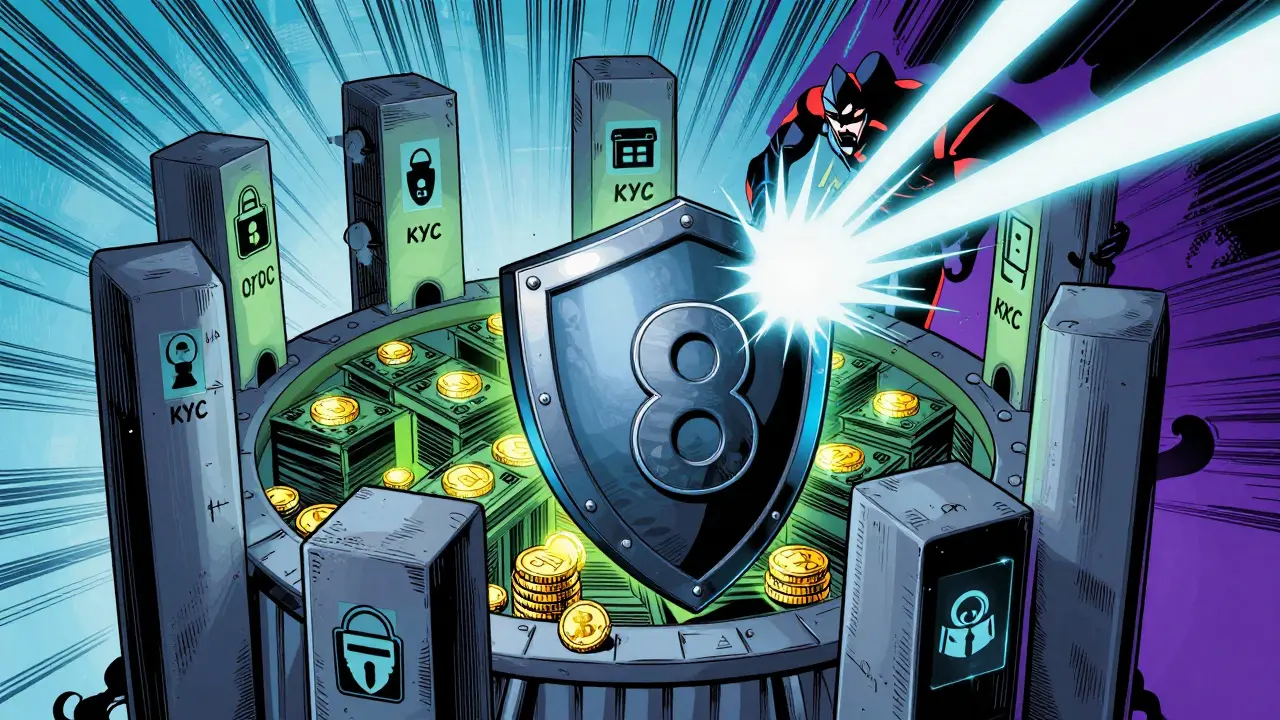
These guidelines cover eight critical areas. First, issuer responsibilities require you to publish a detailed "whitepaper" on your website if you list new tokens. Second, you must review virtual asset launches rigorously. Third, and perhaps most importantly, you must segregate customer assets from your own operational funds. This rule exists to prevent another FTX-style insolvency where customer money disappears into risky bets.
You also need fair and transparent trading conduct. No hidden fees, no market manipulation. Your management systems must include top-tier cybersecurity, covering both hot wallets (online) and cold wallets (offline). Public disclosure obligations mean you can't hide bad news. Internal controls and audits are required, and there are specific provisions for VASPs operating from outside Taiwan but serving locals. Essentially, the FSC wants institutional-grade security and transparency from day one.
Security Tokens vs. Spot Crypto: Different Rules
Not all digital assets are treated equally. The FSC draws a sharp line between standard cryptocurrencies like Bitcoin and Ethereum, and Security Tokens. If an asset qualifies as a security token, it falls under the Securities and Exchange Act. This means only licensed securities dealers can trade them. For regular exchanges, this creates a high barrier to entry. You can't just list any token that claims to be a utility token if it looks like a security.
The Taipei Exchange (TPEx) has been authorized to handle STO regulations. However, the threshold is so high that participation remains tiny. As of late 2024, there was only one officially approved security token issuance program in Taiwan. For most exchanges, this means focusing on spot trading of major cryptocurrencies while steering clear of complex token structures that might trigger securities laws. Misclassification here leads to immediate shutdowns.
| Asset Type | Regulatory Body | Key Requirement | Market Access |
|---|---|---|---|
| Spot Cryptocurrencies (BTC, ETH) | FSC / VASP Guidelines | AML Registration & Asset Segregation | Open to registered VASPs |
| Security Tokens (STOs) | FSC / Taipei Exchange (TPEx) | Licensed Securities Dealer Status | Extremely Limited (1 approved program) |
| Crypto ETFs | FSC / Securities Business Association | Professional Investor Only | Restricted to qualified institutions |
Institutional Entry: The ETF Pathway
If you are looking at the institutional side, the FSC has opened a narrow door. Working with the Securities Business Association of the Republic of China, they established five key points allowing professional investors to access foreign virtual asset exchange-traded funds (ETFs). This is a big deal for traditional finance entering the space, but it’s not for retail traders yet.
This move shows the FSC’s strategy: integrate crypto into the traditional system carefully. They watched the US SEC approve spot Bitcoin ETFs in January 2024 and then crafted their own version. But note the restriction: only professional investors. Retail users still can’t buy these ETFs directly through standard brokerage accounts. For exchanges, this means opportunities to partner with banks and wealth managers, but not to offer direct retail ETF products.
Future Outlook: The Virtual Asset Management Bill
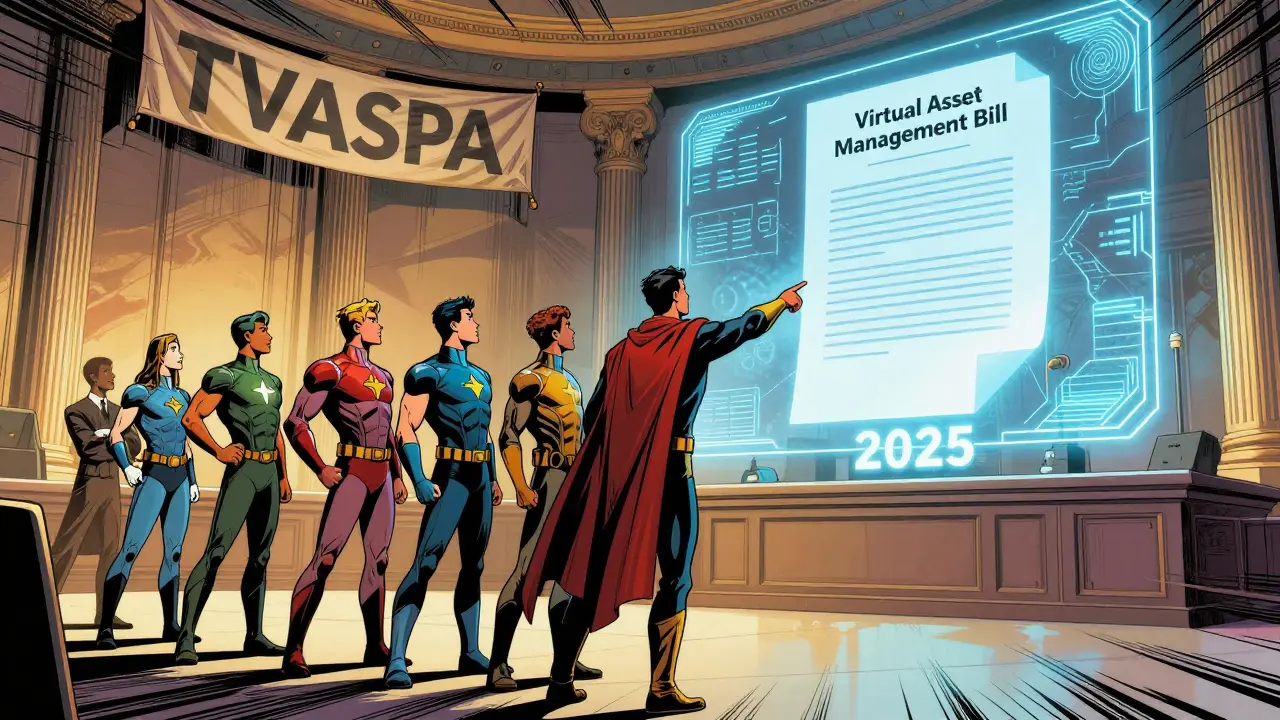
The current framework is evolving. The FSC is working on a comprehensive Virtual Asset Management Bill. A feasibility study report was expected around the end of 2024, with draft legislation anticipated in mid-2025. This bill aims to provide clearer customer protection and more defined supervision.
Industry experts call Taiwan’s approach a "middle path." It’s not as restrictive as a total ban, nor is it as wild west as some offshore jurisdictions. The FSC looks to the EU, South Korea, and Japan for inspiration. For exchanges, this means stability but also rising costs. Compliance teams need to grow. Smaller players may struggle with the burden, leading to market consolidation. Larger, well-capitalized exchanges will thrive because trust becomes the primary currency.
The self-regulatory industry body, the Taiwan Virtual Asset Service Provider Association, formed by 24 major exchanges, plays a role here. They lobby for practical implementation details while helping members meet standards. Joining or aligning with such groups can provide valuable intelligence on upcoming rule changes.
Practical Steps for Exchange Operators
If you are setting up shop in Taiwan, start with the basics. Ensure your AML/KYC software meets FSC standards. Implement strict asset segregation protocols immediately-do not mix client funds with corporate accounts. Hire local legal counsel who specializes in fintech regulation. The language barrier and cultural nuances in interpreting "fair conduct" can trip up foreign operators.
Audit your tech stack. Cold storage solutions must be robust. Hot wallets should be insured and monitored 24/7. Prepare for regular reporting. The FSC expects transparency. Finally, monitor the legislative calendar closely. The shift from guidelines to hard law via the Virtual Asset Management Bill will change the cost structure of doing business. Being early to adapt gives you a competitive edge over rivals who wait until the last minute.
Do I need to register my crypto exchange with the FSC?
Yes. As of July 2024, all Virtual Asset Service Providers (VASPs), including exchanges, must complete mandatory Anti-Money Laundering (AML) Registration with the FSC before operating in Taiwan. This applies to both local and foreign entities serving Taiwanese customers.
What happens if I don't comply with the VASP Guidelines?
While the guidelines currently lack "hard law" status, the FSC enforces them progressively. Non-compliance can lead to loss of operating privileges, heavy fines, and criminal charges under new anti-fraud laws, including custodial sentences for executives involved in money laundering or fraud.
Can I trade Security Tokens on my exchange?
Only if you are a licensed securities dealer. Security tokens fall under the Securities and Exchange Act and are regulated by the Taipei Exchange (TPEx). Most standard crypto exchanges cannot list security tokens due to the high regulatory threshold. Currently, only one STO program is officially approved in Taiwan.
Are crypto ETFs available for retail investors in Taiwan?
No. The FSC has allowed professional investors to access foreign virtual asset ETFs, but retail investors are currently excluded. This restriction is designed to protect individual consumers from high volatility while allowing institutional capital to enter the market safely.
When will the new Virtual Asset Management Bill take effect?
A feasibility study was expected by the end of 2024, with draft legislation anticipated in June or July 2025. The final timeline depends on legislative debate, but operators should prepare for stricter enforcement and clearer definitions of liability as the bill progresses.
 Cryptocurrency Guides
Bill Gunn
May 29, 2026 AT 23:29Hey everyone, just wanted to drop some knowledge here because I've been tracking the FSC moves for a while now. The shift from 'guidelines' to actual enforcement is huge. It's not just about slapping a fine on you anymore; they are looking at custodial sentences for execs who mess with AML compliance. That is serious business. You really need to treat that whitepaper requirement as gospel if you are listing new tokens. Don't get cute with the definitions either. They know what a security token looks like even if you call it a utility token. Stay safe out there! 🛡️📈
Crystal Davis
May 30, 2026 AT 16:37The article misses the forest for the trees regarding the sheer incompetence of trying to regulate this space with legacy frameworks. Calling it a 'middle path' is generous; it is a bureaucratic nightmare designed to crush innovation under the weight of paperwork. The fact that only one STO program exists proves the model is broken. They want the tax revenue but refuse to acknowledge the reality of decentralized finance. It is laughable.
Barclay Chantel
May 31, 2026 AT 17:12Typical American optimism assuming everything will be fine if you just fill out the forms. In reality, the Taipei Exchange requirements are so absurdly high that no legitimate startup can meet them without burning through millions in legal fees before they even launch. It is a protectionist racket disguised as consumer safety. Only the entrenched giants will survive this purge, and we all know how much those guys care about retail users. Pathetic.
Joe Clements
June 1, 2026 AT 15:29I hear you Bill, and I think your point about the whitepaper is spot on. It is scary to think about the penalties though. I was reading about the FTX collapse and seeing how customer funds were mixed up makes me realize why segregation is so critical. It feels like a lot of pressure on smaller exchanges to keep up with these institutional standards. I hope they provide more clarity soon so people don't accidentally break the law while trying to do the right thing.
Rosie Morris
June 2, 2026 AT 06:16i mean its kinda crazy how fast things changed right? i remember when you could just pop up an exchange and go wild. now u have to register for AML or else jail time?? thats intense. i guess after ftx everyone got scared but still seems like alot of red tape for regular folks wanting to trade btc. hope the small guys dont get crushed by big corp lawyers.
lorna erni
June 4, 2026 AT 01:57Oh please, stop acting like the little guys are victims here. The market cleans itself out. If you cannot afford proper KYC and cold storage, you deserve to fail. This is exactly what needs to happen to weed out the scammers and the lazy operators who treat user funds like their personal piggy bank. The FSC is doing us a favor by forcing professionalism. Stop complaining about compliance and start treating your business like a bank instead of a casino.
kamal ifrani
June 4, 2026 AT 03:16Look at this absolute circus. The regulators are dancing around the definition of a security token because they are terrified of admitting that half the shitcoins listed are blatant securities. And yet, they pretend this 'AML registration' solves anything. It doesn't. It just creates a class of compliant criminals who can launder money with a stamp of approval. The whole system is rigged against the average trader who just wants to hold their assets without begging a bank for permission. Disgusting.
saradee dee
June 4, 2026 AT 06:59Wow, that sounds so stressful! I am just a regular person trying to understand this. It seems like such a big deal that they separated the rules for ETFs and spot trading. I worry that my friends who invest might lose money if they are not careful. The part about asset segregation gave me chills thinking about FTX again. We really need to protect our savings. It is overwhelming to keep up with all these changes!
Craig Swanson
June 5, 2026 AT 01:04You are absolutely right to be concerned, Saradee. But let me tell you something: this regulation is actually a good thing for long-term stability. Yes, it hurts in the short term, but it builds trust. When you see an exchange that is fully compliant with the FSC guidelines, you know your money is segregated. That is peace of mind. Do not let the fear paralyze you. Educate yourself on which platforms are registered VASPs. Stick to the ones that show proof of reserves and follow the eight pillars. You got this. Trust the process.
Dana Rapoport
June 6, 2026 AT 23:39The philosophical implication of state-controlled virtual assets is profound. By defining crypto as a commodity rather than currency, Taiwan is essentially saying that digital value is inert until regulated by human institutions. It raises questions about autonomy versus security. While the practical advice in the post is sound, one must wonder if this regulatory cage stifles the very innovation that made blockchain valuable in the first place. Silence often speaks louder than policy.
Hadleigh Edwards
June 7, 2026 AT 14:33I have to say that while the immediate reaction to these regulations might seem daunting to many individuals who are accustomed to the relative freedom of early cryptocurrency markets, it is imperative to recognize that the establishment of clear boundaries and comprehensive oversight mechanisms serves to protect the integrity of the financial ecosystem as a whole, thereby ensuring that only those entities capable of maintaining rigorous standards of operational excellence and ethical conduct are permitted to participate in this evolving landscape, which ultimately benefits all stakeholders involved in the long run.
mark valmart
June 9, 2026 AT 07:47man this is heavy stuff. i just want to buy some eth without filling out a novel. but i guess i get why they gotta do it. scams are everywhere. just wish it was easier for normal joes like me to navigate without hiring a lawyer. thanks for breaking it down though.
Miss Masquer
June 9, 2026 AT 13:15As someone who has worked in fintech across multiple jurisdictions, including Asia, I find the Taiwanese approach fascinating because it attempts to balance Western-style prudential regulation with local cultural nuances regarding risk aversion. The emphasis on the self-regulatory body, the Taiwan Virtual Asset Service Provider Association, suggests a collaborative model where industry players help shape the implementation details, which is quite different from the top-down mandates seen in other regions. This could lead to a more pragmatic framework that evolves with technology rather than lagging behind it, provided the government maintains its commitment to transparency and avoids excessive political interference in technical matters.
Joshua Alcover
June 10, 2026 AT 02:28The ontological status of virtual assets remains fundamentally ambiguous within the current juridical paradigm, necessitating a robust hermeneutic framework for regulatory interpretation. The Financial Supervisory Commission’s delineation between spot cryptocurrencies and security tokens represents a critical epistemological boundary that must be rigorously enforced to prevent systemic arbitrage and moral hazard. Furthermore, the integration of professional investor access to foreign virtual asset ETFs signifies a strategic alignment with global capital flows, thereby reinforcing national economic sovereignty amidst the volatile geopolitical landscape of digital finance.
Diana Morris
June 11, 2026 AT 20:20wake up people compliance is key no excuses if you cant handle the heat get out of the kitchen simple as that stop whining about red tape and start securing your assets or dont play the game period
Dianne Wright
June 13, 2026 AT 01:44i feel like nobody really understands the depth of this situation honestly everyone is just skimming the surface and missing the real implications for our future wealth it is exhausting trying to explain to people that this is not just about rules it is about survival in a changing world and yet here we are arguing over minor details while the big players move pieces on the board
stalin brian
June 13, 2026 AT 07:25hey guys i was lookin into this too and its wild how they treat stpos differently. like why is the threshold so high for security tokens? seems like they wanna keep the small investors away from risky stuff but also maybe protect the big banks? just curious whats the real deal with the taipei exchange approvals?
Christina Pearce
June 13, 2026 AT 23:38I appreciate the detailed breakdown here. It is important to respect the boundaries set by regulators while also advocating for fair treatment. I am curious about the specific cybersecurity requirements mentioned. Does anyone know if there are third-party audits required for the hot wallet monitoring systems? I want to make sure I am understanding the full scope of what 'institutional-grade security' entails in this context.