
Token Burning Explained: How It Affects Crypto Supply and Value
When a project token burning, the permanent removal of cryptocurrency tokens from circulation to reduce total supply. Also known as token destruction, it’s a deliberate move to make the remaining tokens scarcer — and potentially more valuable. This isn’t just marketing fluff. Real token burns happen on-chain, with coins sent to unspendable addresses, like the black hole of blockchain. Once gone, they’re gone for good.
Token burning relates directly to tokenomics, the economic design behind a cryptocurrency’s supply, distribution, and usage. Projects like Binance, Ethereum, and others use burns to control inflation. For example, Binance burns BNB quarterly — millions of tokens at a time — based on trading volume. That’s not random. It’s a signal: fewer tokens in the wild means each one carries more weight. It also builds trust. If a team says they’re burning tokens, you can check the blockchain yourself. No guesses. No lies.
But token burning doesn’t always mean price goes up. If the project has no real use case, burning tokens is like shrinking a balloon with no air inside — it just looks smaller. That’s why you’ll see posts here about fake tokens like BABYDB or PSUB that claim to burn supply but have zero real activity. Meanwhile, legitimate projects like CargoX or Bless use token burns as part of a broader system where tokens have actual utility — paying for shipping docs or computing power. The burn isn’t the magic trick. The use case is.
Token burning also connects to crypto supply reduction, the strategy of lowering circulating supply to increase scarcity and investor confidence. It’s not the same as halving (like Bitcoin’s event), but it serves a similar goal: make tokens harder to get over time. Some tokens even burn a percentage of every transaction — think of it like a tiny tax that disappears into the void, reducing supply with every trade.
What you’ll find in the posts below isn’t just theory. It’s real cases: how Upbit got hit with a $34 billion fine for failing to verify users, how Thailand jails non-compliant traders, how India taxes every crypto trade at 30%. These aren’t random. They’re all part of a bigger picture — where transparency, supply control, and regulation intersect. Some tokens burn to look good. Others burn because they have to. You need to know the difference.
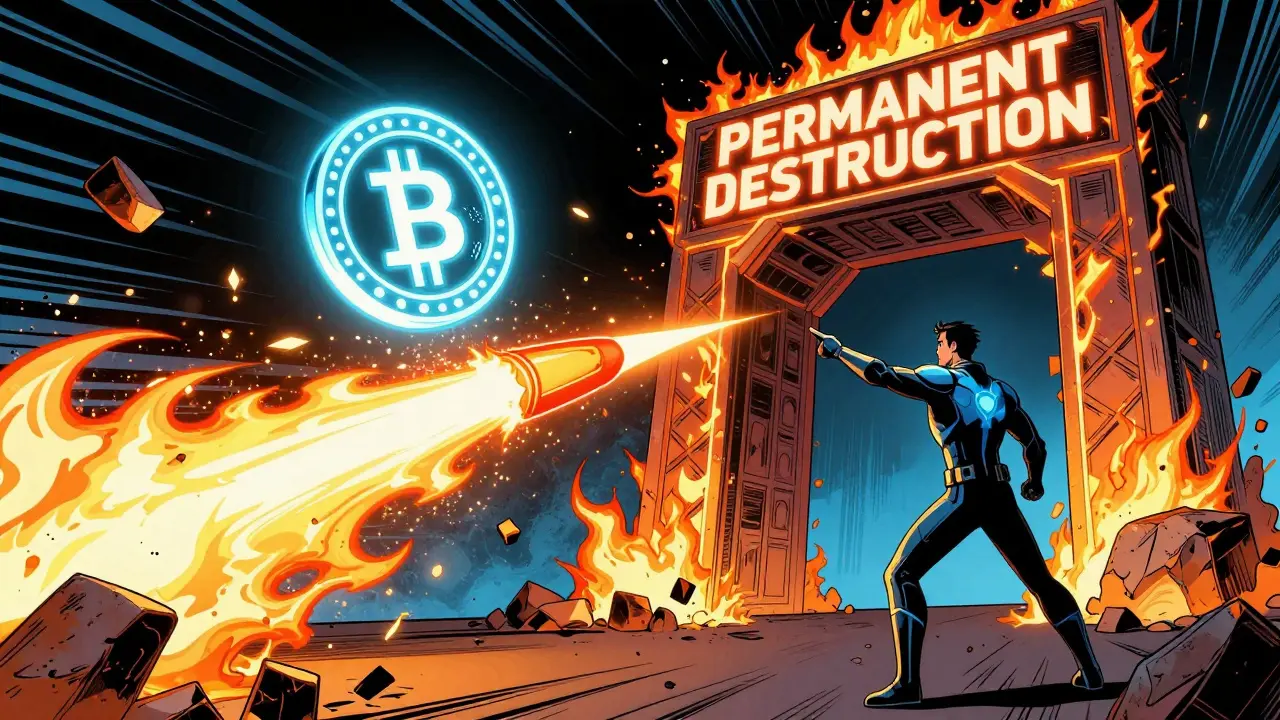
Token burning permanently removes crypto tokens from circulation, reducing supply and increasing scarcity. This drives value, controls inflation, boosts staking rewards, and builds investor trust. Projects like BNB and Terra have proven its impact.
 Cryptocurrency Guides