
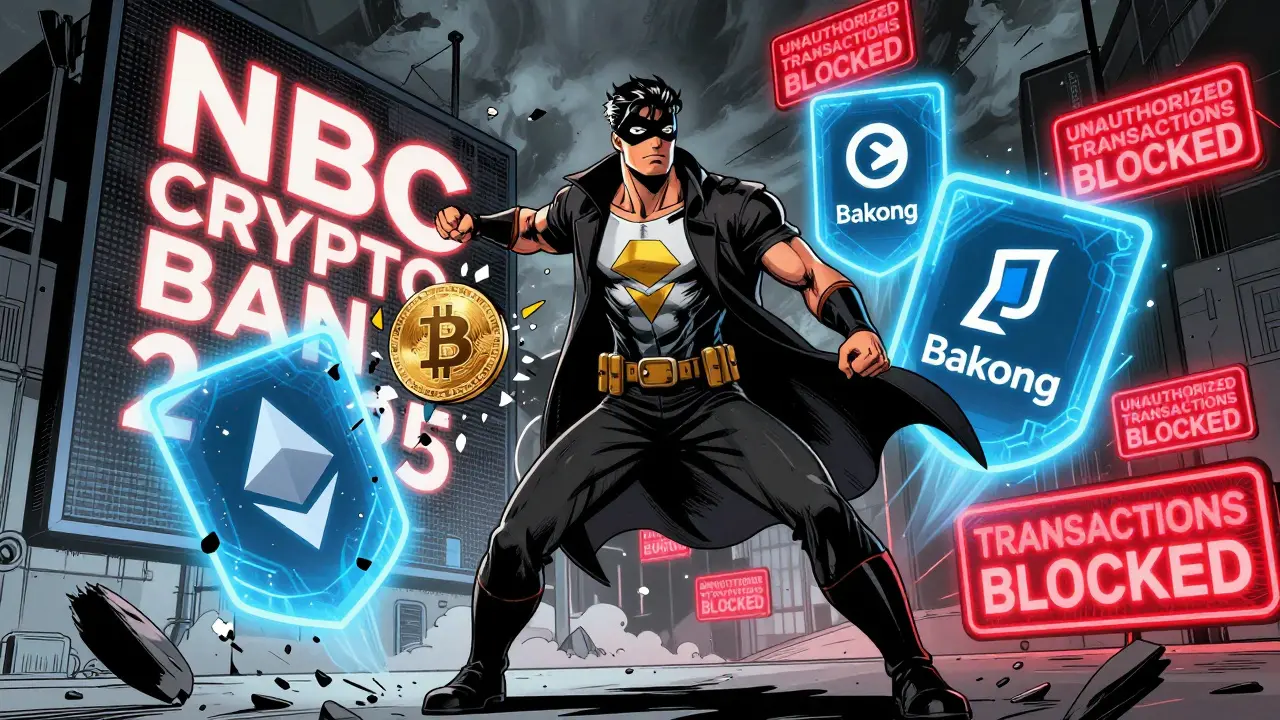
Since 2019, Cambodia has banned unlicensed cryptocurrency trading. But in early 2025, things changed - not with a full reopening, but with a tighter, more controlled system. The National Bank of Cambodia (NBC) didn’t lift the ban. It rebuilt it. Now, only two entities can legally touch crypto. Everyone else? They’re blocked. And if you’re trying to send Bitcoin through Wing Money or use Binance P2P, your account could freeze without warning.
How the Ban Really Works in 2025
The old rule - ‘crypto is illegal’ - was too broad. It didn’t stop crypto use. It just pushed it underground. So in January 2025, the NBC introduced Prakas B7-024-735, a new law that splits crypto into two groups. Group 1 includes tokenized securities and stablecoins fully backed by real assets like U.S. dollars. Group 2? That’s Bitcoin, Ethereum, and all other unbacked coins.
Here’s the catch: Banks can hold Group 1 assets - but only with NBC approval and capped at 15% of their tier 1 capital. They can’t hold Bitcoin or Ethereum on their books at all. That means even if you’re using USDT, a bank can’t store it for you unless it’s part of a licensed service. And only two companies have that license: Royal Group Exchange and Bakong-based platforms.
For regular users, this means you can’t buy Bitcoin directly from your bank account. You can’t trade crypto on apps like Binance or Coinbase if you’re in Cambodia. The Telecommunication Regulator blocked 16 offshore exchanges in December 2024. Even if you use a VPN, your bank might still flag your transactions - especially if you’re using Wing Money or other local payment apps.
Why the Crackdown Got So Harsh
The crackdown didn’t happen in a vacuum. In September 2024, the U.S. Treasury sanctioned Ly Yong Phat and his L.Y.P. Group for running online scam centers that exploited trafficked workers. Many of those scams used cryptocurrency. That’s when international pressure hit hard. The U.S. didn’t just call out individuals - it targeted Cambodia’s entire financial system.
Then came the numbers. Chainalysis reported a 37% jump in illicit crypto activity in Cambodia in 2024. South Korean exchanges like Bithumb processed $8.93 million in USDT transactions with Huione Guarantee, a company tied to sanctioned entities. That’s a 1,400x increase from 2023. The NBC couldn’t ignore it. So they doubled down on control.
The goal? Prevent another Bitkub-style collapse - Thailand’s $100 million crypto exchange failure in 2024 - from hitting Cambodia’s $28 billion banking sector. The NBC’s Director General, Chea Serey, says the restrictions are about protecting the system. But critics say it’s creating a black market.
What Banks Are Allowed to Do (and What They Can’t)
Commercial banks in Cambodia aren’t completely out of the crypto game. They can offer services - but only under strict rules.
- They can help customers convert riel or USD to approved stablecoins (Group 1) - but only through licensed platforms.
- They can hold crypto assets for clients, but only if those assets are Group 1 and under the 15% capital limit.
- They must use cold storage for 95% of client crypto holdings.
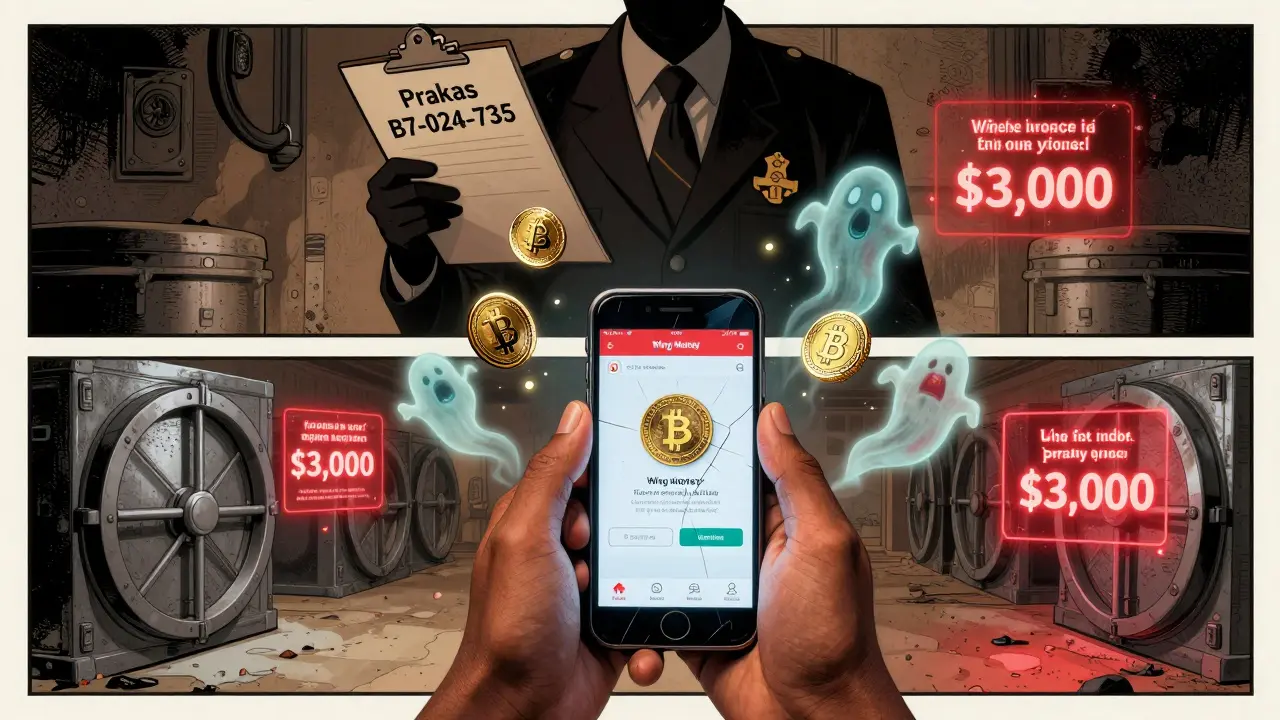
- They must report any transaction over $3,000 to the Anti-Money Laundering Committee within 24 hours.
- They can’t process crypto payments to unlicensed offshore exchanges - ever.
But here’s the problem: The approval process for banks to offer these services takes 90 to 120 days. They need to submit 47 documents - including stress tests simulating an 80% crypto price crash. ANZ Royal Bank, for example, has a client demand for $200 million in crypto services but is capped at $15 million. That’s not a market. That’s a bottleneck.
How It Affects Real People
For most Cambodians, crypto isn’t about speculation. It’s about survival. Sixty-eight percent of rural Cambodians don’t have access to banks. Crypto could be their bridge to remittances, savings, and small business funding. But the restrictions make it harder.
Reddit user ‘PhnomPenhTechie’ tried sending $50 three times via Binance P2P in January 2025. His Wing Money account was frozen for 14 days. No explanation. No appeal. Just silence. Trustpilot reviews for Wing Money show a 2.1/5 rating - 78% of complaints are about crypto-related documentation nightmares.
On the flip side, users of Royal Group Exchange report smoother experiences: verified in 3 days with ID and utility bill, $5,000 daily limit, 0.8% fee. But that’s only for those who can navigate the bureaucracy. And even then, the process takes 15 days on average to convert fiat to crypto.
Small businesses are hit hardest. AgriTech startup RiceX got $2 million in stablecoin funding in December 2024 - but it took 10 days of paperwork. Most startups don’t have that kind of time.
How Cambodia Compares to Neighbors
Cambodia is the strictest in Southeast Asia.
Thailand lets banks hold up to 20% of capital in Bitcoin. Singapore allows retail investors to trade Bitcoin futures. Vietnam permits licensed banks to custody crypto assets. Cambodia? No direct Bitcoin holdings. No open exchanges. No P2P freedom.
The result? Cross-border payments take 3-5 days in Cambodia. In Vietnam, blockchain systems clear them in 24 hours. Remittance fees in Cambodia sit at 6.8%. In Laos, where crypto corridors are allowed, it’s 4.2%. That’s money lost - to families, to farmers, to small traders.
And while Bakong - Cambodia’s own blockchain-based payment system - has 12.4 million users and processes 4.7 million transactions daily, it doesn’t connect to public blockchains. It’s a closed system. The NBC says it’s building a Central Bank Digital Currency (CBDC). But until then, people are stuck.

The Bigger Picture: Financial Inclusion vs. Control
The NBC argues its restrictions protect financial stability. Inflation in Cambodia is 6.2%. Regional averages? Over 15%. That’s a win, they say. But the cost? Financial inclusion has stalled. Crypto ownership in Cambodia dropped from 4.7% in 2021 to just 2.1% in 2024.
Meanwhile, illicit activity is rising. The IMF estimates Cambodia could lose $1.2 billion in fintech investment by 2027 because of its stance. The World Bank says the country’s digital payment infrastructure is strong - but it’s not open. It’s walled.
Is the system working? For banks? Maybe. For regulators? Yes. For the average person trying to send money home or start a business? Not really.
What’s clear is this: Cambodia isn’t banning crypto because it’s dangerous. It’s banning it because it’s hard to control. And in a country where trust in institutions is fragile, control matters more than innovation.
What’s Next?
The NBC’s 2025-2026 roadmap includes real-time monitoring of all crypto-fiat conversions and expanded bans on P2P platforms. No exceptions. No loopholes. Director General Chea Serey says no Cambodian bank will ever facilitate transactions with unlicensed offshore exchanges - no matter where they’re based.
That means if you’re using a foreign exchange, your bank will still block you. If you’re trying to use crypto to pay for goods, you’ll be out of luck. If you’re a freelancer receiving payments in USDT, you’ll need to go through Royal Group Exchange - and wait.
The future of crypto in Cambodia isn’t about adoption. It’s about containment. The government isn’t trying to stop people from using crypto. It’s trying to make sure only they - and their licensed partners - can manage it.
 Cryptocurrency Guides