
Stock Market Psychology: How Emotions Drive Prices and What You Can Do About It
When you think about what moves the stock market psychology, the study of how human emotions and cognitive biases influence financial decisions and market movements. It's not about earnings reports or interest rates — it's about panic, FOMO, denial, and overconfidence. The market doesn't care if a company is profitable. It cares if a million people believe it will be — or that it won't. This is why stocks can crash on rumors and soar on silence. And why smart people lose money not because they're wrong, but because they're human.
Investor behavior, the pattern of actions people take when buying or selling assets based on feelings rather than analysis is messy. You buy when everyone else is rushing in, convinced the trend will last forever. You sell when the floor drops out, terrified you'll lose everything. Both are classic mistakes. Studies show traders who hold onto losing stocks too long, then sell winners too early, underperform the market by 4% a year — just because of emotion. Market emotions, the collective mood of buyers and sellers that drives asset prices away from fair value don't follow logic. They follow herd instinct. And right now, that instinct is being amplified by social media, instant news, and apps that turn trading into a game.
Trading psychology, the mental discipline required to stick to a plan despite fear, greed, or external noise isn't about predicting the next move. It's about controlling your own reactions. The posts below show real cases: how panic led to fake exchange collapses, how FOMO drove people into worthless tokens, how fear made investors ignore regulatory warnings. You'll see how people lost money not because the market was rigged — but because they let their emotions run the show.
There's no magic formula to beat the market. But there is a way to stop losing to yourself. The articles here don't teach you how to time the market. They show you how to spot the emotional traps everyone falls into — and how to walk away before the trap snaps shut. Whether you're buying Bitcoin in India, trading on a Polish exchange, or watching crypto mining bans spread across Europe, the same rules apply: fear sells, greed buys, and patience wins.
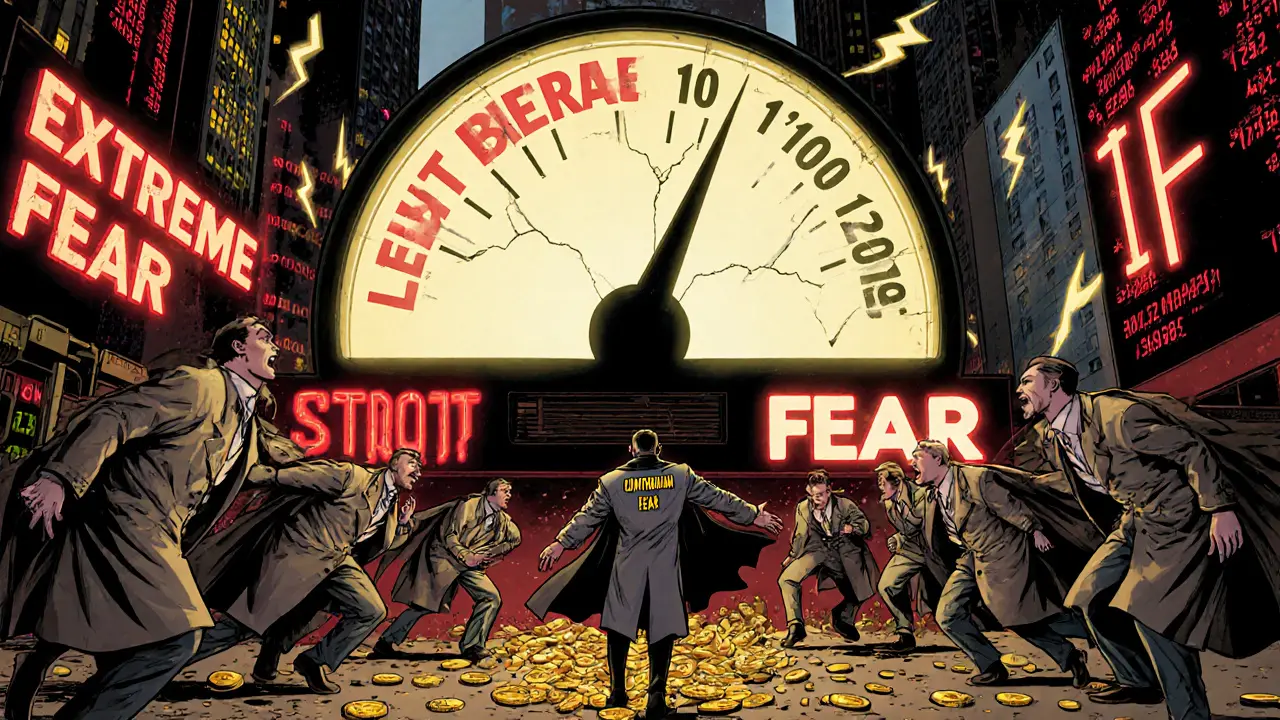
The Fear and Greed Index measures investor emotion in crypto and stock markets, helping you spot when crowds are overreacting. Learn how to use it as a contrarian tool - not a trading signal.
 Cryptocurrency Guides