
Solana token: your gateway to fast, low‑fee crypto
When exploring Solana token, a fast, low‑fee crypto asset built on the Solana blockchain, you’ll also run into concepts like Airdrop, free token distribution used to attract users and reward early supporters and Smart contract, self‑executing code that powers DeFi, NFT and gaming projects on Solana. Recent Regulation, government rules that shape how tokens can be issued, traded and reported also influence what you can do with the token. In short, Solana token sits at the crossroads of speed, community incentives and legal compliance.
Why airdrops matter for Solana holders
Airdrops act like a free‑sample aisle in a grocery store – they let you taste a new project without spending a dime. On Solana, airdrops have sparked several buzzworthy campaigns. The DOGECOLA (COL) airdrop, for example, turned heads despite the lack of an official launch, while the RACA x BSC MVBIII September Star airdrop showed how cross‑chain collaborations can boost visibility. Even the Frutti Dino (FDT) CMC airdrop turned into a cautionary tale, teaching users how to spot scams. These events illustrate the first semantic triple: Airdrop distributes tokens to early adopters, which fuels community growth and creates liquidity for Solana token. By following reliable sources and checking the safety‑checklists we provide, you can join genuine drops and avoid phishing traps.
Beyond freebies, airdrops affect market dynamics. A sudden influx of free tokens can increase trading volume, push price volatility, and attract institutional interest. For Solana token investors, understanding the timing and eligibility rules of each airdrop helps you plan entry and exit points more strategically.
Smart contracts: the engine behind Solana’s DeFi boom
Smart contracts on Solana are celebrated for their speed and low cost, which are crucial for high‑frequency trading and NFT minting. Projects like privacy‑preserving smart contracts employ zero‑knowledge proofs to hide transaction details while keeping the ledger public. This leads to the second semantic triple: Smart contract enables DeFi apps on Solana, which require secure execution and can benefit from zero‑knowledge proofs. If you’re building or using a Solana‑based dApp, you’ll want to know how these contracts are written, audited, and upgraded.
Developers often rely on tools such as Anchor and Solana Program Library (SPL) to write contracts that interact with token accounts, escrow services, and NFT marketplaces. Knowing the basics of these frameworks lets you assess a project’s technical depth and spot red flags before committing funds.
Regulatory landscape that shapes Solana token activity
Regulation isn’t just paperwork – it determines which exchanges list a token, how taxes are calculated, and whether a project can launch a token sale. South Korea’s real‑name verification rules, the EU’s MiCA framework, and Dubai’s VARA licensing guide all set precedents that ripple through the Solana ecosystem. This creates the third semantic triple: Regulation shapes how Solana token can be listed on exchanges and influences compliance requirements for projects. For everyday investors, staying aware of these rules means you can avoid sudden delistings or unexpected tax liabilities.
Compliance also affects airdrop legitimacy. Many jurisdictions now require token distributors to follow anti‑money‑laundering (AML) checks, which explains why official airdrops often come with identity verification steps. Understanding the legal backdrop helps you differentiate between a reputable token giveaway and a rogue scheme.
Risk management tips that apply across the board
Whether you’re chasing airdrops, swapping tokens on a DEX, or holding Solana token for the long term, risk management is non‑negotiable. Effective stop‑loss strategies, such as setting a percentage‑based trigger or using the Average True Range (ATR) method, can protect you in volatile markets. Pairing these tools with the market‑analysis insights we provide on exchanges like Ionomy, Tokok, and Coinopts gives you a holistic view of price action and liquidity.
Remember, every token move should be backed by a checklist: verify the source, confirm smart‑contract audits, and assess regulatory compliance. Following this routine reduces the chance of falling into scams or unexpected regulatory setbacks.
Now that you have a clear picture of what the Solana token ecosystem looks like—from airdrop mechanics and smart‑contract tech to the rules that govern them—take a look at the articles below. They dive deeper into each topic, walk you through real‑world examples, and equip you with actionable steps to navigate the space confidently.
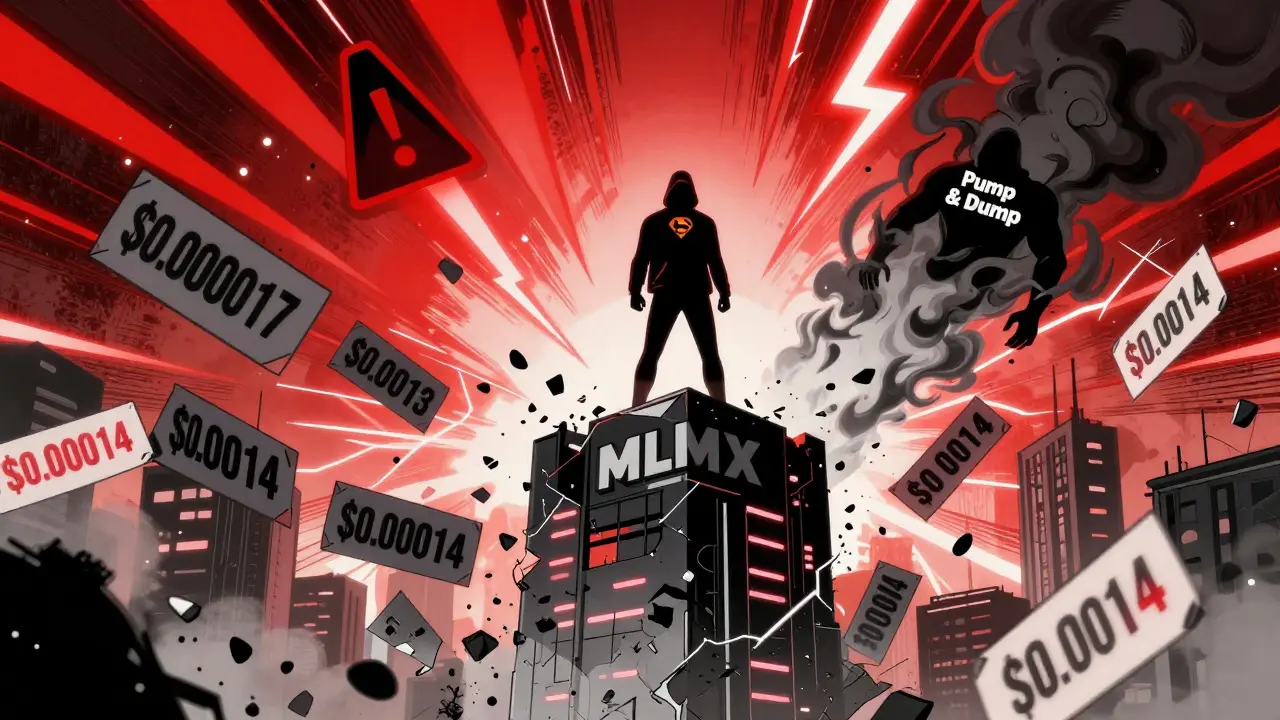
MLM X (MLMX) is a low-liquidity Solana token with wild price swings, no clear use case, and minimal trading volume. Here's what the data really shows about its risk, supply, and market behavior.
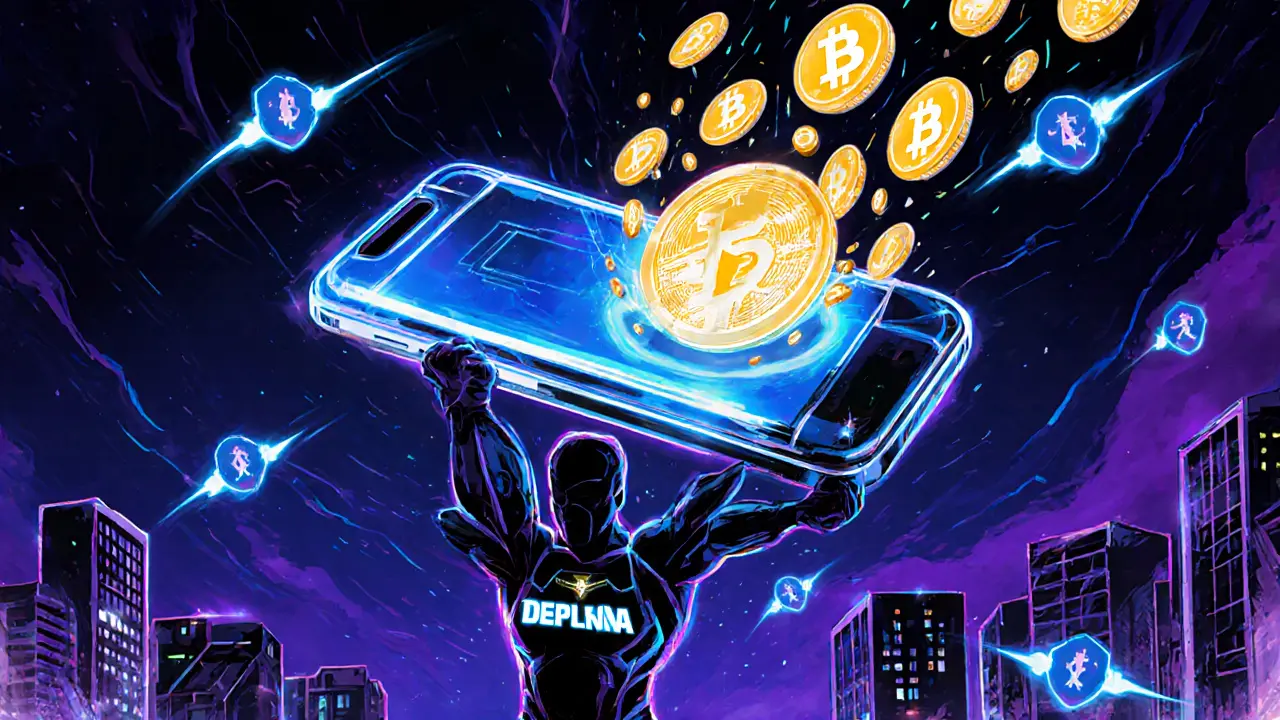
Bless (BLESS) is a Solana-based crypto token that rewards users for sharing idle computing power. Learn how it works, how to earn it, and whether it's worth your time in 2025.
A clear, no‑fluff guide to Nibbles (NIBBLES) crypto coin, covering its price, supply, risks, how to trade it, and why it’s considered a high‑risk micro‑cap token.
 Cryptocurrency Guides