
Scam Crypto Exchange: How to Spot and Avoid Fake Platforms
When you hear scam crypto exchange, a fake platform designed to steal your cryptocurrency through deception, not trading. Also known as fake crypto platform, it looks real—professional website, fake testimonials, even fake customer support—but it’s built to disappear with your money. These aren’t glitches or mistakes. They’re organized operations targeting people who trust what looks official. In 2025, over 60% of new crypto users reported being approached by a fake exchange, often through social media ads or YouTube influencers paid to promote them.
These scams don’t just copy names—they copy entire ecosystems. You’ll see cloned versions of Coinbase, Binance, or Kraken with tiny URL changes like coinbase-support.com instead of the real one. They’ll push fake airdrops, promise instant withdrawals, or lock your funds behind a "verification" fee. Some even fake live price charts and trading volumes. crypto exchange scam, a fraudulent service pretending to be a legitimate trading platform. Also known as unlicensed crypto exchange, it operates without any regulatory oversight, making it impossible to trace or recover funds. The worst part? Once you send crypto to one of these, it’s gone forever. Blockchain transactions are irreversible. No customer service line can undo it.
Real exchanges follow rules. They’re licensed, audited, and transparent. You can check their regulatory status—Germany’s BaFin, Thailand’s SEC, or South Korea’s FSC. If a platform won’t tell you where it’s registered, that’s your first red flag. crypto fraud, the intentional deception to obtain cryptocurrency through false promises or hidden traps. Also known as crypto scam, it includes fake airdrops, rigged trading bots, and phishing sites that mimic login pages. Look at the posts below. You’ll see how Bitsoda, Exchangily, and others were exposed—not by experts, but by users who noticed the small things: no KYC, no contact info, or a keyboard security flaw that let hackers steal keys.
There’s no magic trick to avoid scams. Just one habit: never trust what you’re told. Always verify. Check the official website. Search for independent reviews. Look for real user complaints—not paid ones. If something feels too easy, too fast, or too good to be true, it is. The next time someone pushes a "limited-time" exchange or a "guaranteed" return, pause. Ask: Who’s behind this? Where’s their license? Why can’t I find them on CoinMarketCap or CoinGecko? The answers are out there. You just have to look.
Below, you’ll find real cases of fake exchanges, how they tricked people, and what you can do to protect yourself. No fluff. Just facts from people who’ve been there.
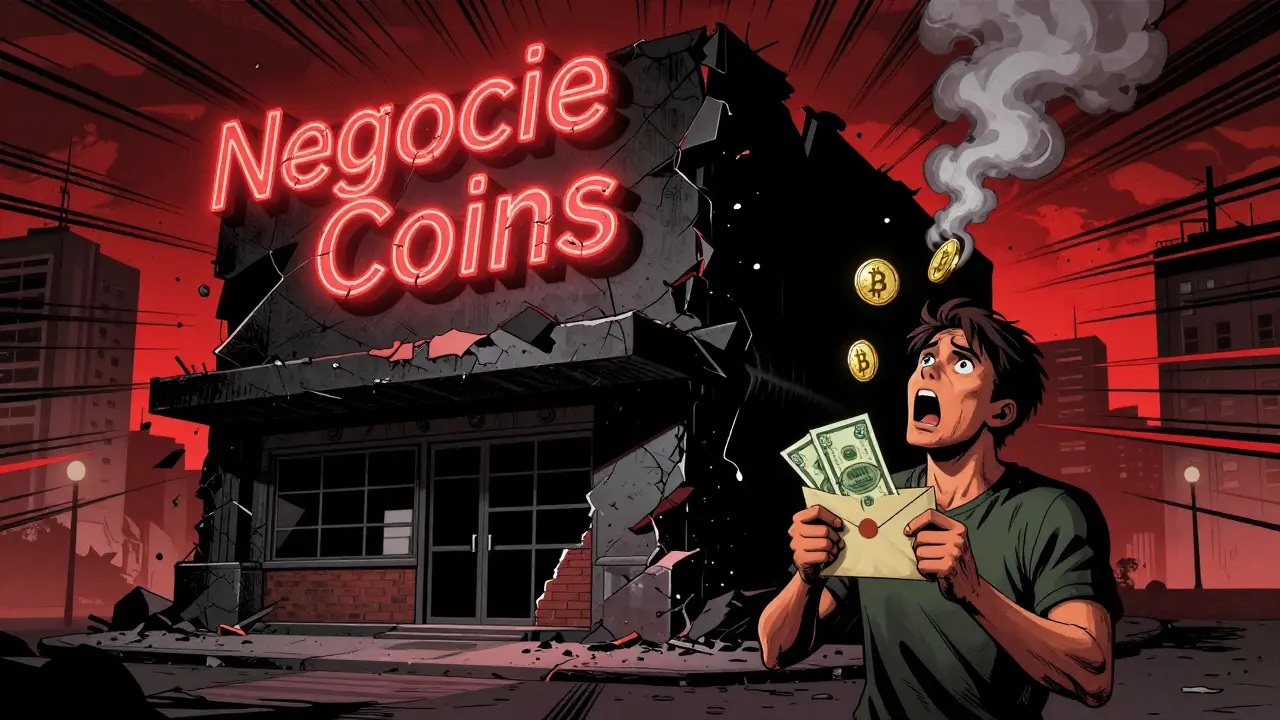
Negocie Coins was a Brazilian crypto exchange that shut down in 2020 and was labeled a scam. This review explains what it offered, why it failed, and what to look for instead.
 Cryptocurrency Guides