
MDX Token: What It Is, How It Works, and What You Need to Know
When you hear MDX token, the native cryptocurrency of the Medibloc blockchain platform designed to secure and share health data. Also known as Medibloc token, it enables users to pay for services, reward data contributors, and access decentralized health records. Unlike most crypto tokens that chase hype, MDX is built around a real-world problem: who owns your medical data? Right now, hospitals, insurers, and tech companies hold it. MDX flips that by putting control back in your hands—using blockchain to let you share your records securely, and get paid for it.
MDX isn’t just a coin. It’s the fuel for Medibloc, a decentralized health data network that connects patients, clinics, and researchers without middlemen. Think of it like a secure digital file cabinet you own, where you decide who gets to see your MRI results or blood test history. When a clinic needs your data for treatment, you approve the access. When a researcher wants to study diabetes trends, you can sell anonymized data directly—and get paid in MDX. This isn’t theory. Real clinics in South Korea and Japan are already using Medibloc’s system. And because it’s built on blockchain, every access request is recorded, tamper-proof, and transparent.
Related to MDX is the idea of decentralized health records, a system where medical data isn’t stored in one company’s server but spread across a network of verified nodes. This cuts out the risks of data breaches—like the ones that exposed millions of patient records at major hospitals. It also solves the nightmare of losing your records when switching doctors. With MDX-powered systems, your history travels with you, encrypted and under your control. Even insurance companies are starting to test these models because they reduce fraud and speed up claims.
What you’ll find in the posts below isn’t fluff. These are real stories: how MDX is used in clinical trials, why some health startups chose it over traditional databases, and what happened when a patient sold their anonymized genetic data for the first time. You’ll also see how MDX compares to other health-focused tokens, what’s holding it back, and why some investors think it’s one of the few crypto projects actually solving a problem people care about. No hype. No empty promises. Just what’s working—and what’s not—in the quiet revolution happening in health data.
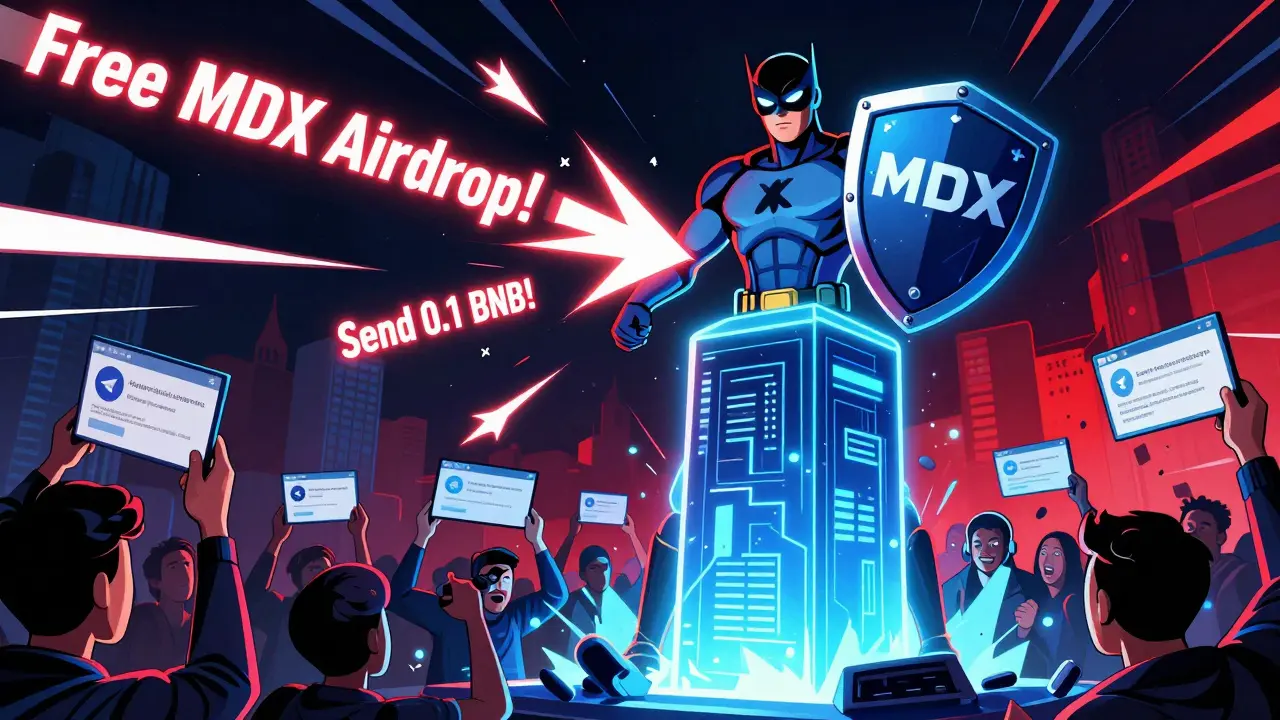
There is no active MDX airdrop from Mdex in 2025. Learn how to earn MDX through legitimate liquidity mining, avoid fake airdrop scams, and understand the real way to participate in the Mdex ecosystem.
 Cryptocurrency Guides