
Investor Emotion: How Feelings Drive Crypto and Stock Market Moves
When you buy a coin because everyone on Twitter is hyping it—or sell because the price dropped 5% in an hour—you’re not making a rational decision. You’re reacting to investor emotion, the psychological drive behind buying and selling decisions that often ignore data and fundamentals. It’s not just about numbers—it’s about fear, FOMO, and the urge to chase the next big thing. This isn’t new. Stock markets have been ruled by emotion since the Tulip Mania of the 1600s. But in crypto, where prices swing 30% in a day and news spreads in seconds, market sentiment, the collective mood of traders that influences asset prices becomes even more powerful. You see it in airdrop rushes, meme coin spikes, and panic sells during regulatory news. It’s why a token with no team or utility can surge overnight—and crash just as fast.
trading behavior, how investors act under pressure, reward, or loss is predictable once you know the patterns. When prices rise, greed takes over. People borrow money to buy in. When they drop, panic hits. They sell at the bottom. Look at the Upbit penalty case—investors didn’t flee because of fraud alone. They fled because they saw others selling. Same with the RichQUACK airdrop rush: people didn’t join because they understood the token. They joined because they didn’t want to miss out. Even in regulated spaces like India, where crypto is taxed at 30%, people still trade—not because the math makes sense, but because they believe the next wave is coming. emotional investing, making trades based on feelings instead of analysis is the hidden force behind every crypto bubble and crash.
You’ll find real examples of this in the posts below. Bitsoda wasn’t a scam because it looked fake—it was a scam because people wanted to believe it was real. Cuba’s crypto use isn’t about technology—it’s about survival, driven by desperation. North Korea’s crypto thefts work because exchanges and wallets are built for trust, not suspicion. Even Norway’s mining ban isn’t just about energy—it’s about protecting public resources from what looks like a speculative frenzy. These aren’t just stories about regulation or tech. They’re stories about people. About fear. About hope. About the quiet, powerful force that moves markets more than any algorithm ever could. What you’re about to read isn’t just facts. It’s the human side of finance—and how to stop letting your emotions make your worst trades.
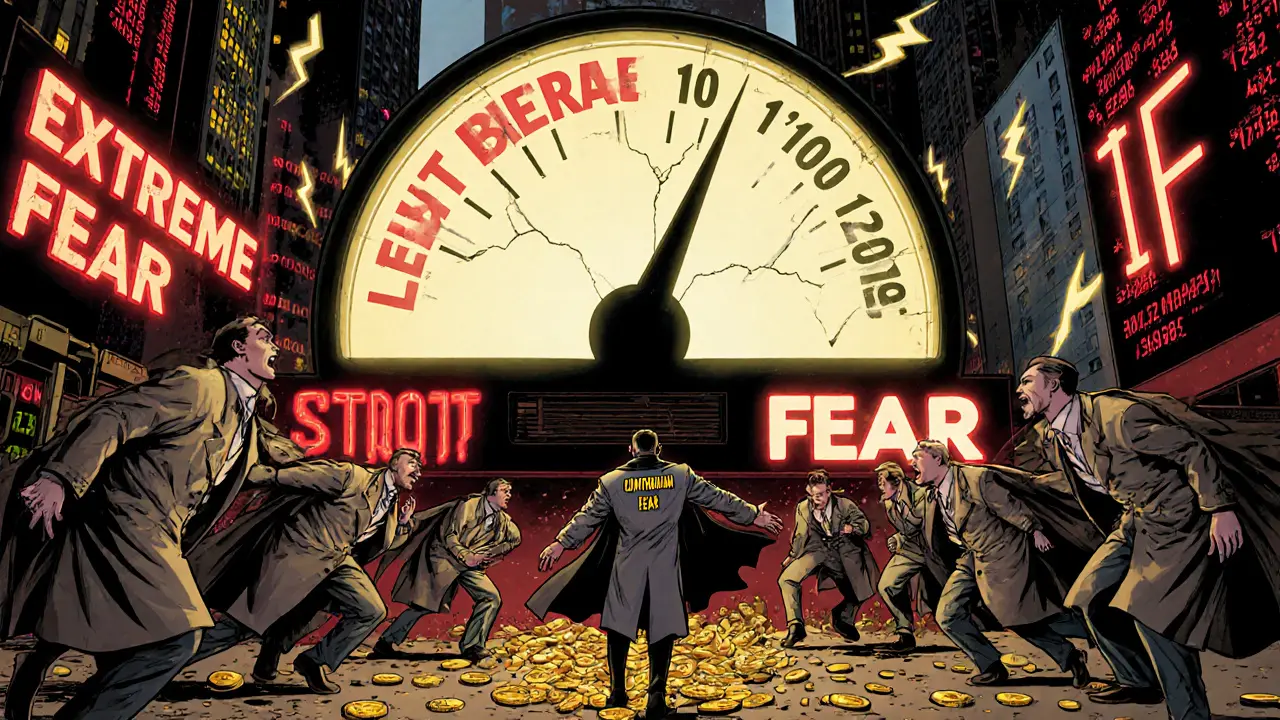
The Fear and Greed Index measures investor emotion in crypto and stock markets, helping you spot when crowds are overreacting. Learn how to use it as a contrarian tool - not a trading signal.
 Cryptocurrency Guides