
Crypto Supply Reduction: How Tokenomics Shape Market Value and Why It Matters
When you hear crypto supply reduction, the deliberate decrease in the total number of tokens available for trading, often through burning or locking mechanisms. Also known as token scarcity, it's one of the few real levers projects have to influence price without relying on hype. Unlike stocks or fiat, most cryptocurrencies have hard-coded limits—once they’re gone, they’re gone. That’s why when a project burns 10% of its supply, it’s not just marketing—it’s a structural change that alters the game.
Supply reduction ties directly into tokenomics, the economic design behind a cryptocurrency, including how tokens are created, distributed, and removed from circulation. Think of it like a vending machine that slowly stops accepting new coins. If fewer coins are entering the system and demand stays steady—or grows—price pressure builds. That’s why projects like Binance (BNB) burn tokens quarterly: they’re not just cleaning house, they’re creating artificial scarcity. Meanwhile, tokens with infinite supply or no clear reduction plan—like some meme coins—often crash because there’s no end in sight. The market doesn’t reward abundance; it rewards scarcity.
Related concepts like circulating supply, the number of tokens actively available and trading in the market and max supply, the absolute cap on how many tokens will ever exist are just as important. A coin with a max supply of 21 million, like Bitcoin, feels different than one with a max supply of 1 trillion and no burn mechanism. You can’t fake this. The data is public. And smart investors check it before buying. That’s why you’ll find posts here about fake tokens with zero supply, like BABYDB, and why real projects like Mdex or RichQUACK are transparent about how their tokens are reduced. It’s not about promises—it’s about numbers.
Regulation also plays a role. When Thailand or South Korea cracks down on exchanges, they’re not just targeting fraud—they’re forcing projects to clean up their tokenomics. A project with unclear supply rules gets flagged. A project that burns tokens and discloses it? It gains trust. Even mining, as seen in Norway’s proposal to limit energy use, indirectly affects supply by changing how new coins enter the system. And in places like China, where crypto is banned but still traded, supply reduction becomes even more critical—because if you’re risking jail to hold a coin, you better believe it’s scarce.
What you’ll find below aren’t just articles about tokens—they’re case studies in supply dynamics. From the $34 billion fine on Upbit for KYC failures to how Nigeria’s banking bans push users toward limited-supply alternatives, every post ties back to one truth: in crypto, what you can’t get more of is what becomes valuable. You’ll learn how to spot real supply reduction versus empty claims, how burns actually work behind the scenes, and why some tokens survive while others vanish—even when the hype is loud.
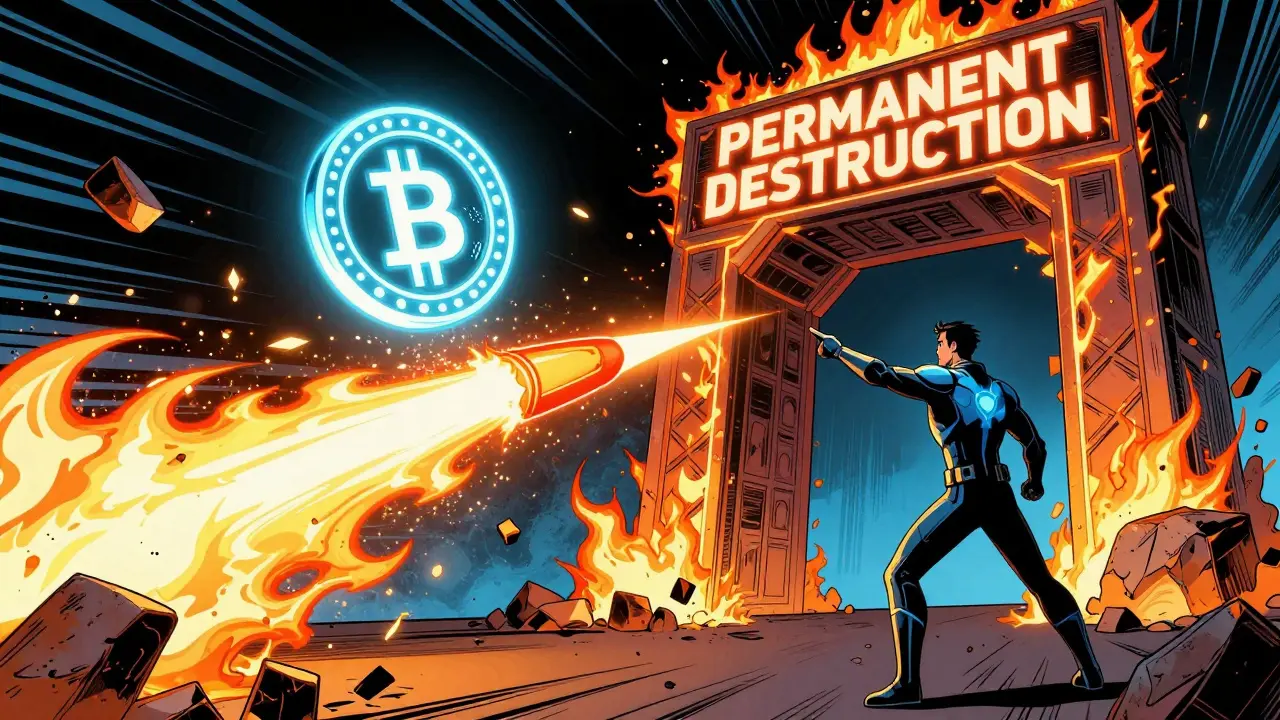
Token burning permanently removes crypto tokens from circulation, reducing supply and increasing scarcity. This drives value, controls inflation, boosts staking rewards, and builds investor trust. Projects like BNB and Terra have proven its impact.
 Cryptocurrency Guides