
Blockchain Diversification: How to Spread Risk Across Chains and Use Cases
When you hear blockchain diversification, the practice of spreading investments, tools, and activities across multiple blockchain networks to reduce exposure to any single point of failure. Also known as multi-chain strategy, it’s not just about holding different coins—it’s about using different systems that serve different needs. Most people think crypto risk means price swings. But the real danger? One chain going down, one exchange freezing withdrawals, or one regulation shutting down your access. That’s where blockchain diversification isn’t optional—it’s survival.
Think of it like having more than one bank account. If your main bank gets hacked or goes under, you still have cash elsewhere. The same applies to blockchains. Ethereum, a smart contract platform with deep DeFi and NFT infrastructure might handle your staking and yield farming. But if gas fees spike or upgrades break something, you’re stuck. That’s why you need Solana, a high-speed, low-cost chain built for everyday transactions and real-time apps as a backup. Or Bitcoin, a digital gold network focused on security and scarcity, not complex apps as your long-term store of value. These aren’t competing—they’re complementary.
And it’s not just about chains. blockchain use cases, the real-world problems each network solves, like shipping documents, fan engagement, or computing power sharing matter just as much. You don’t want all your crypto tied to speculation. Look at CargoX—it’s not a meme coin. It’s used to digitize shipping bills. Bless rewards you for sharing idle computer power. Alpine Fan Token lets you vote on F1 car designs. These aren’t just tokens—they’re tools with actual utility. If you only own tokens that depend on hype, you’re one tweet away from disaster. But if you spread across utility, finance, gaming, and infrastructure? You’re building a resilient portfolio.
And don’t forget geography. Some exchanges are blocked in your country. Some chains are banned outright. That’s why you need to know where your assets live—not just which wallet, but which jurisdiction. Germany requires licensing. Thailand punishes non-compliance with jail time. China bans exchanges but people still trade through P2P. If you’re only using Coinbase and it blocks you, you’re locked out. But if you’ve got a Poland-based exchange like Coinroom, a decentralized wallet like Exchangily, and a P2P fallback? You’ve got options.
Below are real examples of how blockchain diversification works in practice—from avoiding scams like Bitsoda and Negocie Coins, to understanding how token burning boosts trust, to spotting fake airdrops that drain wallets. These aren’t theory pieces. They’re survival guides from people who’ve been burned. Read them. Learn. Then build your own strategy.
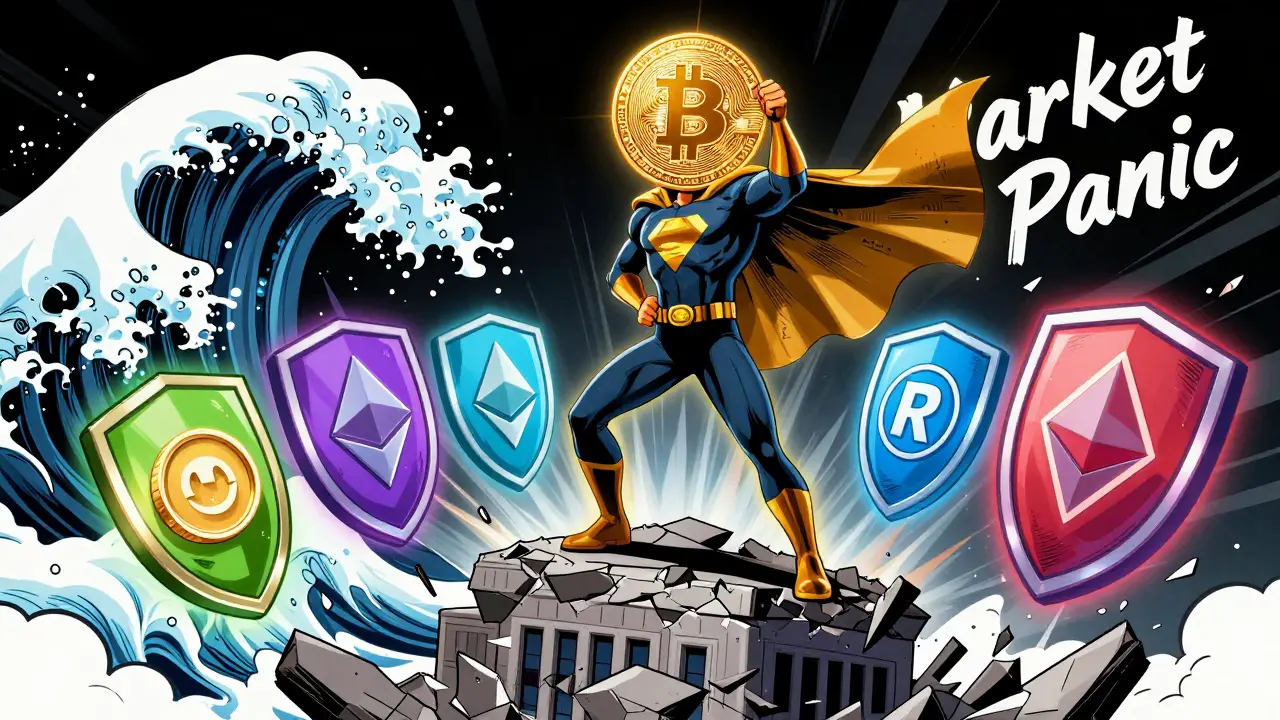
Learn how to manage risk in blockchain investing by diversifying across asset classes, geographies, and time. Discover why holding multiple coins isn’t enough-and what actually protects your portfolio.
 Cryptocurrency Guides