
Asset Allocation Blockchain: How Blockchain Changes How You Distribute Assets
When you think about asset allocation blockchain, a system that uses distributed ledgers to track and manage ownership of financial and digital assets across multiple parties. It's not just about holding crypto—it's about how you spread your investments across different types of assets, and how blockchain makes that process smarter, faster, and harder to cheat. Traditional asset allocation relies on banks, brokers, and paper records that can be lost, altered, or manipulated. Blockchain fixes that by creating a single, unchangeable record that everyone on the network can see. This isn’t theory—it’s already happening in real portfolios, from hedge funds tracking real estate tokens to everyday investors splitting holdings between Bitcoin, stablecoins, and NFTs.
One major shift is in blockchain transparency, the ability to verify every transaction and ownership change on a public ledger without trusting a central authority. immutable ledger means if you own 5% of a tokenized bond, no one can secretly take it away. That changes how you build risk into your portfolio. Instead of guessing whether your broker is honest, you can see exactly where your assets are and who controls them. This directly connects to decentralized finance, a system of financial services built on open networks without banks or middlemen. In DeFi, you can lend, borrow, or earn yield across dozens of protocols—all while keeping full control of your assets. That’s a new kind of diversification: not just stocks vs. bonds, but centralized exchanges vs. self-custody wallets vs. liquidity pools.
And it’s not just about money. Blockchain lets you allocate value in entirely new ways—like owning a piece of a Formula 1 team through fan tokens, or earning rewards for sharing your computer power with a DePIN network. These aren’t speculative gambles—they’re functional assets with clear utility. But not everything labeled "blockchain" is real. Many tokens have no team, no use case, and no liquidity. That’s why knowing the difference between a true asset allocation tool and a scam is critical. The posts below show you exactly how this works in practice: from how Germany enforces rules on crypto asset tracking, to why Brazil’s failed exchange teaches us what to avoid, to how token burning changes supply and impacts value. You’ll see real examples of what works, what doesn’t, and how to build a portfolio that actually holds up under scrutiny—without falling for hype or fake airdrops.
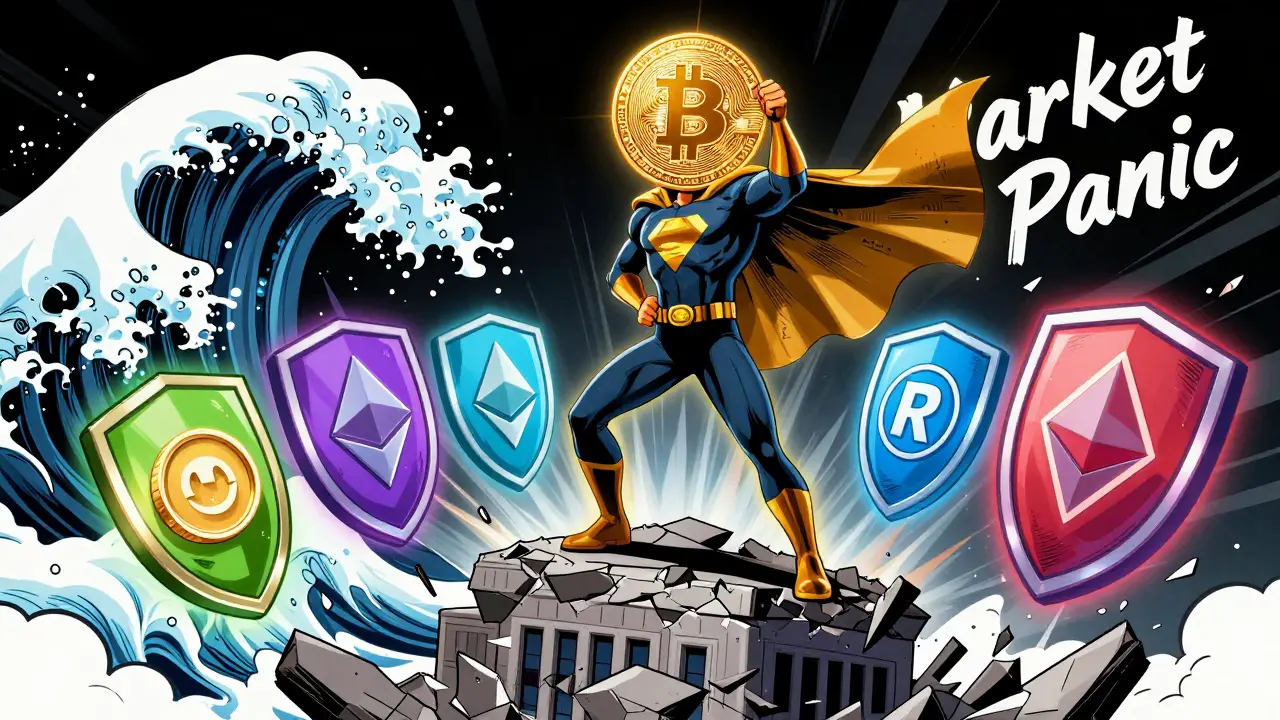
Learn how to manage risk in blockchain investing by diversifying across asset classes, geographies, and time. Discover why holding multiple coins isn’t enough-and what actually protects your portfolio.
 Cryptocurrency Guides