

Choosing a cryptocurrency exchange is no longer just about finding the lowest fees. In 2026, especially if you are based in Europe, your biggest concern should be whether the platform will still exist next year when regulations tighten. This is where Millionero is a high-speed, Europe-focused global cryptocurrency exchange offering spot and perpetual trading services with a strong emphasis on MiCA compliance. Founded in Kingstown, Saint Vincent and the Grenadines, but explicitly targeting European traders, Millionero has positioned itself as a safe harbor in an increasingly regulated market. But does it deliver on its promises of security and speed, or is it just another new platform trying to ride the regulatory wave?
The Core Value Proposition: Security First
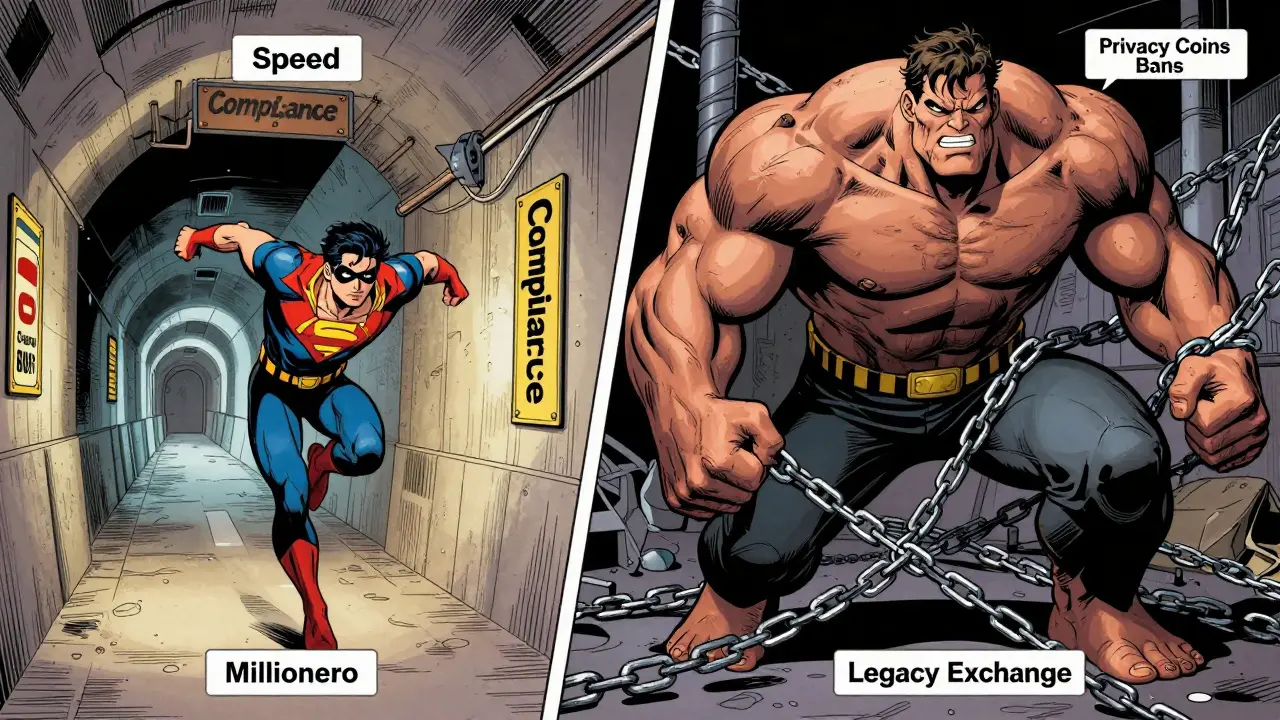
Millionero’s main selling point isn’t flashy marketing or celebrity endorsements. It’s compliance. The platform launched with a clear focus on aligning with the European Union’s Markets in Crypto-Assets (MiCA) regulatory framework. Why does this matter to you? Because starting in 2027, many major exchanges like Binance and Kraken will be forced to delist privacy coins like Monero from their European services. Millionero is preparing for this shift by building its infrastructure around transparency and strict Know Your Customer (KYC) procedures.
This approach makes Millionero attractive if you want long-term stability in Europe. However, it also means you won’t find the same level of anonymity here as you might on less regulated platforms. If you value privacy above all else, this exchange might not be for you. For everyone else who wants to trade without worrying about sudden regulatory bans, Millionero offers a structured environment.
Trading Features: Spot and Perpetual Futures
When you log in, you’ll find two main types of trading: spot and perpetual futures. Spot trading allows you to buy and sell cryptocurrencies at current market prices. Perpetual futures, on the other hand, let you speculate on price movements without owning the underlying asset. This is popular among experienced traders who want to leverage their positions.
The platform boasts a matching engine capable of executing trades in milliseconds. In crypto markets, where prices can swing wildly in seconds, speed matters. A slow execution could mean the difference between profit and loss. While exact server specifications aren’t public, the claim of millisecond execution suggests they are investing in robust technology to compete with established players.
| Feature | Millionero | Binance | Kraken |
|---|---|---|---|
| MiCA Compliance Focus | High (Core Strategy) | Moderate (Restricting Services) | Moderate (Delisting Assets) |
| Trading Types | Spot, Perpetual Futures | Spot, Futures, Options, NFTs | Spot, Futures, Margin |
| Fee Transparency | Low Fees (Exact Rates Unclear) | Transparent Tiered Structure | Transparent Tiered Structure |
| Security Audits | Self-Attested | Regular Third-Party Audits | Regular Third-Party Audits |
| User Base Size | Growing (Newer Platform) | Massive (Global Leader) | Large (Established Trust) |

Security Architecture and Phishing Risks
Security is the most critical aspect of any crypto exchange. Millionero implements mandatory KYC and strongly recommends two-factor authentication (2FA). However, they explicitly advise against using SMS for 2FA due to phishing risks. Instead, they prefer authenticator apps like Google Authenticator. This is a smart recommendation because SMS codes can be intercepted through SIM-swapping attacks.
In June 2025, CEO Syed Suleman Kazim issued a urgent warning about sophisticated phishing scams targeting users. He noted that scammers were sending spoofed emails, creating fake Telegram groups, and even impersonating him personally. This indicates that while Millionero may have strong internal security, users are vulnerable to social engineering. Always check for HTTPS and the padlock icon in your browser. Never click random links in Telegram or Zoom messages, as these can auto-install malware on your device.
A significant gap in Millionero’s profile is the lack of independent third-party security audits from firms like CertiK or Hacken. Most of their security claims are self-attested. While they haven’t reported any major breaches, their smaller size compared to giants like Coinbase might make them a less attractive target for now. As they grow, expect more scrutiny on their security protocols.
Fees and Hidden Costs
One area where information is scarce is the fee structure. Millionero markets itself as having "low fees," but they don’t publish specific percentage rates for trading, deposits, or withdrawals. This is a red flag for cost-conscious traders. When comparing exchanges, you need to know exactly what you’re paying. High spreads or hidden withdrawal fees can eat into your profits quickly.
Before depositing funds, I recommend reaching out to their customer support to get a detailed breakdown of costs. Compare this with competitors like Binance, which offer transparent tiered fee structures based on your trading volume. Without clear pricing, it’s hard to determine if Millionero truly offers better value.
User Experience and Support
Millionero claims to be user-friendly for newcomers, but there is little independent data on user satisfaction. No reviews on Trustpilot or Reddit discussions provide insight into the actual experience. The platform includes both spot and perpetual trading, suggesting it caters to a range of skill levels. However, the learning curve for perpetual futures can be steep for beginners.
Support channels appear to include direct contact with customer service. Their Terms of Service require users to notify the platform immediately of any security breaches. This suggests a rapid response protocol, but average response times are unknown. If you encounter issues, test their support responsiveness with small questions before committing large amounts of capital.
Who Should Use Millionero?
Millionero is best suited for European traders who prioritize regulatory compliance and security over a vast selection of trading pairs. If you are worried about future restrictions on privacy coins or want a platform that aligns with EU laws, Millionero is a strong candidate. It is also suitable for active traders who need fast execution speeds for perpetual futures.
However, if you are looking for a wide variety of altcoins, deep liquidity, or extensive educational resources, you might find Millionero lacking. Established platforms like Kraken or Coinbase offer more mature ecosystems with proven track records. Additionally, if you cannot verify the exact fee structure, you might prefer exchanges with greater transparency.
Is Millionero safe for European users?
Yes, Millionero is designed to be safe for European users by aligning with the MiCA regulatory framework. They implement strict KYC procedures and recommend secure 2FA methods. However, always remain vigilant against phishing scams, which are common across all crypto platforms.
Does Millionero support Monero?
As of 2026, Millionero focuses on MiCA compliance. Since MiCA prohibits trading anonymized assets like Monero in Europe starting in 2027, Millionero likely does not support Monero for European users to ensure long-term regulatory adherence.
What are the fees on Millionero?
Millionero advertises "low fees" but does not publicly disclose specific trading, deposit, or withdrawal percentages. You should contact their customer support directly to obtain a detailed fee schedule before trading.
Has Millionero suffered any hacks?
There are no reports of major security breaches or hacks involving Millionero as of mid-2026. However, they have warned users about sophisticated phishing attempts targeting their customers. Always use strong 2FA and verify official communication channels.
How does Millionero compare to Binance?
Millionero is newer and smaller than Binance, focusing specifically on MiCA compliance for European users. Binance offers a wider range of assets and features but has faced regulatory challenges in Europe, including suspending SEPA deposits. Millionero provides a more specialized, regulation-first approach.
 Cryptocurrency Guides