
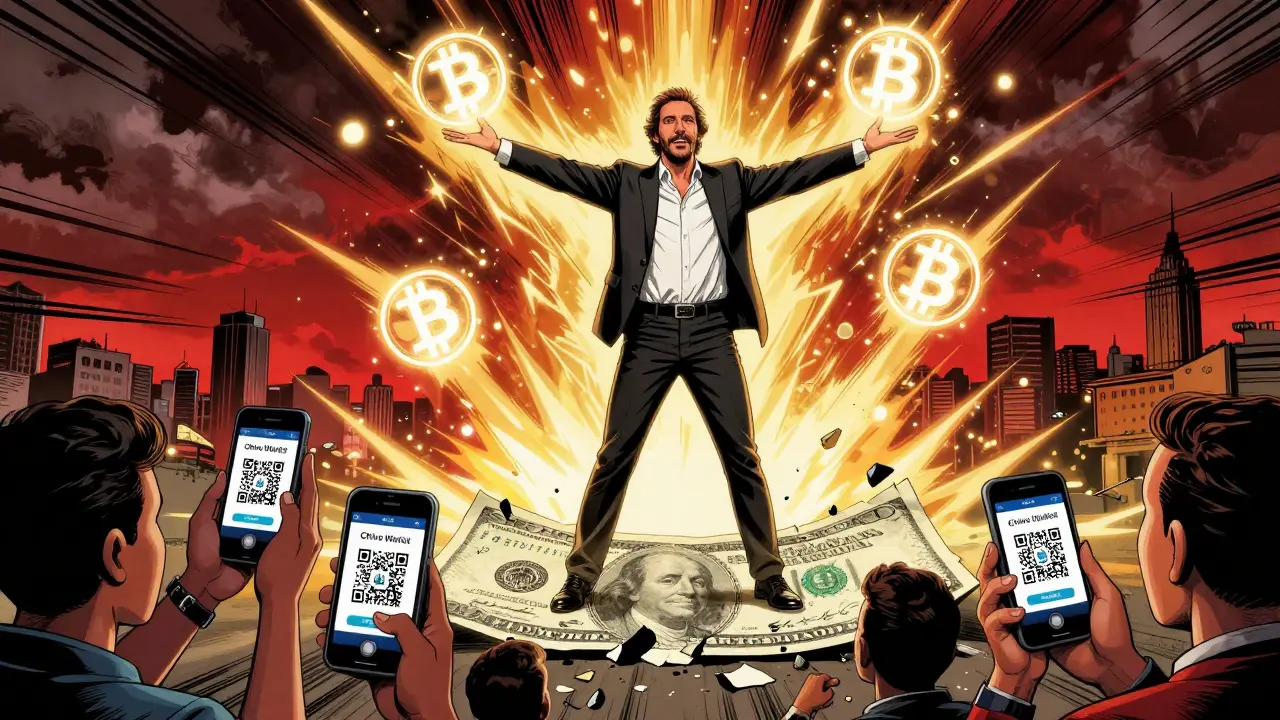
El Salvador didn’t just try Bitcoin. It made it legal tender. In September 2021, the country became the first in the world to give Bitcoin the same status as the U.S. dollar. No middlemen. No bank fees. Just direct peer-to-peer payments. The goal? To help the 70% of Salvadorans who didn’t have bank accounts. To cut the high cost of remittances. To break free from dollar dependence. It sounded revolutionary.
Why Bitcoin? The Real Problem
El Salvador’s economy runs on dollars. Since 2001, it stopped using its own peso. That meant it had no control over interest rates, money supply, or inflation. Every financial decision was tied to the U.S. Federal Reserve. Remittances from abroad - mostly from the U.S. - made up nearly 20% of the country’s GDP. Sending $200 home cost $15 or more in fees. For families living paycheck to paycheck, that added up. President Nayib Bukele saw Bitcoin as a way out. No banks needed. No intermediaries. Just a phone, a wallet, and a connection. The government launched the Chivo Wallet, loaded with $30 in free Bitcoin for every citizen who signed up. It promised instant transfers, low fees, and a path to financial inclusion.What Actually Changed?
At first, it looked like a win. By 2025, 82% of small businesses accepted Bitcoin. Restaurants, street vendors, gas stations - all had QR codes for payments. The Chivo Wallet had over 4 million downloads. More Salvadorans had Bitcoin Lightning wallets than traditional bank accounts. Infrastructure was there. But here’s the twist: only 1% of remittances actually used Bitcoin. People got the free Bitcoin, but they cashed it out immediately. Why? Because Bitcoin’s price swings were too risky. If you got paid in Bitcoin and its value dropped 10% by lunchtime, you lost money. No one wanted to hold it. No one trusted it as real money. The government kept buying. By March 2025, its Strategic Bitcoin Reserve Fund held 6,102 BTC - worth around $500 million. It wasn’t using Bitcoin to pay for public services. It was betting on its long-term value. The same way a company might buy gold as a hedge.The IMF Forced a Retreat
In January 2025, El Salvador quietly dropped Bitcoin’s legal tender status. Not because it failed. Because the IMF said no. The International Monetary Fund had given El Salvador a $1.4 billion loan. But it came with strings. One of them: abolish Bitcoin as legal tender. Why? Because the IMF saw Bitcoin as a threat to financial stability. Its volatility made budgeting impossible. Its decentralized nature made oversight hard. And it scared off foreign investors who worried about regulatory chaos. El Salvador agreed. Not because it gave up on Bitcoin. But because it needed the money. The country was drowning in debt. The government chose survival over symbolism.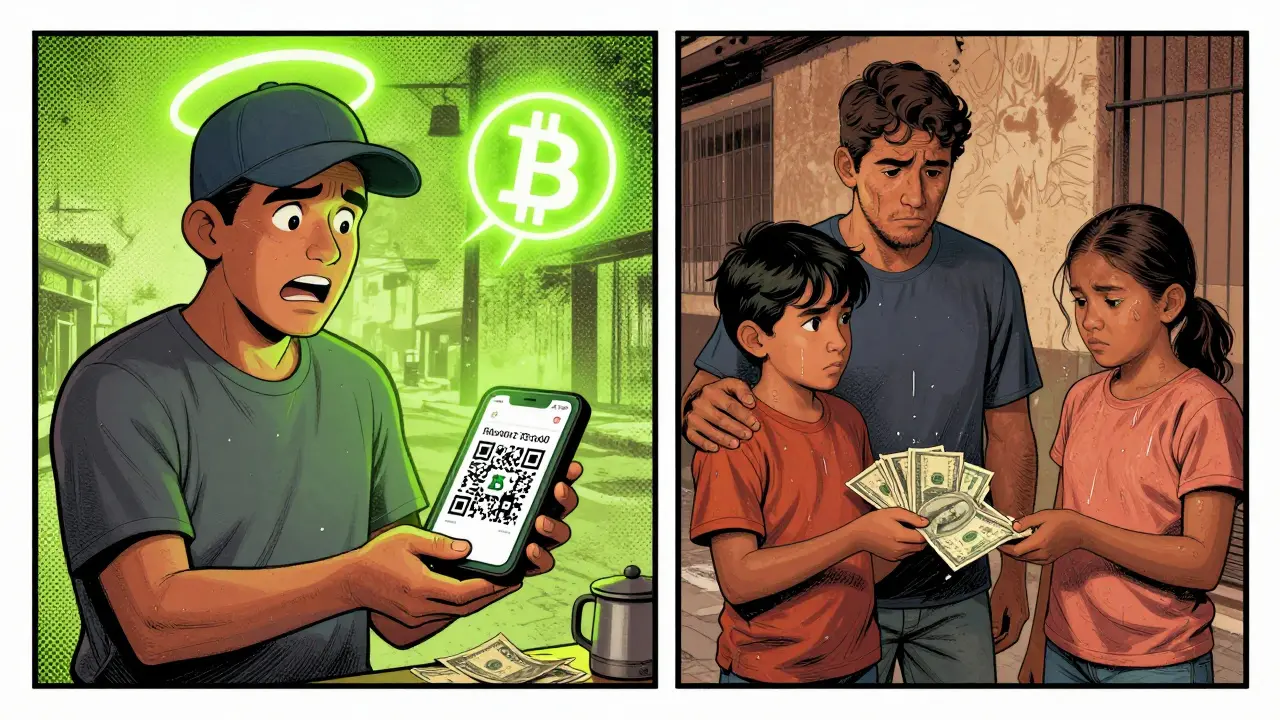
What’s Left Now?
Bitcoin isn’t illegal. It’s just not legal tender anymore. Businesses can still accept it. People can still use Chivo Wallet. The government still buys Bitcoin. The Bitcoin City project? Still on the drawing board. The Volcano Bonds? Still being pitched. The real shift? From forcing adoption to allowing it. No more mandates. No more penalties for refusing Bitcoin. Just freedom - for merchants, for users, for the market to decide. And the results? A quieter, more realistic experiment. Businesses still take Bitcoin because some customers ask for it. Parents still get remittances in dollars. But the government no longer pretends Bitcoin is replacing the dollar. It’s a tool. A backup. A bet.The Bigger Picture: A Warning or a Blueprint?
Other countries watched closely. Some called it reckless. Others called it brave. Brazil, Nigeria, and Argentina have all explored crypto-friendly policies. But none went as far as El Salvador. And none faced the same pressure. The lesson? Technology alone doesn’t fix economics. You can’t just slap a blockchain on a broken system and expect miracles. Financial inclusion needs trust, stability, and education. Not just free Bitcoin. El Salvador didn’t lose because Bitcoin failed. It lost because the world wasn’t ready for a country to go all-in on a volatile asset. The experiment showed that people want cheaper, faster money. But they don’t want to gamble with their rent, groceries, or kids’ school fees.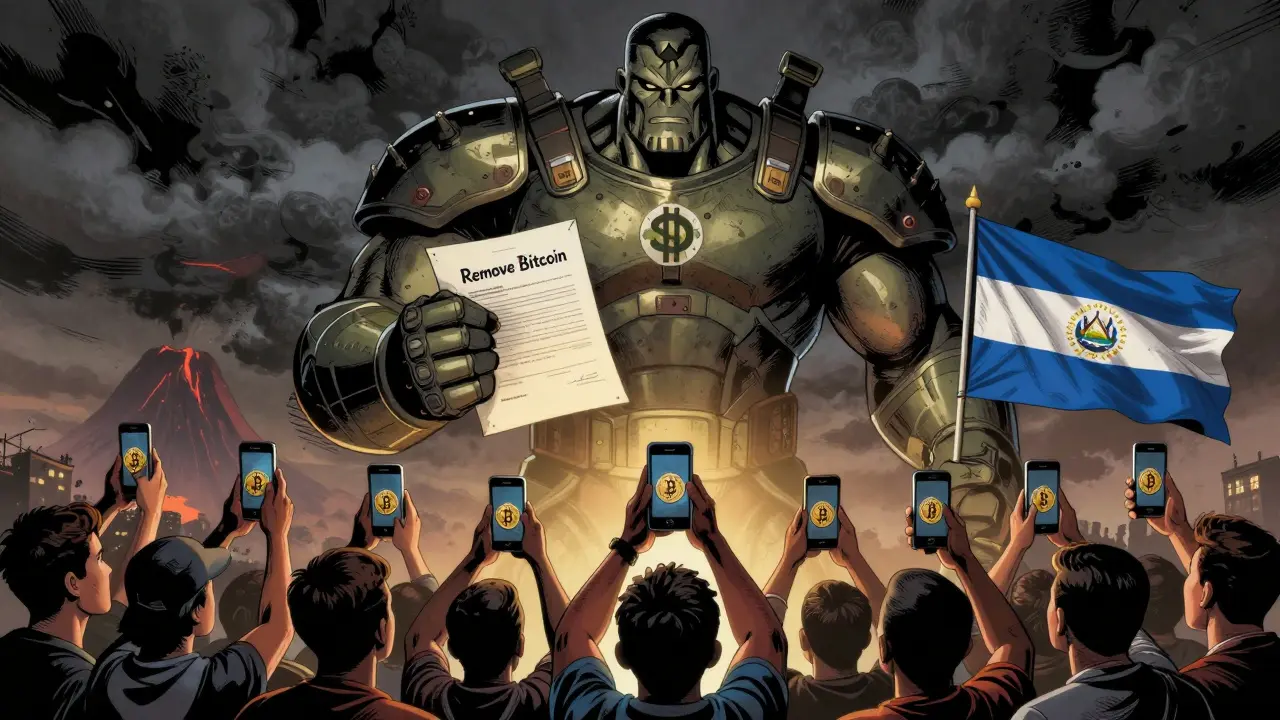
What’s Next for El Salvador?
The country still hosts crypto events. The PLANB Forum 2025 drew thousands. Startups are building Bitcoin-based tools. Developers are working on Lightning Network integrations. The government is quietly investing in blockchain infrastructure - not to replace banks, but to complement them. El Salvador’s real legacy? It proved that a small nation can challenge the global financial system. It forced the world to ask: Is the dollar really the only option? Are banks the only way to send money? Is there another path? The answer isn’t Bitcoin as legal tender. But it might be Bitcoin as an option. A choice. A tool for the underbanked - used when it helps, ignored when it doesn’t.Did It Work?
If your goal was to make Bitcoin the main currency? No. It didn’t work. If your goal was to spark a global conversation about money, inclusion, and autonomy? Then yes. It worked better than anyone expected. El Salvador didn’t change the world’s money. But it changed how we think about it.Why did El Salvador make Bitcoin legal tender?
El Salvador made Bitcoin legal tender in 2021 to help the 70% of its population without bank accounts, reduce high remittance fees (which cost up to 15% per transaction), and reduce dependence on the U.S. dollar. The goal was to create a more inclusive financial system using blockchain technology.
How many Salvadorans actually use Bitcoin daily?
Very few. Despite 82% of businesses accepting Bitcoin by 2025, only about 1% of remittances were sent or received using Bitcoin. Most people received the free Bitcoin from the Chivo Wallet and immediately cashed out. The volatility made it risky to hold, and many didn’t trust it as a stable store of value.
What happened to the Chivo Wallet?
The Chivo Wallet is still active, with over 4 million downloads. But its role changed. It’s no longer the government’s mandatory payment system. It’s now a voluntary tool for those who want to send or receive Bitcoin. The government no longer pushes it as the primary way to pay.
Did the IMF stop El Salvador from using Bitcoin?
No. The IMF didn’t ban Bitcoin. It required El Salvador to remove Bitcoin’s legal tender status as a condition for a $1.4 billion loan. The government complied in January 2025. Bitcoin is still legal to use privately - businesses and individuals can still accept or trade it. But it’s no longer equal to the dollar in law.
Is El Salvador still buying Bitcoin?
Yes. As of March 2025, the government’s Strategic Bitcoin Reserve Fund held 6,102 BTC - worth roughly $500 million. The country kept buying Bitcoin even after removing its legal tender status, signaling that it still believes in Bitcoin’s long-term value as a reserve asset, not as everyday money.
What’s the future of Bitcoin in El Salvador?
El Salvador’s future with Bitcoin is as a private-sector tool, not a national currency. The government is no longer forcing adoption. Instead, it’s supporting infrastructure - like the Lightning Network - and hosting crypto events to attract tech investment. Bitcoin will likely remain an option for remittances, tourism, and international trade, but the dollar will stay the main currency for daily life.
 Cryptocurrency Guides