Living in a country with strict international banking restrictions changes how you think about money. For the over 11 million Iranians using cryptocurrency, digital assets aren't just an investment-they are a lifeline to the global economy. But navigating this landscape in 2026 is tricky. You have to balance access with safety, especially after the massive shifts we saw in late 2025.
You might be wondering if you can still trade safely. The short answer is yes, but the rules of the game have changed. Between the $90 million hack on Nobitex and Tether freezing dozens of addresses linked to Iran, you need to know exactly which platforms are reliable and which ones carry too much risk. This guide breaks down your options, from domestic giants to international alternatives that actually work for residents in Tehran or Isfahan.
The Domestic Giant: Understanding Nobitex
If you live in Iran, you’ve likely heard of Nobitex. It is the largest cryptocurrency exchange operating within Iran, handling the vast majority of local trading volume. As of 2025, it dominated the market, processing more than 87% of all crypto transactions inside the country. For many users, it’s the go-to spot because it supports Rial deposits directly, making it incredibly convenient for everyday purchases.
However, convenience comes with significant risks. In June 2025, Nobitex suffered a catastrophic security breach. Hackers stole over $90 million in various cryptocurrencies. This wasn’t just a glitch; it exposed deep vulnerabilities in the platform’s infrastructure. More concerning for regular users was the context surrounding the hack. Blockchain analysts linked parts of Nobitex’s transaction flows to networks associated with the IRGC (Islamic Revolutionary Guard Corps).
Why does this matter to you? Because it puts a target on your back. When international regulators look at Iranian crypto activity, they often trace it back to Nobitex. If your funds are tied to an entity under heavy scrutiny, your assets could be frozen or restricted without warning. While Nobitex remains the most accessible option for buying Bitcoin or Ethereum with Rials, relying on it as your only storage solution is dangerous. Use it for trading, but move your assets out quickly.
International Exchanges That Accept Iranian Users
Many Iranians prefer international exchanges for better security, lower fees, and access to a wider range of tokens. However, most major platforms like Binance or Coinbase strictly ban users from sanctioned jurisdictions. So, where do you go? Several mid-tier exchanges have adopted a more flexible approach, though they come with their own set of caveats.
| Exchange | Min. Deposit | Supported Coins | Spot Maker Fee | Key Feature |
|---|---|---|---|---|
| MEXC | $30 | 196+ | 0.2% | No strict KYC for small accounts |
| Bitsgap | $0 | 673+ | Varies | Trading bot automation |
| XT.com | $10 | 1,010+ | 0.2% | Wide altcoin selection |
| KuCoin | Low | 700+ | 0.1% | User-friendly interface |
| CoinEx | $1 | 475+ | 0.49% | Staking and savings |
MEXC has emerged as a top choice for many Iranian traders. It offers a low barrier to entry with a $30 minimum deposit and competitive fees. Crucially, it has been less aggressive in enforcing KYC (Know Your Customer) requirements for smaller accounts compared to its Western competitors. This allows users to trade with a degree of anonymity, although this could change at any time.
KuCoin is another popular option, often praised for its beginner-friendly interface and extensive list of low-cap altcoins. It provides easy fiat deposit methods through third-party partners, which can be useful if you have access to foreign currency cards. However, be aware that KuCoin periodically updates its compliance policies, so always check their latest terms of service regarding restricted countries.
For those interested in automated trading, Bitsgap is worth considering. It doesn’t hold your funds directly in the same way a traditional exchange does; instead, it connects to other exchanges via API keys. This means your assets remain on the underlying exchange, adding a layer of security. Bitsgap charges no minimum deposit, making it accessible for testing strategies before committing large sums.
The USDT Freeze and the Shift to DAI
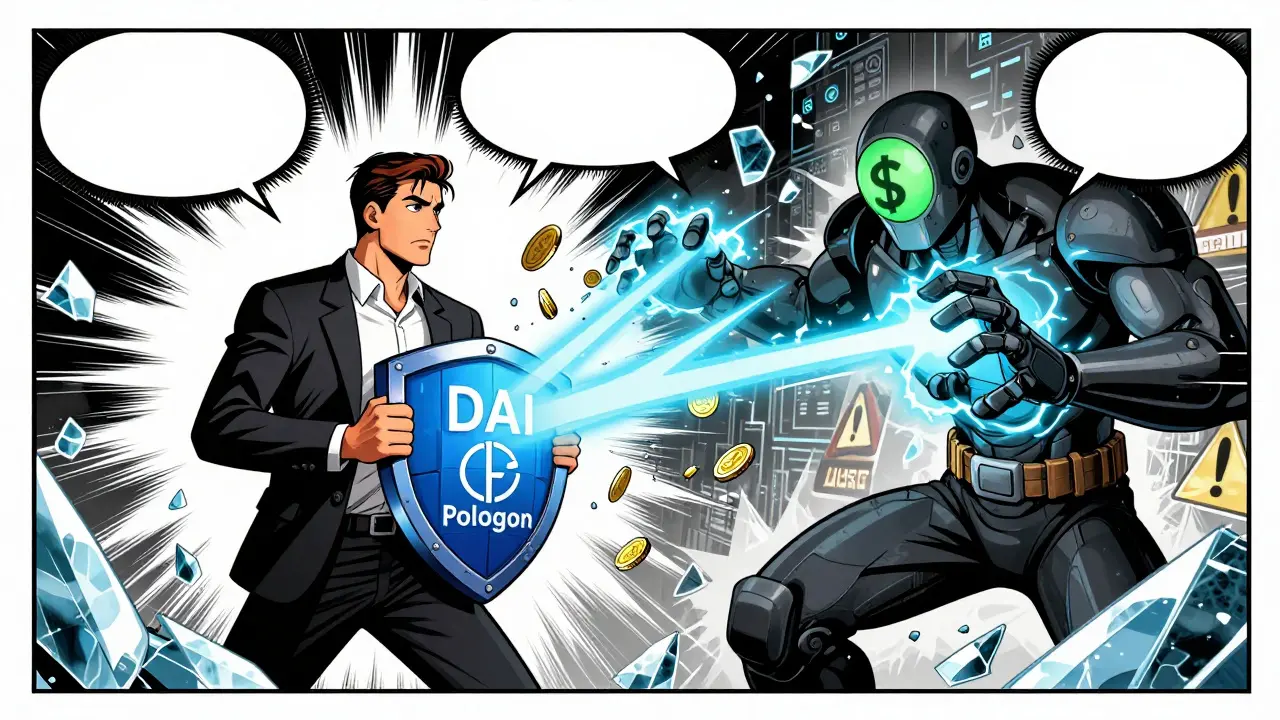
In July 2025, the landscape shifted dramatically when Tether, the issuer of USDT (Tether), executed its largest-ever freeze of Iranian-linked funds. They targeted 42 specific cryptocurrency addresses, many of which had substantial exposure to Nobitex. This wasn’t just a minor disruption; it shook confidence in holding stablecoins on centralized platforms.
If you were holding USDT on an exchange connected to these flagged addresses, your funds could become inaccessible overnight. This event taught a hard lesson: liquidity isn’t guaranteed if your counterparty is under sanctions pressure. In response, many Iranian users rapidly diversified their settlement methods. There was a noticeable migration away from USDT toward DAI, a decentralized stablecoin.
Why DAI? Unlike USDT, which is issued by a centralized company subject to US regulatory pressure, DAI is governed by a decentralized protocol. Users began swapping their holdings into DAI via the Polygon network. Polygon offers faster transaction speeds and significantly lower fees compared to Ethereum mainnet, making it practical for daily transactions. This shift demonstrates the agility of the Iranian crypto community-adapting to external pressures by moving to more resilient, censorship-resistant tools.
Regulatory Changes: The New Tax Law
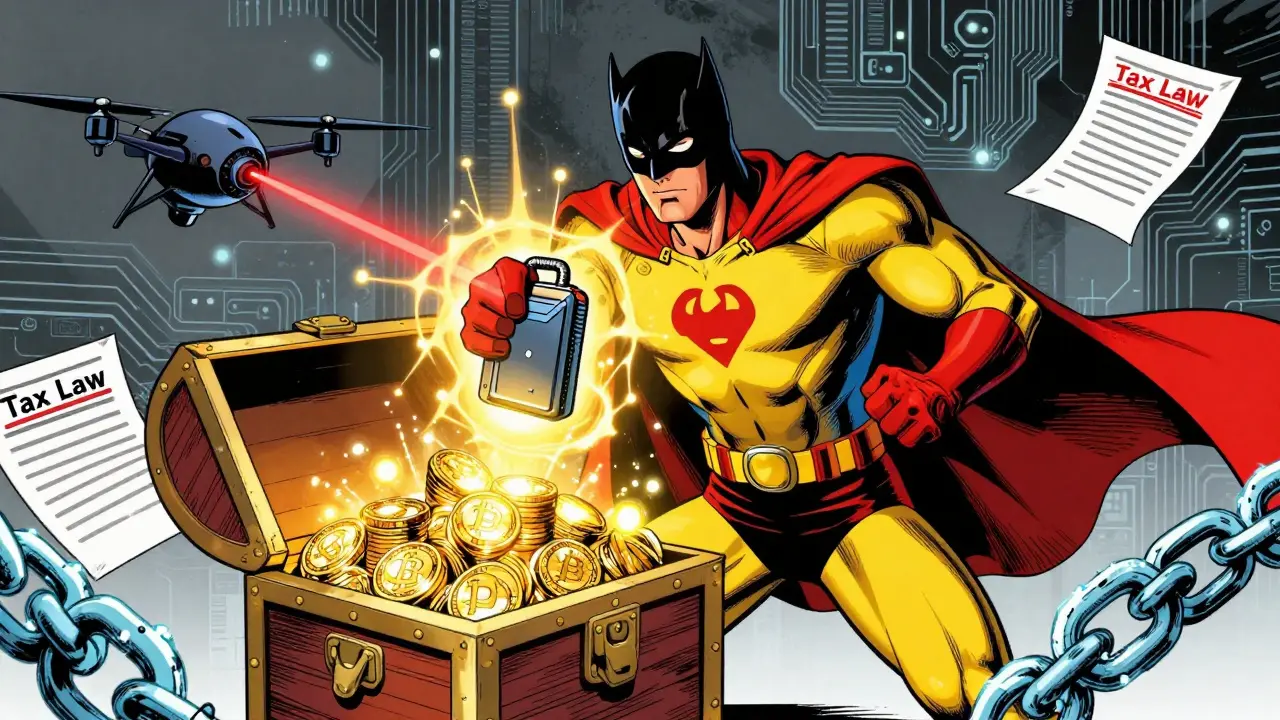
It’s not just international sanctions affecting your trading; domestic regulations are tightening too. In August 2025, the Iranian government enacted the Law on Taxation of Speculation and Profiteering. This legislation marked a turning point, imposing capital gains tax on cryptocurrency trading for the first time.
Previously, crypto existed in a gray area. Now, it is treated similarly to gold, real estate, and forex. The government intends to formally regulate and tax digital asset markets. While the implementation is phased to allow the market to adapt, you should expect stricter reporting requirements from domestic exchanges like Nobitex in the coming months. This means keeping accurate records of your trades is no longer optional-it’s a legal necessity.
Safety First: Protecting Your Assets
Given the volatility and regulatory risks, how do you protect yourself? Here are some practical steps every Iranian crypto user should take in 2026:
- Use Non-Custodial Wallets: Never leave large amounts of crypto on an exchange. Use hardware wallets like Ledger or Trezor, or reputable software wallets like Trust Wallet or MetaMask. You control the keys, so no one can freeze your assets.
- Diversify Stablecoins: Don’t rely solely on USDT. Keep a portion of your stablecoin holdings in DAI or USDC (if accessible) to mitigate the risk of centralized freezes.
- Verify Exchange Policies: Before depositing funds, read the latest Terms of Service for any international exchange. Look for sections on "Restricted Jurisdictions." If Iran is listed, avoid the platform.
- Enable Two-Factor Authentication (2FA): Use an authenticator app like Google Authenticator or Authy. Avoid SMS-based 2FA, as SIM swapping attacks are common.
- Stay Informed: Follow trusted crypto news sources and community channels. The landscape changes fast, and being informed is your best defense against scams and sudden policy shifts.
Conclusion: Navigating the Gray Area
Trading crypto as an Iranian citizen in 2026 requires vigilance. You have options, from the convenience of Nobitex to the broader features of MEXC and KuCoin. But each comes with trade-offs. Domestic exchanges offer ease of use but carry higher security and political risks. International platforms provide better tools and security but may restrict your account at any moment due to sanctions enforcement.
The key is to stay agile. Use multiple platforms, keep your assets in self-custody whenever possible, and adapt to new stablecoin trends like DAI on Polygon. By understanding the risks and taking proactive steps, you can continue to participate in the global crypto economy safely and effectively.
Can I use Binance if I am in Iran?
No, Binance strictly prohibits users from Iran due to international sanctions. Attempting to bypass these restrictions using VPNs or false information can lead to immediate account suspension and loss of funds. It is safer to use exchanges that explicitly tolerate or do not block Iranian IP addresses, such as MEXC or KuCoin, though you should always verify their current policies.
Is Nobitex safe to use in 2026?
Nobitex is the most accessible exchange for Iranian users, but it carries significant risks. After the $90 million hack in 2025 and its association with sanctioned entities, it is advisable to use Nobitex only for trading and immediately withdraw your assets to a personal wallet. Do not store large long-term holdings on the platform.
Why did Tether freeze Iranian addresses?
Tether froze addresses linked to Iran to comply with international sanctions and prevent money laundering. In July 2025, they targeted 42 addresses with connections to Nobitex and IRGC-affiliated networks. This action highlights the risk of holding centralized stablecoins like USDT if your transaction history is flagged.
What is the best stablecoin for Iranians now?
Following the USDT freezes, many Iranian users have shifted to DAI, a decentralized stablecoin. Using DAI on the Polygon network offers lower fees and greater resistance to censorship compared to centralized options like USDT. It is considered a safer alternative for preserving value without risking centralization-related freezes.
Do I have to pay taxes on crypto in Iran?
Yes, as of August 2025, Iran implemented the Law on Taxation of Speculation and Profiteering, which includes capital gains tax on cryptocurrency trading. You are required to report your profits and pay taxes similar to those on gold or forex. Failure to comply can result in penalties, so keep detailed records of your transactions.
 Cryptocurrency Guides