
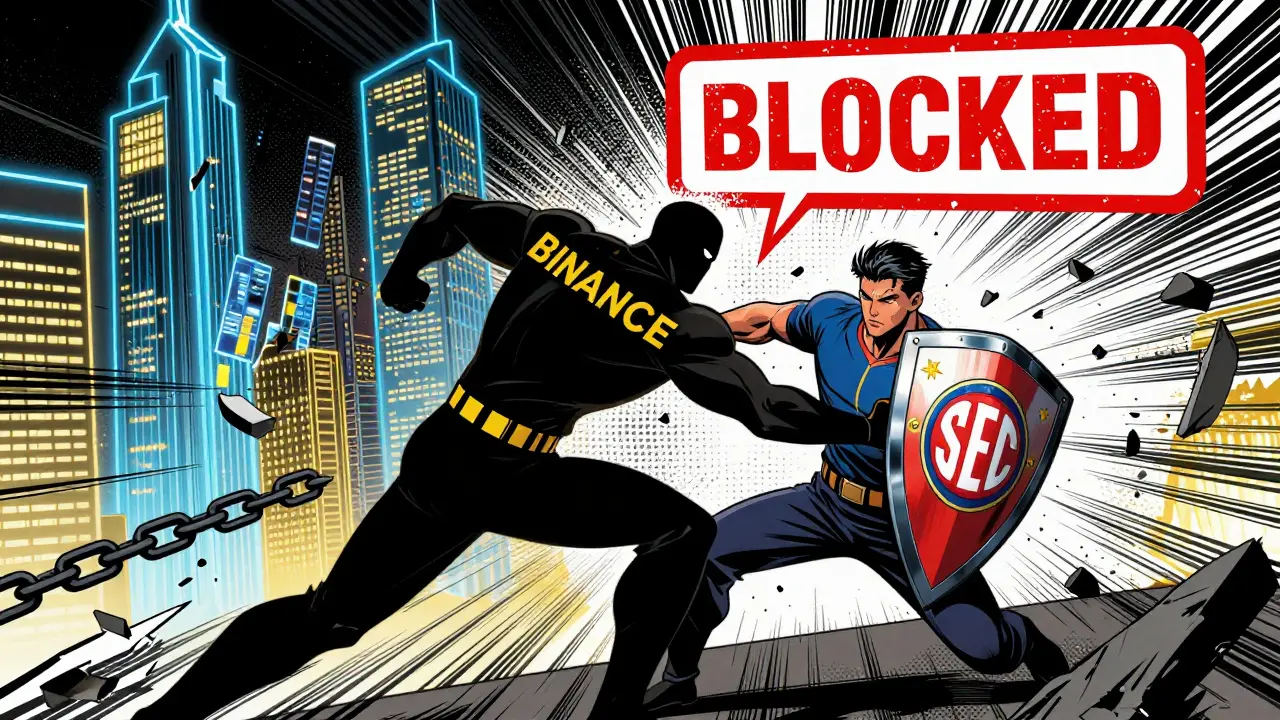
If you are a cryptocurrency trader in the Philippines, your landscape changed dramatically over the last two years. The days of unrestricted access to global exchanges like Binance are over. Since March 2024, Binance has been completely blocked from operating within the country. Now, with new regulations taking full effect in mid-2025, other major platforms including potentially Bitget face similar scrutiny. This is not just about one company; it is about a complete overhaul of how digital assets are regulated in Southeast Asia.
You might be wondering if you can still trade, what happens to your funds, or whether using a VPN is safe. The short answer is that the regulatory environment has tightened significantly. The Securities and Exchange Commission (SEC) of the Philippines has moved from warnings to hard enforcement. Understanding these changes is critical to protecting your capital and staying on the right side of the law.
The Fall of Binance in the Philippines
To understand where we stand today, we have to look at what happened with Binance. It was the biggest name in the game for many Filipino investors. However, its presence ended abruptly. In November 2023, the Philippine SEC issued a warning that Binance was not authorized to operate without proper licensing. This was not an empty threat. By late March 2024, the SEC worked with the National Telecommunication Commission (NTC) to block access to Binance’s website and trading platform entirely.
The SEC stated clearly that they were moving to block the platform to safeguard the public from unregistered investment products. For users, this meant being locked out of their accounts unless they withdrew their funds quickly. The authorities gave users a 90-day window to exit the platform before the complete blocking occurred. This set a dangerous precedent: if you are on an unlicensed exchange, you could lose access to your money overnight.
Binance’s troubles in the Philippines were part of a larger global pattern. Prior to the Philippines enforcement, Binance had already faced bans or restrictions in 17 other countries. Later in 2024, the exchange faced a historic $4.3 billion settlement with the US Department of Treasury for violating anti-money laundering laws. These global pressures made it impossible for Binance to maintain a compliant footprint in every market, leading to their exit from several jurisdictions including the Netherlands, Nigeria, and Canada.
New Rules: The CASP Framework Takes Effect
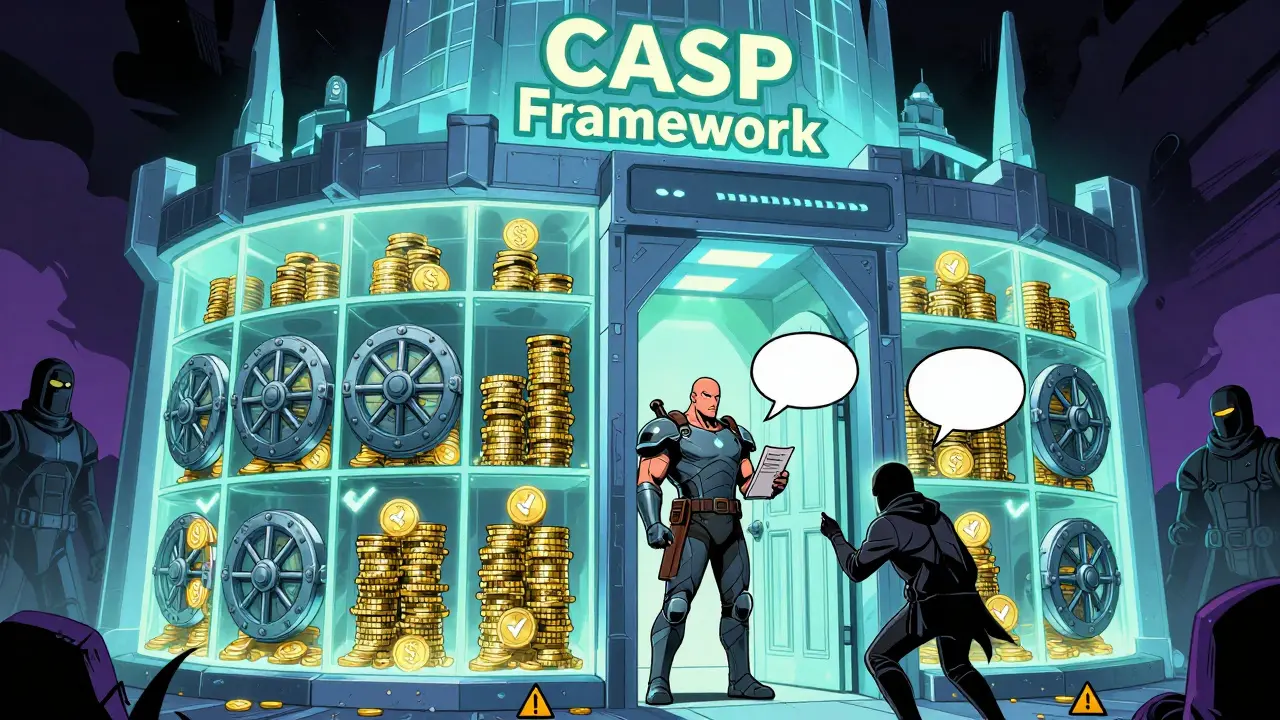
The real shift happened in May 2025. The SEC introduced Memorandum Circular No. 4 and No. 5, creating the first comprehensive Crypto Asset Service Provider (CASP) framework in the Philippines. These rules officially took effect on July 5, 2025. This framework changes everything for anyone wanting to offer crypto services in the country.
Under the CASP framework, all cryptocurrency service providers must register as domestic corporations. This is a high barrier to entry. Here are the key requirements:
- Minimum Capital: Companies must have a minimum capital requirement of 100 million pesos (approximately $1.8 million USD).
- Physical Presence: They must maintain physical offices within the Philippines.
- Reporting: Detailed monthly financial reports must be submitted to regulators.
- Fund Segregation: Strict separation of customer funds from company assets is mandatory. This prevents losses when exchanges collapse, addressing failures seen globally.
These rules are designed to protect investors. When an exchange holds your money in the same account as its operating costs, you are at risk if the company goes bankrupt. The new rules force companies to keep your money separate. However, this also means that international giants who do not want to set up local subsidiaries cannot legally serve Filipino customers.
Is Bitget Restricted?
This is the question on everyone's mind. While Binance was explicitly named and blocked, the situation with Bitget is more nuanced but equally risky. As of early 2026, Bitget is not explicitly mentioned in the initial enforcement documentation that targeted ten other major exchanges like OKX, Bybit, KuCoin, and Kraken. However, the regulatory framework applies universally.
If Bitget does not have a registered domestic corporation in the Philippines meeting the CASP requirements, it is operating illegally. The SEC’s August 2025 advisory targeted ten major exchanges for lacking licenses. If Bitget is not among the licensed few, it falls under the same umbrella of 'unauthorized operators.' The enforcement follows the Binance precedent: warn, then block. Just because Bitget is accessible today does not mean it will be tomorrow. Authorities have signaled they are systematically targeting all major international exchanges serving Philippine users without proper domestic registration.
| Exchange | Status | Key Risk Factor |
|---|---|---|
| Binance | Banned/Blocked | Complete operational ban since March 2024; active enforcement against promoters. |
| Bitget | Unlicensed (Potential Target) | Not explicitly banned yet, but lacks CASP license; subject to future blocking. |
| OKX / Bybit / KuCoin | Targeted/Advised Against | Named in August 2025 SEC advisory for operating without licenses. |
| Licensed Local Exchanges | Compliant | Meet CASP requirements; safe for legal trading. |
The Danger of Using VPNs
Many users try to bypass these blocks using Virtual Private Networks (VPNs). VPN services actively market themselves to Filipinos, claiming they can help you 'evade regional barriers' and 'trade securely on Binance.' Technically, this works. You mask your IP address and connect to a server in a country where the exchange is available. But legally, this is a minefield.
Using a VPN to access a banned platform operates in a legal gray area. The SEC has stated broadly that individuals acting as agents or enablers of the Binance platform may be held criminally liable. While this language primarily targets influencers and recruiters, the spirit of the law discourages any engagement with unregistered entities. More importantly, if you use a VPN and the exchange freezes your account or gets hacked, you have no legal recourse. You broke the terms of service by using a VPN, and you violated local regulations by accessing a banned site. You are entirely on your own.
Penalties for Non-Compliance
The government is not playing around with penalties. Under the new CASP framework, companies violating the rules face substantial financial penalties. Fines range from 50,000 to 10 million pesos per violation. Additionally, there are daily penalties of 10,000 pesos for ongoing violations. This creates a strong incentive for exchanges to either comply fully or leave the market.
For individual users, the risk is less about fines and more about asset safety. Trading on unlicensed platforms means your funds are not protected by Philippine consumer protection laws. If the exchange collapses, disappears, or is blocked again, recovering your money is nearly impossible. The SEC’s goal is to move all trading activity to licensed, transparent platforms where customer funds are segregated and audited.

Regional Context: A Southeast Asian Crackdown
The Philippines is not alone in this crackdown. This is part of a broader trend across Southeast Asia. Thailand’s SEC ordered the blocking of five crypto exchanges, including Bybit and OKX, in May 2025 as part of anti-money laundering efforts. Indonesia simultaneously tightened crypto tax policies, increasing rates on offshore platform trades from 0.2% to 1%. This coordinated regional approach suggests sustained regulatory pressure on unlicensed international exchanges.
Global exchanges are finding it harder to operate in emerging markets without heavy compliance costs. The era of wild west crypto trading in Asia is ending. Regulators are prioritizing investor protection and financial stability over convenience. For traders, this means adapting to local, licensed options or facing the risk of losing access to their investments.
What Should You Do Now?
If you are currently holding assets on Binance or other unlicensed exchanges like Bitget, take action immediately. Do not wait for the next advisory. Withdraw your funds to a personal wallet that you control, or transfer them to a licensed Philippine exchange. Keep records of all transactions. Avoid engaging with social media promoters who encourage you to stay on banned platforms-they could be exposing you to criminal liability.
Look for exchanges that are registered under the CASP framework. These platforms will have physical offices in the Philippines and meet the capital requirements. While they may have fewer features or higher fees than their global counterparts, they offer legal security. Your peace of mind is worth more than the occasional low fee offered by an offshore giant.
Is Binance completely banned in the Philippines?
Yes. Binance has been completely blocked from operating in the Philippines since March 2024. The SEC and NTC collaborated to block access to its website and trading platform. Users were given 90 days to withdraw funds before the block went into effect. Accessing it now via VPN is illegal and risky.
Is Bitget restricted in the Philippines?
Bitget is not explicitly banned yet, but it is likely operating without a license under the new CASP framework. The SEC has targeted other major exchanges like OKX and Bybit for lack of authorization. If Bitget does not have a registered domestic entity, it faces potential blocking in the future. Trading on it carries significant regulatory risk.
What is the CASP framework?
The Crypto Asset Service Provider (CASP) framework is a set of regulations introduced by the Philippine SEC in May 2025, effective July 2025. It requires all crypto service providers to register as domestic corporations, hold at least 100 million pesos in capital, maintain local offices, and segregate customer funds from company assets.
Can I use a VPN to access Binance?
Technically yes, but legally no. Using a VPN to access a banned platform violates the terms of service of the exchange and potentially local regulations. The SEC has warned that enablers of banned platforms can face criminal liability. Moreover, if issues arise with your account, you will have no legal recourse to recover your funds.
Which exchanges are safe to use in the Philippines?
Only exchanges that are registered under the CASP framework are considered safe and legal. These platforms must have physical offices in the Philippines and meet strict capital and reporting requirements. Always check the SEC’s list of licensed crypto asset service providers before depositing funds. Avoid unlicensed international platforms like Binance, OKX, and Bybit.
What are the penalties for unlicensed crypto operations?
Companies operating without a CASP license face fines ranging from 50,000 to 10 million pesos per violation. There are also daily penalties of 10,000 pesos for ongoing violations. For individuals, the primary risk is loss of funds and potential criminal liability if they act as promoters or agents for banned platforms.
 Cryptocurrency Guides