
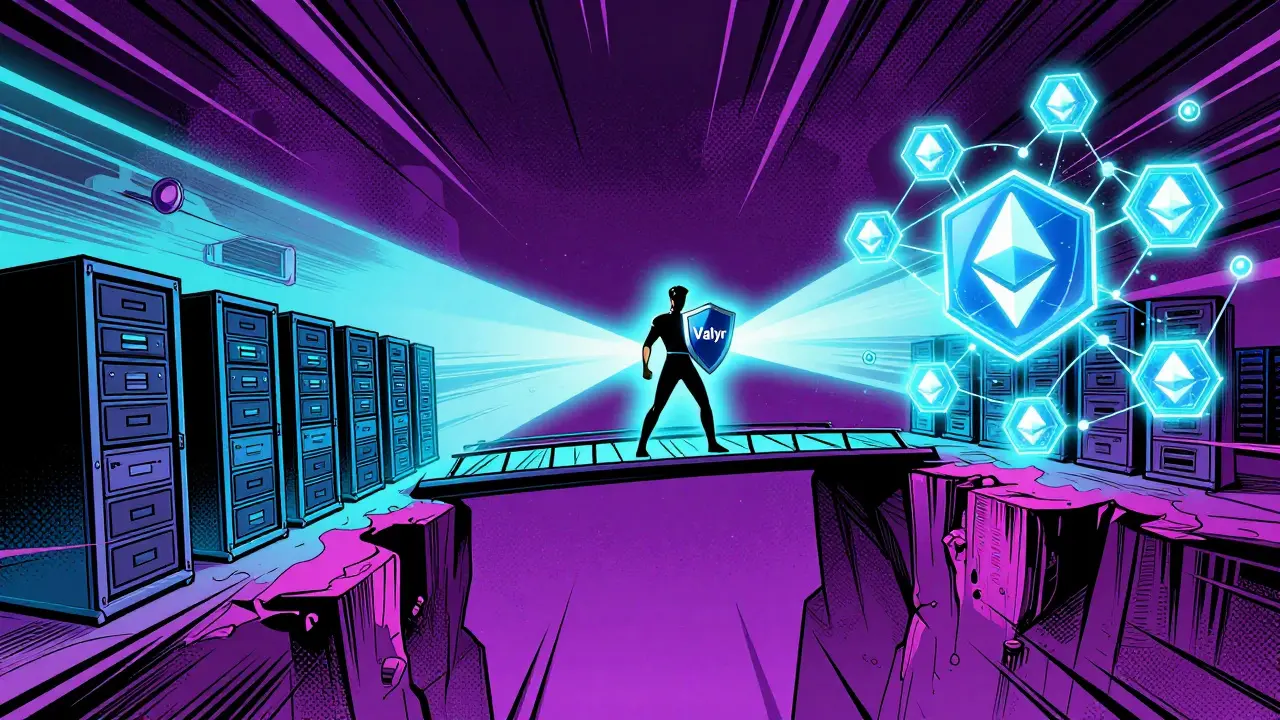
The Problem: Stuck Between Two Worlds
You have a great software application. Maybe it’s a subscription-based tool, an API that processes data, or a microservice handling payments. It works perfectly on the traditional internet. But you want a piece of the Web3 action. You want your users to pay in crypto, or you want to tokenize your service so it can be used in decentralized finance (DeFi) strategies. The problem? Moving from off-chain software to on-chain blockchain infrastructure is incredibly hard. It requires deep knowledge of smart contracts, gas fees, and complex coding.
This is where Valyr, also known as VALYR, comes in. Valyr is not just another meme coin or a speculative asset. It is the native token of a platform designed to bridge the gap between traditional digital services and the blockchain economy. Think of it as a translation layer that lets your regular software speak the language of Ethereum.
Quick Summary / Key Takeaways
- What it is: Valyr (VALYR) is the utility token for a Web3 tokenization infrastructure platform built on Ethereum.
- Main Function: It enables businesses to turn off-chain SaaS apps, APIs, and digital assets into on-chain, monetizable blockchain entities.
- Token Supply: There is a fixed maximum supply of 1 billion VALYR tokens, with nearly all currently circulating.
- Market Context: As of May 2026, VALYR trades on exchanges like Bybit and Crypto.com but shows low liquidity and high price volatility.
- Risk Level: High. This is early-stage infrastructure technology with limited public data on audits, team identity, and long-term adoption.
How Valyr Works: Bridging Off-Chain and On-Chain
To understand why someone would care about VALYR, you need to understand the concept of tokenization. In simple terms, tokenization means representing a real-world asset or service as a digital token on a blockchain. Usually, this applies to physical things like real estate or gold. Valyr takes a different approach. It focuses on digital assets.
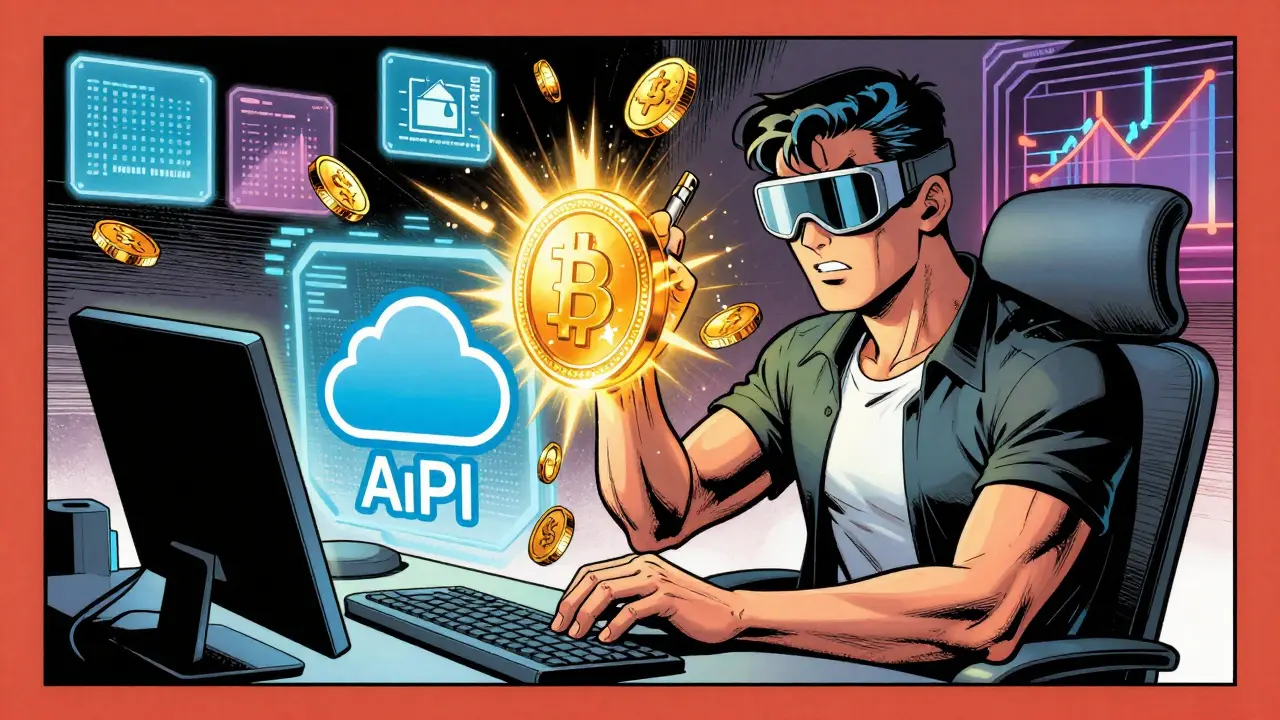
Imagine you run a weather data API. Companies pay you monthly for access. With Valyr’s infrastructure, you can wrap that API access into a smart contract. Now, instead of charging credit cards, you charge crypto. More importantly, other DeFi protocols can use your weather data directly within their automated trading bots because the data source is now "on-chain."
The platform provides a user-friendly engine that handles the heavy lifting. Developers don’t need to write complex Solidity code from scratch. They use Valyr’s tools to list their applications, track usage, and manage revenue streams. The VALYR token acts as the fuel for this ecosystem. It likely facilitates transactions, pays for processing power, or serves as a staking mechanism to incentivize network participants.
Tokenomics: Supply and Distribution
When evaluating any cryptocurrency, the numbers matter. Here is the breakdown for VALYR based on current market data:
- Total Supply: 1,000,000,000 (1 Billion) VALYR
- Maximum Supply: 1,000,000,000 (1 Billion) VALYR
- Circulating Supply: Approximately 999.62 million VALYR
- Blockchain: Ethereum (ERC-20 standard)
The fact that over 99% of the total supply is already in circulation is significant. It means there is very little room for new inflation. The value of the token depends entirely on demand rather than new issuance. However, it also means that if large holders (whales) decide to sell, the price could drop sharply because there are no new tokens being minted to absorb the selling pressure.
The smart contract address begins with 0x8A85...31f7f4. Always verify this address on a block explorer like Etherscan before interacting with the token to avoid scams.
Market Reality: Price, Liquidity, and Volatility
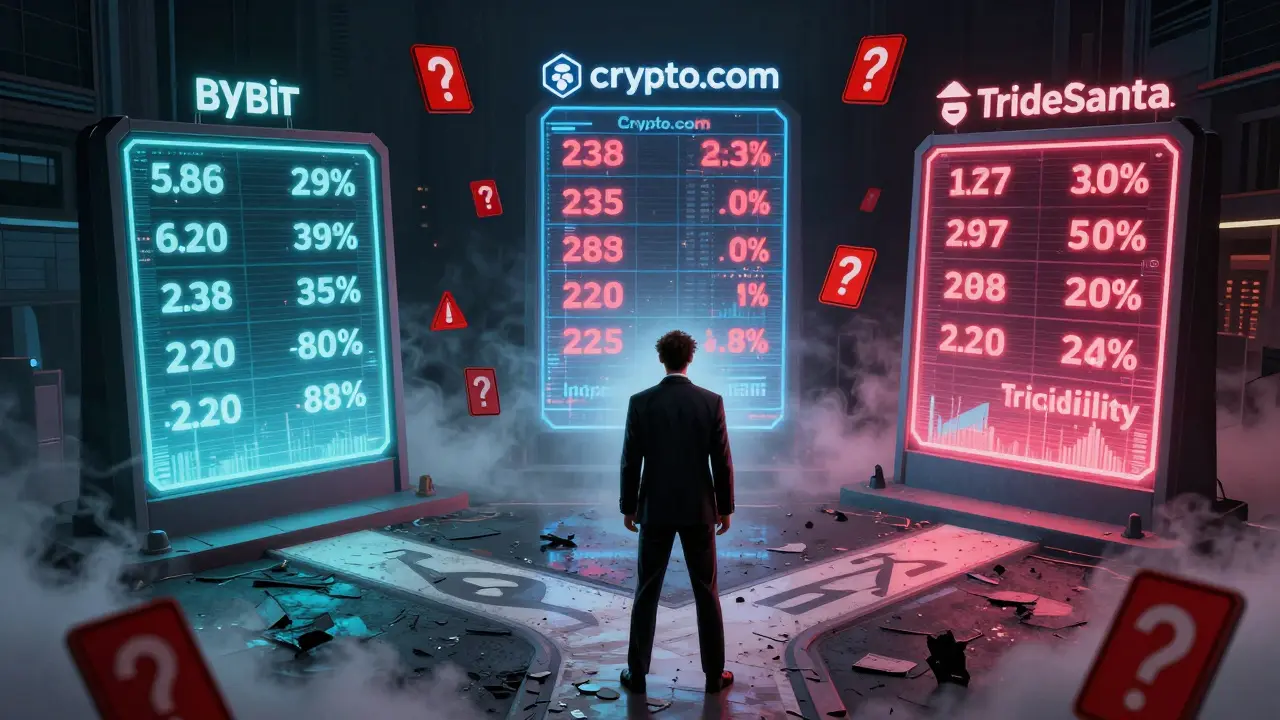
Let’s talk about the money side. As of May 2026, VALYR is traded on several platforms including Bybit, Crypto.com, MEXC, and TradeSanta. However, the data reveals a critical issue: extreme fragmentation and low liquidity.
| Exchange | Listed Price (USD) | 24h Volume (USD) | Liquidity Status |
|---|---|---|---|
| Bybit | $0.00001023 | N/A | Low |
| Crypto.com | $0.0000218 | N/A | Low |
| TradeSanta | $0.00000724 | $3.85 | Very Low |
Notice the price difference. On TradeSanta, one token costs less than half a penny ($0.000007), while on Crypto.com, it’s almost three times higher ($0.000021). This isn’t just normal spread; it indicates a lack of arbitrage efficiency due to tiny trading volumes. A daily volume of $3.85 on one platform means you cannot buy or sell significant amounts without moving the price drastically. This makes VALYR highly risky for anyone looking to invest more than a small speculative amount.
Who Is Valyr For?
Valyr isn’t really aimed at retail investors looking for quick flips. Its target audience includes:
- SaaS Startups: Companies wanting to modernize their payment models by accepting crypto without building their own blockchain backend.
- Developers: Coders who want to integrate real-world data feeds into DeFi protocols easily.
- Protocol Builders: Teams creating decentralized applications that need reliable, monetizable off-chain services.
For these groups, Valyr offers a shortcut. Instead of hiring a team of blockchain engineers to build a custom tokenization solution, they plug into Valyr’s existing infrastructure.
Missing Information and Red Flags
If you are considering investing in VALYR, you must acknowledge what we *don’t* know. In the world of crypto, transparency is currency. Currently, there is a notable absence of key information:
- Team Identity: The founding team members are not publicly detailed in mainstream sources. Do they have a track record? Are they doxxed (publicly identified)?
- Security Audits: There is no widely available information about independent security audits of the Valyr smart contracts. Without audits, the risk of bugs or exploits remains unknown.
- Governance: How are decisions made? Is it a centralized company or a decentralized autonomous organization (DAO)? The role of the VALYR token in governance is unclear.
- Adoption Metrics: How many actual companies are using Valyr to tokenize their services? There are no public case studies or usage statistics.
This lack of data doesn’t mean the project is bad, but it does mean it is unproven. You are betting on the potential of the technology, not on proven results.
Valyr vs. Other Tokenization Platforms
Valyr operates in a niche sector. It competes with broader blockchain infrastructure providers and specialized RWA (Real World Asset) platforms. Here is how it compares conceptually:
| Feature | Valyr (VALYR) | Traditional RWA Platforms (e.g., Centrifuge) | General Smart Contract Platforms (e.g., Ethereum) |
|---|---|---|---|
| Primary Focus | Digital Services (SaaS/APIs) | Physical Assets (Real Estate/Invoices) | General Purpose Computing |
| Technical Barrier | Lower (Abstracted Engine) | High (Legal + Tech) | Very High (Coding Required) |
| Maturity | Early Stage | Established | Mature |
| Token Utility | Platform Access/Staking | Collateral/Governance | Gas Fees |
Unlike platforms that focus on physical assets, which require legal compliance and oracle networks to verify real-world events, Valyr focuses on digital-native assets. This simplifies the legal framework but introduces technical challenges in verifying that the off-chain service is actually functioning as promised.
Next Steps and Due Diligence
If you want to engage with VALYR, whether as a user of the platform or an investor, follow these steps:
- Check Official Channels: Look for the official Valyr website and GitHub repository. Check for recent commits. An active codebase is a good sign of development progress.
- Verify Contracts: Use Etherscan to look up the contract address. Check if it has been verified and if there are any warnings associated with it.
- Assess Liquidity: Before buying, check the order books on exchanges like Bybit or MEXC. If the spread between buy and sell orders is wide, expect slippage when trading.
- Monitor News: Follow Valyr’s social media presence for announcements regarding partnerships, audits, or major integrations. These events often drive price action.
Remember, the crypto market is volatile. A token with a market cap under $10,000 can double or halve in value in a single day based on a single trade. Only allocate funds you can afford to lose.
Is Valyr (VALYR) a safe investment?
No cryptocurrency investment is guaranteed safe. VALYR carries high risk due to its low liquidity, fragmented pricing across exchanges, and lack of public security audits or detailed team information. It should only be considered for speculative portfolios with capital you are willing to lose entirely.
What is the maximum supply of VALYR tokens?
The maximum supply of VALYR is capped at 1 billion tokens. As of May 2026, approximately 999.62 million tokens are already in circulation, meaning there is minimal inflationary pressure from new token issuance.
Where can I buy VALYR?
VALYR is listed on several cryptocurrency exchanges including Bybit, Crypto.com, MEXC, and TradeSanta. However, availability and liquidity may vary significantly between platforms, so always check the specific exchange for current trading pairs.
How does Valyr differ from other blockchain projects?
Unlike general-purpose blockchains or Real World Asset (RWA) platforms that focus on physical goods, Valyr specializes in tokenizing digital services like SaaS applications and APIs. It provides infrastructure that allows traditional web services to become compatible with decentralized finance ecosystems.
Why is the price of VALYR different on different exchanges?
The price discrepancies indicate low liquidity and fragmented markets. Because trading volumes are extremely low, there are not enough traders to equalize prices across platforms through arbitrage. This results in significant price variations depending on which exchange you look at.
 Cryptocurrency Guides