
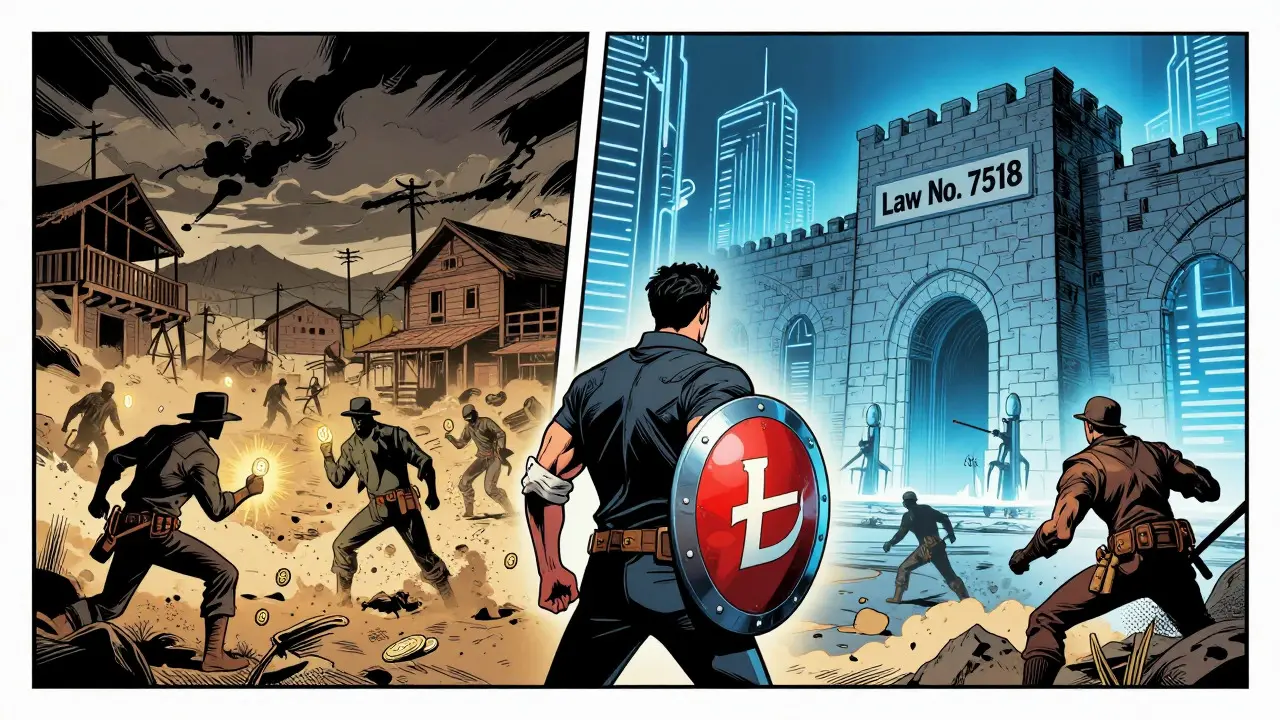
For years, Turkey was the wild west of cryptocurrency. With high inflation eroding the value of the Turkish lira is the official currency of Turkey, which has experienced significant volatility and depreciation in recent years, millions of citizens turned to Bitcoin and stablecoins as a way to protect their savings. But that era of unregulated freedom is over. As of mid-2026, Turkey has implemented one of the strictest and most comprehensive digital asset frameworks in the world.
If you are trading crypto in Turkey or looking to enter the market, the rules have changed drastically. The government isn't just watching anymore; they are actively blocking unlicensed platforms and enforcing heavy penalties. This article breaks down exactly what the new laws mean for you, whether you are a casual trader, a business owner, or an investor trying to understand the landscape.
The Turning Point: From Ban to Framework
To understand where things stand today, we have to look at how we got here. In April 2021, the Central Bank of Turkey (TCMB) is the central bank of Turkey, responsible for monetary policy and financial stability dropped a bombshell. They banned using cryptocurrencies to pay for goods and services. However, they explicitly stated that owning and trading crypto remained legal. This created a confusing "dual approach" that lasted for several years.
Traders could buy Bitcoin, but they couldn't use it to buy coffee. It was a loophole-heavy environment that allowed massive growth but also attracted money launderers and scammers. The government realized that without clear rules, they couldn't control the flow of capital. So, instead of banning crypto entirely like China did, Turkey chose to regulate it heavily.
The real shift happened with the introduction of Law No. 7518 is officially titled the 'Law on Amendments to the Capital Markets Law,' submitted to parliament in May 2024 and enacted in June 2024. This law didn't just tweak existing guidelines; it rewrote the rulebook. It provided formal legal definitions for terms like "wallet," "cryptoasset," and "platform." For the first time, there was a clear line between legal operations and illegal activity.
Who Is Watching? The Three Pillars of Oversight
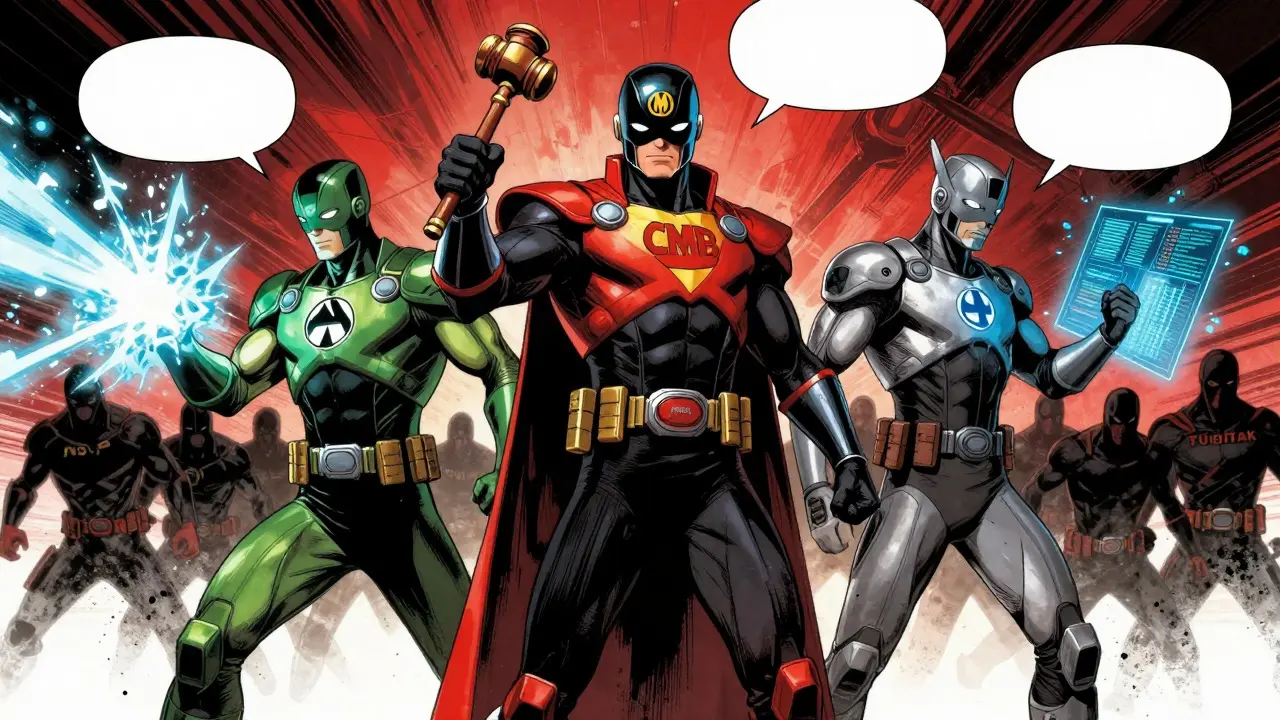
In many countries, crypto regulation is fragmented across different agencies, leading to confusion. Turkey took a different path by creating a tri-party regulatory structure. Understanding who does what is crucial for compliance.
| Agency | Primary Role | Key Powers |
|---|---|---|
| Capital Markets Board (CMB) is the primary regulatory authority overseeing securities and crypto assets in Turkey | Licensing and Market Oversight | Issues licenses to exchanges, sets operational rules, imposes sanctions. |
| MASAK is the Financial Crimes Investigation Board, responsible for anti-money laundering enforcement | Financial Crime Prevention | Enforces AML rules, can freeze crypto and bank accounts linked to suspicious activity. |
| TÜBİTAK is the Scientific and Technological Research Council of Türkiye, focusing on technical standards | Technical Compliance | Ensures exchanges meet infrastructure and security standards. |
This structure means that if you run a crypto business, you aren't just dealing with one regulator. You need to satisfy the CMB's licensing requirements, pass TÜBİTAK's technical audits, and keep MASAK happy with your transaction reporting. It’s a high bar, designed to weed out weak operators.
The High Cost of Doing Business: Licensing Requirements
One of the biggest changes under Law No. 7518 is the cost of entry. If you want to operate a crypto exchange or custody service in Turkey, you need a license from the CMB. And these licenses aren't cheap.
- Exchanges: Must hold minimum capital of TRY 150 million (approximately $4.1 million).
- Custodians: Must hold minimum capital of TRY 500 million (approximately $13.7 million).
Why such high numbers? The government wants to ensure that only financially stable companies can operate. This protects consumers from scams where an exchange runs off with user funds. It also consolidates the market. Small, local startups struggle to compete with well-funded international players or large domestic banks entering the space.
As of July 2024, this framework replaced the old patchwork of informal guidelines. If you were running an unlicensed platform after this date, you were essentially operating illegally. The enforcement followed quickly.
The Crackdown: What Happened in 2025?
Laws on paper are one thing; enforcement is another. Throughout 2025, Turkey showed it meant business. The most significant event occurred in February 2025, when full Anti-Money Laundering (AML) rules went into effect. Every crypto firm had to obtain a license and undergo ongoing audits.
Then came the hammer. In July 2025, authorities blocked 46 unlicensed exchanges. This wasn't just small, obscure sites. The blocklist included major decentralized exchange (DEX) platforms like PancakeSwap. For users who relied on DeFi protocols for privacy or lower fees, this was a shock. Suddenly, access to these platforms required complex workarounds, if they were accessible at all.
The crackdown also had political undertones. On July 28, 2025, the founder of ICRYPEX, a major Turkish exchange, was detained. Allegations suggested links between crypto funding and government critics. While officially framed as a financial crime investigation, many observers saw it as a warning: the state controls the narrative, and crypto isn't immune to political pressure.
What Does This Mean for Everyday Users?
If you are a regular person in Turkey buying Bitcoin to hedge against inflation, your life has become more bureaucratic but potentially safer.
Identity Verification is Mandatory: Gone are the days of anonymous trading. Under the new rules, identity verification (KYC) is mandatory for transactions exceeding 15,000 Turkish lira (roughly $425-$450). For larger amounts, you need to provide documented explanations for the source of funds. This makes it harder to move large sums of money quietly.
No More Payments: Remember the 2021 ban? It’s still in force. You cannot legally use crypto to buy groceries, pay rent, or settle business invoices. Attempts to do so can lead to frozen accounts. MASAK has been granted expanded powers to freeze both crypto and traditional bank accounts linked to suspicious activity without prior court approval. This raises some due process concerns among legal experts, but it shows how seriously the government takes capital flight.
Better Security, More Friction: On the positive side, licensed exchanges now offer robust consumer protection. Your funds are better secured, and if something goes wrong, there is a regulatory body to complain to. However, the friction is real. Account verification processes take longer, and documentation requirements are extensive. Many users report delays and confusion, especially when trying to navigate the system in English, as most government resources are in Turkish.
How Turkey Compares Globally
Where does Turkey fit in the global crypto map? It’s not quite like Europe, and it’s definitely not like the US.
- vs. European Union (MiCA): Turkey’s framework aligns closely with the EU’s Markets in Crypto-Assets (MiCA) regulation. Both emphasize consumer protection and clear licensing. However, Turkey is more restrictive on payments. In the EU, you can still use crypto for payments in many contexts; in Turkey, it’s a hard no.
- vs. United States: The US has a fragmented approach with the SEC, CFTC, and IRS all claiming jurisdiction. Turkey centralizes oversight under the CMB, which provides clearer pathways for businesses, even if the requirements are stricter.
- vs. Switzerland: Switzerland is known for being crypto-friendly, with low barriers to entry and innovation hubs. Turkey is the opposite: high barriers, strict control, and limited innovation incentives outside of compliance.
- vs. South Korea: Turkey mirrors South Korea’s licensed exchange model but adds stricter capital requirements and more extensive reporting obligations.
Essentially, Turkey is positioning itself as a model for emerging markets. It balances the desire for financial innovation with the need to maintain monetary sovereignty. It’s a pragmatic, if heavy-handed, approach.
Looking Ahead: What’s Next?
The regulatory tightening isn’t slowing down. As of August 2026, the Turkish government is drafting additional legislation to expand MASAK’s authority. Proposed measures include:
- Stricter Transaction Limits: Even tighter KYC checks for smaller transactions.
- Stablecoin Restrictions: New rules to prevent unregulated capital flight via stablecoins like USDT or USDC.
- Enhanced Reporting: Heavier penalties for non-compliance, including potential criminal charges for executives.
These developments align with recommendations from the Financial Action Task Force (FATF), the global money-laundering watchdog. Turkey wants to be seen as a compliant, modern financial hub. To do that, it must prove it can control its digital asset sector.
For investors, this means higher confidence in the system’s stability but less freedom. For traders, it means sticking to licensed platforms and keeping meticulous records. The wild west is gone. Welcome to the regulated age of Turkish crypto.
Is it legal to own cryptocurrency in Turkey?
Yes, owning and trading cryptocurrency is legal in Turkey. However, using crypto to pay for goods and services is banned. You must trade through licensed exchanges that comply with Law No. 7518.
What happens if I use an unlicensed exchange?
Using unlicensed exchanges carries significant risk. Authorities have blocked dozens of platforms, including major DEXs. Your funds could be frozen, and you may face difficulties withdrawing money or proving ownership in case of disputes.
Do I need to verify my identity for small trades?
Identity verification (KYC) is mandatory for transactions exceeding 15,000 Turkish lira (~$425). For larger amounts, you must provide detailed documentation explaining the source of your funds.
Can I use Bitcoin to pay for online shopping in Turkey?
No. The Central Bank of Turkey banned cryptocurrency payments for goods and services in 2021. This ban remains in effect. Attempting to use crypto for purchases can lead to account freezes by MASAK.
How much capital is needed to start a crypto exchange in Turkey?
Under Law No. 7518, exchanges require a minimum capital of TRY 150 million ($4.1 million), while custodians need TRY 500 million ($13.7 million). These high requirements aim to ensure financial stability and consumer protection.
Which agency regulates crypto in Turkey?
The Capital Markets Board (CMB) is the primary regulator. It works alongside MASAK (for anti-money laundering) and TÜBİTAK (for technical compliance) to oversee the crypto industry.
 Cryptocurrency Guides