
IMM Cryptocurrency: What It Is, How It Works, and What You Need to Know
When you hear IMM cryptocurrency, a low-profile blockchain token often tied to niche DeFi or utility platforms. Also known as IMM token, it’s not listed on major exchanges like Binance or Coinbase, and most people have never heard of it—but that doesn’t mean it’s useless. Unlike Bitcoin or Ethereum, IMM doesn’t aim to be digital gold or a global settlement layer. It’s built for one specific job: enabling access to a small, focused ecosystem—maybe a gaming platform, a private staking pool, or a localized DeFi protocol. Most tokens like this never break into the mainstream, but they still matter to the people who use them.
What makes IMM different from the thousands of other obscure crypto tokens? For starters, it’s not a meme. It doesn’t have a dog or a banana as its mascot. It’s not hyped on Twitter or promoted by influencers. Instead, it quietly powers a service that few outside its user base even know exists. Think of it like a subway card for a single city’s transit system—you won’t find it in your wallet unless you live there. That’s how most utility tokens operate. Blockchain utility tokens, digital assets designed for specific functions within a platform, not speculation. IMM fits that mold. It’s not meant to be traded for profit. It’s meant to be used. And if you’re not using it, you’re probably better off ignoring it.
But here’s the catch: just because a token is obscure doesn’t mean it’s safe. Many low-liquidity tokens like IMM are targets for rug pulls, fake team claims, or manipulated trading volumes. You’ll find posts about fake airdrops tied to IMM, or websites pretending to be its official portal. That’s why the posts below focus on what actually matters: crypto tokens, digital assets that represent access, rights, or value within a blockchain system. Whether it’s the failed AOG token, the non-existent BABYDB, or the real but overlooked CXO token used in shipping logistics—these stories show how easily people get fooled. The pattern is always the same: hype without substance. IMM might be real, or it might be noise. The difference is in the details: who built it? What’s the code doing? Is there a live, active network behind it? These are the questions the posts below answer, not with fluff, but with facts.
If you’re wondering whether to buy, hold, or avoid IMM, the answer isn’t in the price chart. It’s in the project’s transparency, its team’s track record, and whether it solves a real problem. Most crypto tokens fail because they try to be everything to everyone. The ones that survive do one thing well—and they make sure you know exactly what that is. The posts below cut through the noise. They show you what’s real, what’s fake, and what’s just waiting to disappear.
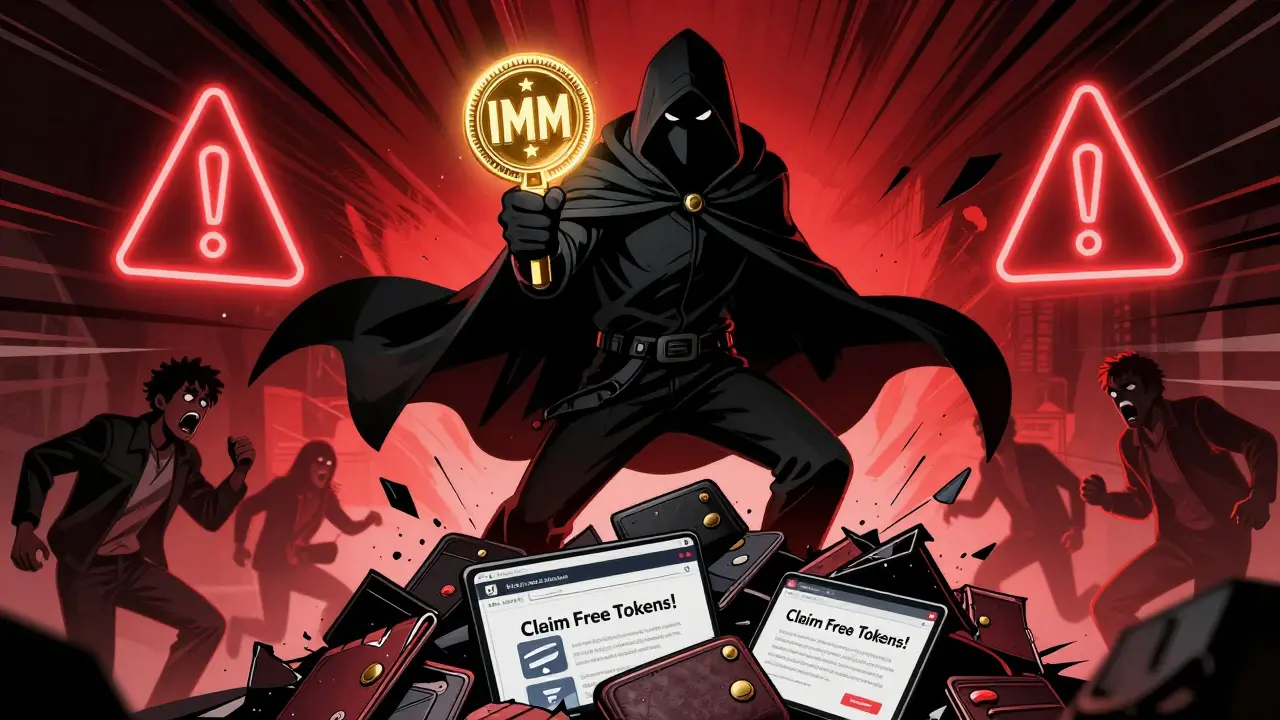
There is no legitimate IMM airdrop in 2025. Any site or social post claiming otherwise is a scam. Learn how to spot fake crypto airdrops and protect your wallet from theft.
 Cryptocurrency Guides