
You’ve likely seen the buzz about an ORI Orica Token airdrop. Maybe it was a tweet from an influencer you trust, a message in a Discord server, or a pop-up on your browser. The promise is simple: free tokens if you just connect your wallet or click a link. But here is the hard truth that most people ignore until it’s too late: there is no legitimate project called "ORI Orica" running an official airdrop as of mid-2026.
If you are holding your breath for these tokens to hit your wallet, you need to stop right now. The confusion stems from a mix of similar names, past projects, and aggressive scammers trying to cash in on the reputation of the real Orca ecosystem. Let’s break down exactly what is happening, why this name sounds familiar, and how you can protect your crypto assets from being drained.
The Confusion Behind "ORI" and "Orca"
To understand why this rumor persists, we have to look at the actual entities involved. The name "Orca" belongs to one of the most respected decentralized exchanges (DEXs) on the Solana blockchain. Launched in 2021, Orca DEX is a leading liquidity marketplace on Solana known for its user-friendly interface and fair launch mechanisms. They distributed their native ORCA token to early contributors and community members years ago. That event is history.
Then there is the matter of recent AI-driven projects. In July 2025, a project called Orca DeFi AI is an AI-powered assistant built on Solana for crypto education and trading insights. This team conducted an airdrop for a token called ORCAI. They targeted the top 1,000 holders of URS tokens. The distribution was automatic for those who held the required assets in their Solana wallets. There was no "ORI" token involved in that campaign.
So where does "ORI" come from? In the world of cryptocurrency, scammers often use slight variations of popular names to trick users. "ORI" sounds like "Orca." It looks professional. But when you dig into major crypto databases, airdrop tracking platforms, and official Orca communications, you find nothing. No whitepaper. No verified smart contract. No official announcement from the Orca team. The absence of verifiable information is not a mystery; it is a red flag.
How These Fake Airdrop Scams Work
Scammers are getting smarter, but their playbook remains largely the same. Here is how they typically operate when promoting fake tokens like "ORI":
- Social Media Spam: Bots create hundreds of accounts to post about the "upcoming" airdrop on Twitter (X) and Telegram. They use hashtags like #Solana, #Airdrop, and #FreeCrypto to get visibility.
- Fake Websites: They build websites that look almost identical to the real Orca site. The URL might be slightly off, like `orca-airdrop-official.com` instead of `orca.so`. These sites ask you to connect your wallet to "claim" your rewards.
- The Malicious Contract: When you connect your wallet to these fake sites, you aren't just signing a transaction. You are approving a malicious smart contract. This contract gives the scammers permission to drain all compatible tokens from your wallet. They don't send you ORI tokens; they take everything you have.
- Seed Phrase Phishing: Some scams go even lower-tech. They might send you a direct message claiming you need to verify your identity by entering your seed phrase on a specific platform. Never, ever do this. Legitimate projects never ask for your seed phrase.
The psychological trigger here is greed mixed with FOMO (Fear Of Missing Out). You see others talking about it, so you assume it must be real. But remember: if it sounds too good to be true, especially involving a major brand name like Orca, it is almost certainly a trap.
Verifying Legitimate Solana Airdrops
Not all airdrops are scams. Solana has a vibrant culture of rewarding active users. Projects like Jupiter, Jito, Pyth Network, and Kamino have run successful, transparent airdrops. How did they differ from the fake "ORI" hype?
- Official Channels Only: Legitimate projects announce airdrops through their verified Twitter accounts, official Discord servers, and main websites. They do not rely on random influencers or DMs.
- Clear Criteria: Real airdrops have clear eligibility requirements. For example, you might need to have provided liquidity on their platform during a specific period, or used their bridge service. The criteria are public and auditable on-chain.
- No Upfront Costs: While you might need to pay gas fees to claim tokens later, you should never have to send money to receive an airdrop. If a site asks you to pay a "verification fee" or buy a NFT to unlock your airdrop, walk away.
- Smart Contract Verification: Before interacting with any new token, check its contract address on a block explorer like Solscan or DexScreener. Look for verified source code and reputable audit reports. If the contract is anonymous or unverified, it is risky.
In the case of the "ORI Orica" rumor, none of these boxes were checked. There was no official announcement from Orca. There were no clear criteria. And most importantly, there was no verifiable contract. This lack of transparency is the hallmark of a fraudulent scheme.
Protecting Your Wallet in 2026
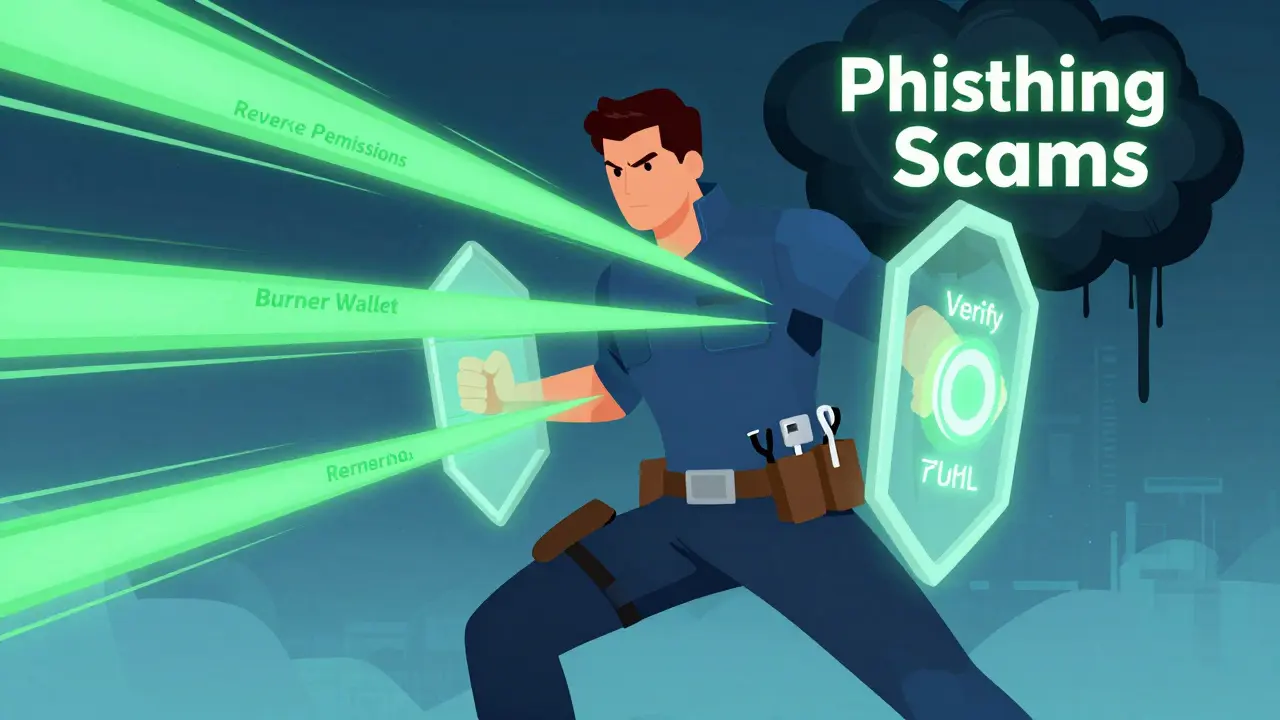
As we move further into 2026, the sophistication of crypto scams continues to evolve. However, your defense strategy doesn't need to be complicated. Follow these practical steps to keep your assets safe:
| Practice | Why It Matters | Action Step |
|---|---|---|
| Use a Burner Wallet | Isolates risk from your main holdings | Create a separate Solana wallet for interacting with new dApps and claiming potential airdrops. |
| Revoke Permissions | Prevents unauthorized access to your funds | Regularly check and revoke unused approvals using tools like Revoke.cash or Solana-specific revocation tools. |
| Verify URLs | Avoids phishing sites | Always bookmark official project sites. Check the URL carefully before connecting your wallet. |
| Ignore DMs | Reduces exposure to social engineering | Never respond to unsolicited messages offering help, support, or airdrops. Official teams rarely DM users first. |
One of the most effective habits you can adopt is using a "burner" wallet. Keep your long-term investments in a secure hardware wallet or a primary software wallet that you rarely connect to unknown sites. Use a secondary, empty wallet for exploring new protocols, clicking links, and claiming airdrops. If that wallet gets compromised, your main savings remain untouched.
Additionally, stay updated on the official Orca roadmap. If Orca ever launches a new token or initiative, it will be announced prominently on their official channels. Do not rely on third-party rumors. The Orca team has built a reputation for fairness and transparency. They would not hide a major airdrop behind vague whispers on social media.
What To Do If You Already Connected
If you fell for the "ORI Orica" bait and connected your wallet to a suspicious site, don’t panic, but act quickly. First, disconnect your wallet from that site immediately. Then, transfer any remaining funds from that wallet to a new, secure wallet. Do not leave anything in the compromised wallet.
Next, check your transaction history on Solscan. Look for any outgoing transactions you didn’t authorize. If you see unauthorized transfers, document them. While recovering stolen funds is difficult, reporting the incident to the relevant authorities and sharing the scammer’s details with community safety groups can help prevent others from falling victim.
Finally, consider using a tool to revoke all pending approvals. Scammers often set up allowances that allow them to drain specific tokens over time. Revoking these permissions cuts off their access.
The Future of Airdrop Farming
The desire for free tokens is understandable. Airdrops have made many people wealthy. But the era of easy, low-effort airdrops is fading. Projects are becoming more selective, rewarding genuine users who contribute to network activity, provide liquidity, or participate in governance. This shift means that sustainable airdrop farming requires real engagement, not just clicking links.
For those interested in the Orca ecosystem, the best way to potentially benefit from future distributions is to use the platform legitimately. Provide liquidity to pools that interest you, trade on the DEX, and follow their official announcements. By participating in the ecosystem’s growth, you position yourself as a valuable community member. This is far more reliable than chasing phantom tokens like "ORI."
Remember, in crypto, your attention is also an asset. Don’t waste it on scams. Focus on building knowledge, securing your assets, and engaging with projects that have proven track records. The real opportunities are out there, but they require patience and vigilance.
Is there an official ORI token from Orca?
No. As of 2026, there is no official token called "ORI" issued by the Orca DEX team. Any claims of an "ORI Orica" airdrop are likely scams or misidentifications of other projects.
What happened to the Orca DeFi AI airdrop?
Orca DeFi AI conducted an airdrop for ORCAI tokens in July 2025. It was distributed to top URS token holders. This is a separate entity from the main Orca DEX and did not involve an "ORI" token.
How can I tell if an airdrop is a scam?
Look for official announcements on verified social media channels, clear eligibility criteria, and no requests for upfront payments or seed phrases. If a project lacks a website, whitepaper, or verified team, it is likely a scam.
Should I connect my wallet to claim the ORI airdrop?
Absolutely not. Connecting your wallet to unofficial sites can expose your funds to theft via malicious smart contracts. Always verify the source before interacting with any dApp.
Where can I find legitimate Solana airdrops?
Follow official project announcements on Twitter and Discord. Use trusted airdrop tracking platforms that verify projects. Engage genuinely with established ecosystems like Orca, Jupiter, and Phantom to increase your chances of qualifying for future rewards.
 Cryptocurrency Guides