
Crypto Regulations and Blockchain Tech in October 2025
When it comes to crypto regulations, the legal rules that govern how cryptocurrencies are used, traded, and taxed across different countries. Also known as cryptocurrency legality, it’s no longer just about whether crypto is allowed—it’s about who can operate, where, and under what conditions. In 2025, the U.S. still has a patchwork of state laws: New York demands a BitLicense, California pushes for innovation, and most others lag behind. Meanwhile, the EU’s MiCA regulation is forcing businesses to get licensed, while Colombia lets you trade crypto but offers zero legal protection. South Korea requires real-name verification, and El Salvador stands out with zero capital gains tax on Bitcoin. These aren’t just rules—they’re gatekeepers that decide who wins and who gets locked out.
Blockchain scaling, the process of making blockchains faster and cheaper to use without sacrificing security. Also known as layer-2 solutions, it’s what keeps networks like Ethereum alive as demand grows. Rollup technology—especially ZK and Optimistic rollups—is leading this charge in 2025, handling millions of transactions off-chain while still anchoring to the main blockchain. At the same time, privacy-preserving smart contracts, contracts that hide transaction details using zero-knowledge proofs to protect sensitive data. Also known as confidential transactions, they’re becoming essential for healthcare, finance, and enterprise use cases. Without them, public blockchains can’t handle private business logic. And behind every token, there’s token vesting, a schedule that releases tokens over time to prevent dumps and align incentives. Also known as vesting schedules, it’s the quiet force keeping prices stable in projects from DeFi protocols to fan tokens. If a project skips vesting, you’re likely looking at a pump-and-dump. These aren’t side topics—they’re core to survival in today’s market.
October 2025’s collection dives deep into what’s real and what’s fake. You’ll find clear breakdowns of state-by-state crypto laws in the U.S., how Colombia’s crypto scene actually works, and why South Korea’s rules are stricter than most people realize. We cover how rollups are changing the game, why privacy contracts matter for real businesses, and how token vesting keeps projects from collapsing. You’ll also see how scams like the Frutti Dino and DOGECOLA airdrops trick users—and how to avoid them. From exchange reviews like Ionomy and Lukki to the shutdown of TOKOK, this archive gives you the facts behind the noise. Whether you’re trading, investing, or just trying not to get ripped off, what follows is the unfiltered, no-fluff truth from the last month.
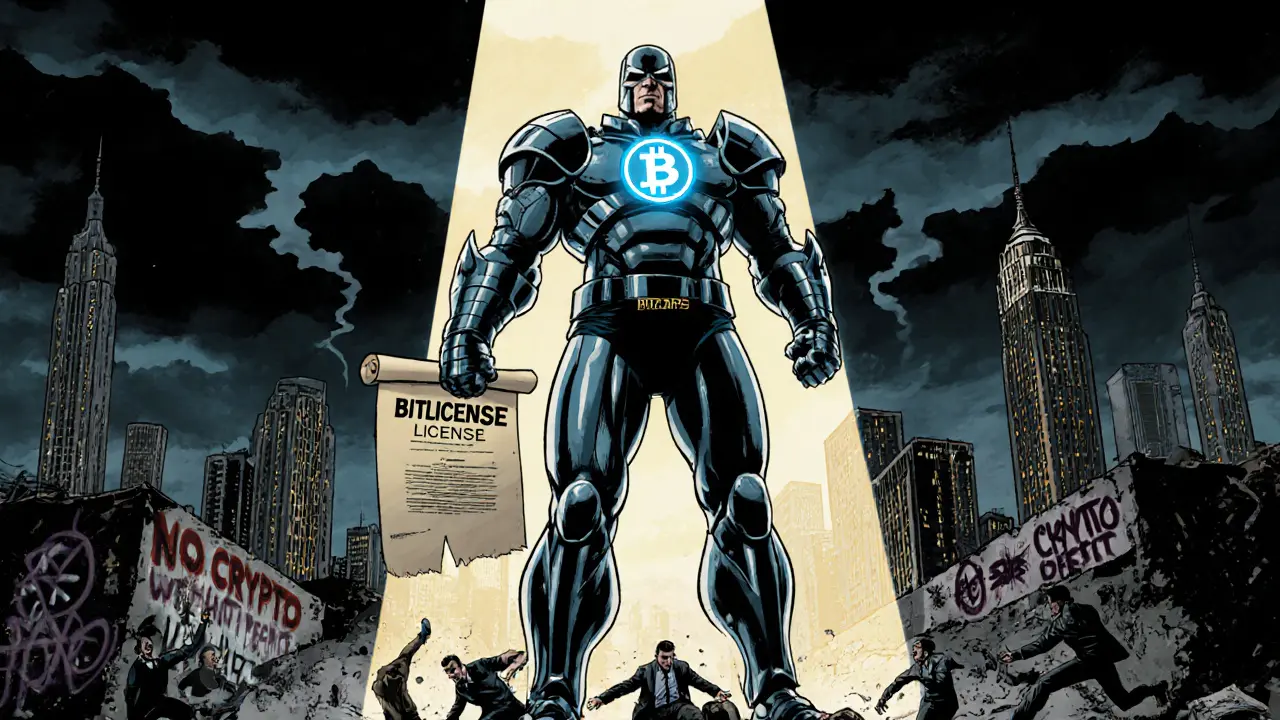
As of 2025, U.S. crypto regulations vary wildly by state. New York demands a BitLicense, California encourages innovation, and most states still rely on outdated laws. Federal rules are finally emerging-but state laws still control who can operate.

Proof of Work began as an anti-spam tool, evolved into Bitcoin’s security backbone, and now faces energy debates. This is its full history - from Hashcash to ASICs, and why Bitcoin still relies on it.

Learn how token vesting controls supply, aligns incentives, and protects cryptocurrency token value with clear schedules, smart contracts, and real‑world examples.
Learn how governance tokens work, what influences their price, and which new models can lock value to real participation in DAOs.

Explore how rollup technology scales blockchains, compare ZK‑ and Optimistic rollups, and see what the next five years hold for this game‑changing Layer‑2 solution.

A clear, no‑fluff guide to Nibbles (NIBBLES) crypto coin, covering its price, supply, risks, how to trade it, and why it’s considered a high‑risk micro‑cap token.

A clear guide to South Korea's crypto trading rules, covering licensing, real-name verification, taxes, security standards, and future regulatory trends.
Privacy-preserving smart contracts hide transaction details on public blockchains using cryptography. They solve business privacy needs in healthcare, finance, and supply chains. Learn how they work and current challenges.
Find out why no official DOGECOLA (COL) airdrop exists, learn the token basics, and get a safe‑check list to spot real airdrops.
A detailed guide that explains MiCA regulation, licensing steps, stablecoin rules, and compliance obligations for crypto businesses operating in the EU.
All you need to know about the RACA x BSC MVBIII September Star airdrop - eligibility, claim steps, timeline, and extra rewards explained clearly.
Learn why the Frutti Dino (FDT) CMC airdrop claim is a scam, how to verify legitimate airdrops, and steps to protect yourself from phishing attacks.
Latest Posts
Privacy-Preserving Smart Contracts Explained: Securing Blockchain Data with Zero-Knowledge Proofs
Oct 22 2025 Cryptocurrency Guides