
Crypto Exchange Brazil: What You Need to Know About Trading Crypto in Brazil
When you're looking for a crypto exchange Brazil, a platform where people in Brazil buy, sell, and trade digital currencies using local currency like the BRL. Also known as Brazilian crypto platforms, these services let you trade Bitcoin, Ethereum, and other tokens without needing a bank that supports crypto. Brazil has one of the largest crypto user bases in Latin America—over 30 million people have traded or held crypto, even though the government hasn’t given it official legal status as money.
What makes Brazilian crypto regulations, the rules set by Brazil’s Central Bank and Receita Federal to oversee digital asset trading and taxation. Also known as Brazil crypto laws, they require exchanges to register, follow AML checks, and report user activity so different from other countries? Unlike the U.S. or EU, Brazil doesn’t ban crypto—it just makes sure you pay taxes. Every trade, even between coins, triggers a 15% capital gains tax. That’s why most Brazilians stick to big, regulated platforms like Binance Brazil, the most popular crypto exchange in the country, offering BRL deposits, low fees, and direct bank transfers. Also known as Binance BR, it’s the go-to for beginners and pros alike. Other local exchanges like Mercado Bitcoin and Foxbit are also trusted, but they’re smaller and have fewer coins.
If you’re trying to use a foreign exchange like Coinbase or Kraken, you’ll hit roadblocks. Many don’t support BRL deposits, and even if they do, your bank might block the transaction. That’s why most Brazilians rely on P2P trading or local exchanges. The government also cracks down on unlicensed platforms—like the ones that promise high returns with no KYC. Those are scams. Real exchanges in Brazil require ID verification, just like banks. And if you’re mining crypto? You need to declare it. The tax office is watching.
So what’s actually available to you right now? You can buy crypto with your debit card, send it to a wallet, or even use it to pay for goods at some stores. But you can’t use it to pay taxes or buy a house legally—yet. The big question isn’t whether crypto is legal in Brazil. It’s whether you’re using the right platform, paying your taxes, and avoiding the fake apps that promise free money. Below, you’ll find real reviews and warnings about exchanges that work in Brazil, those that don’t, and the hidden rules that could cost you money if you ignore them.
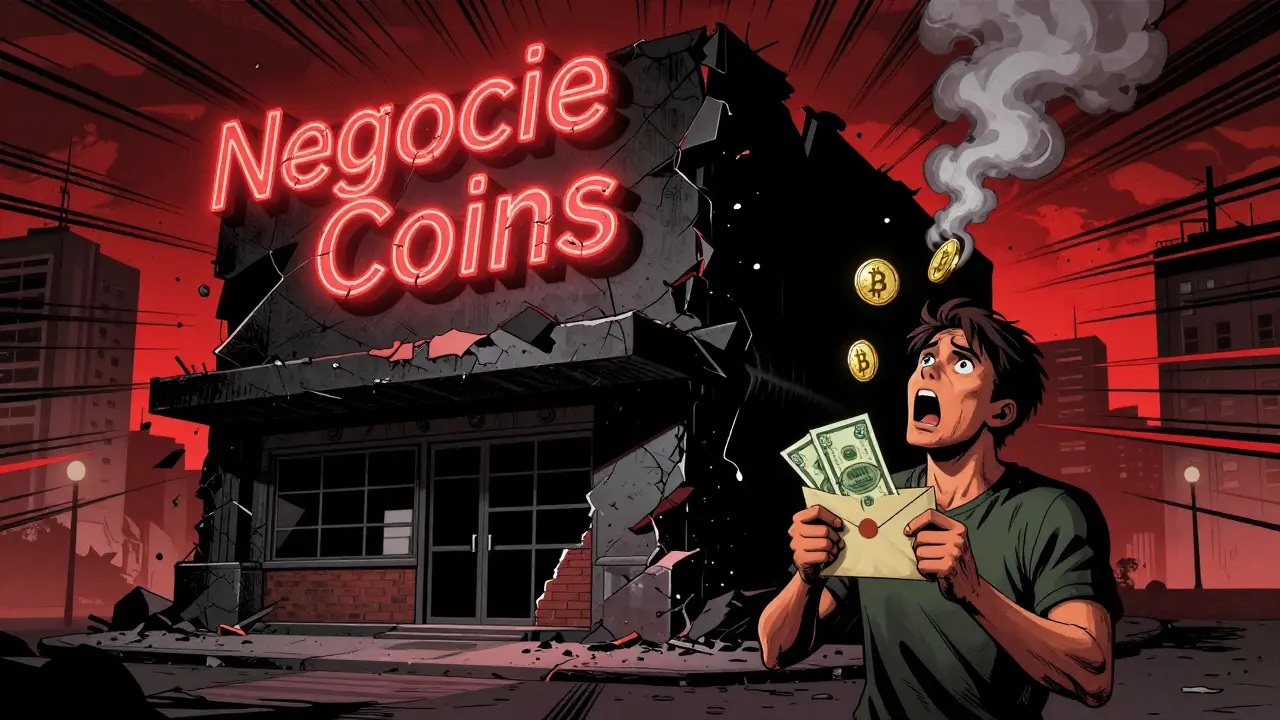
Negocie Coins was a Brazilian crypto exchange that shut down in 2020 and was labeled a scam. This review explains what it offered, why it failed, and what to look for instead.
 Cryptocurrency Guides