
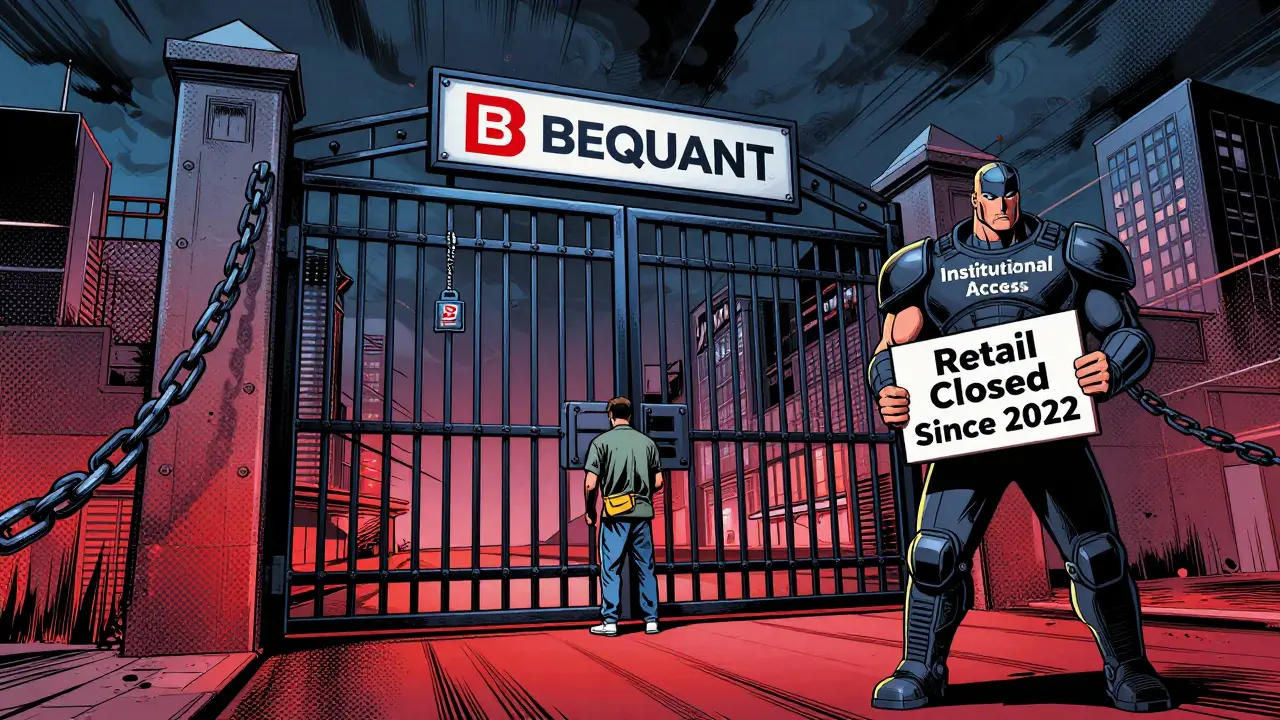
You might have stumbled upon BEQUANT, a name that once appeared on lists of top-tier cryptocurrency exchanges. But here is the hard truth you need to know before you even think about signing up: BEQUANT is no longer a retail crypto exchange. If you are looking to buy Bitcoin or trade Ethereum as an individual investor, this door is closed. The platform shut down its services for regular users back in July 2022.
This review isn't just about whether the platform is good or bad-it’s about understanding why it changed and what that means for you. Many traders still search for BEQUANT because they remember its low fees or professional tools. Others are confused by conflicting information online. By the end of this article, you will understand exactly where BEQUANT stands today, who actually uses it now, and whether there is any value left for the average trader.
The Short Answer: BEQUANT Is Not For You (Unless You Are an Institution)
If you clicked this title hoping to find a new place to trade your crypto portfolio, I have some disappointing news. As of 2026, BeQuant Pro Limited operates exclusively as a prime brokerage service for institutional clients. This means hedge funds, asset managers, and large financial firms use their infrastructure. Regular people like us? We were kicked out nearly four years ago.
The company made a strategic pivot. They realized that competing with giants like Binance or Coinbase for retail customers was too expensive and regulatory-heavy. So, they surrendered their license to operate as a direct exchange for individuals. Instead, they focused on the B2B side of the crypto industry. This is a crucial distinction. When you read "BEQUANT" in financial news today, it refers to their backend services, not a trading app you can download.
A Brief History: From Retail Darling to Institutional Giant
To understand the current situation, we have to look at how things used to be. Founded in 2018 by blockchain professionals, BEQUANT started with headquarters in London and operational offices in Malta. Their address in St. Julians, Malta, became a symbol of their attempt to build a regulated European presence early on.
In its heyday, specifically around 2021, BEQUANT was quite impressive. They secured Virtual Financial Assets Act (VFAA) licenses from the Malta Financial Services Authority (MFSA)-specifically Class 4 for exchange operations and Class 3 for prime brokerage. This dual licensing allowed them to serve both retail traders and institutions simultaneously. At that time, they reported massive trading volumes and offered 85 trading pairs. For a short window, they were one of the few "regulated" exchanges in Europe that felt professional enough for serious traders but accessible enough for individuals.
However, the landscape shifted rapidly. In May 2019, they launched BeQuant Direct, a low-latency platform for pros. This was the seed of their future strategy. By July 2022, the decision was final. They announced the surrender of their VFA Class 4 license. On July 31, 2022, retail trading stopped. Users had until August 8, 2022, to withdraw their funds. That was the last day for individual accounts.
What Made BEQUANT Special (When It Was Open)
Even though it’s closed to us, it’s worth analyzing what BEQUANT offered when it was active. This helps explain why institutional clients still flock to their remaining services and why some retail traders miss it.
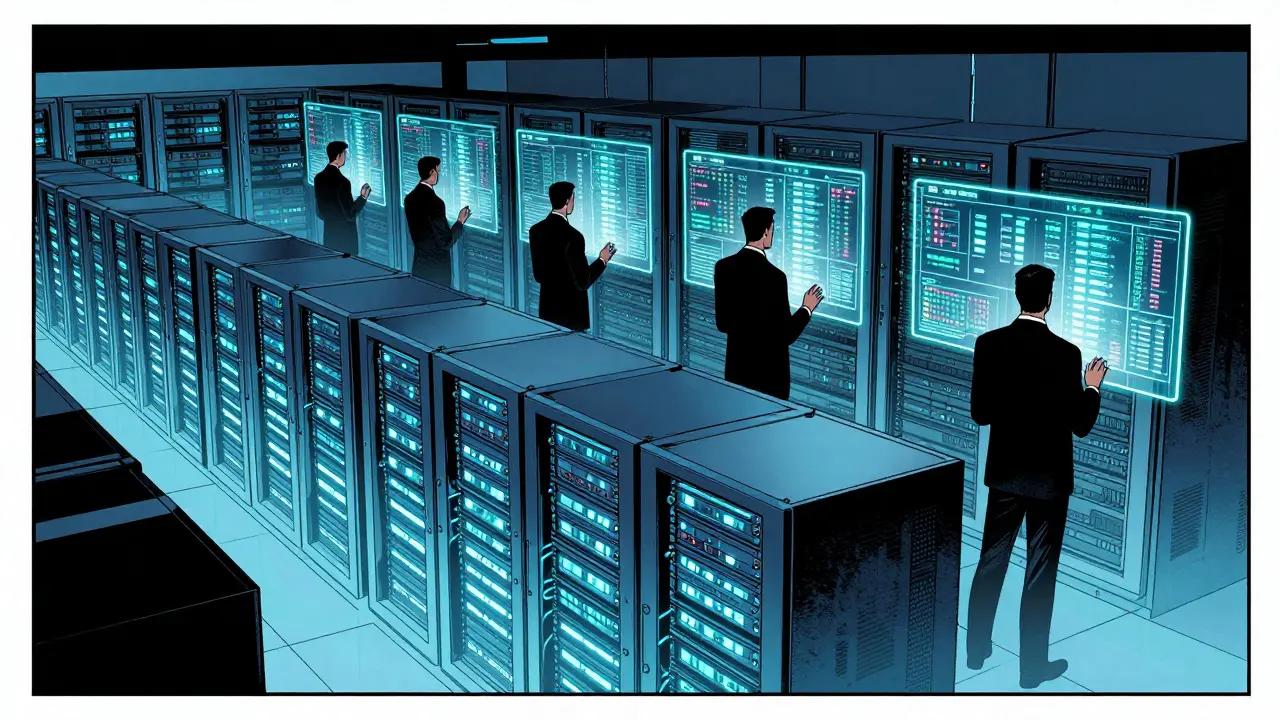
Technical Infrastructure: BEQUANT didn’t just build a website; they built a high-frequency trading engine. They utilized FIX 4.4 protocols, WebSocket, and REST APIs. More importantly, they used co-located hosting near their matching engine in the Equinix LD4 data center in London. This setup allowed trade execution in microseconds. For a retail trader, this speed didn’t matter much. For a hedge fund running algorithmic strategies, it was everything.
Fees: The fee structure was incredibly competitive. Makers (those adding liquidity) paid only 0.01%, while takers paid 0.10%. Compare this to many retail exchanges charging 0.1% to 0.5% flat rates, and you see why active traders loved it. It was designed for volume.
Liquidity Access: They claimed to rank among the top 10 exchanges globally in terms of liquidity depth. They provided Direct Market Access (DMA) to over 13 major liquidity pools. This meant orders were filled quickly without slippage, a common pain point on smaller exchanges.
Pros and Cons: A Look Back at the User Experience
Let’s break down the experience based on user feedback from the period when retail trading was live. Remember, these insights come from a small sample size-about 4 reviews on platforms like CryptoGeek-but they paint a clear picture.
| Feature | Details | Impact on User |
|---|---|---|
| Security & Regulation | MFS Licensed, ISO 27001 Certified | High trust factor compared to unregulated offshore exchanges. |
| User Interface | Professional, API-focused | Steep learning curve for beginners; excellent for pros. |
| Mobile App | None available | Major inconvenience for traders wanting to move markets on the go. |
| Language Support | English only | Barred non-English speakers, particularly limiting in global crypto markets. |
| Customer Support | Email and Live Chat (24/7) | Adequate for technical issues, but limited resources for retail queries. |
The biggest complaint wasn’t about scams or missing funds-BEQUANT operated legitimately. The frustration came from accessibility. There was no mobile app. If you wanted to check your position while commuting, you couldn’t. Also, the lack of Russian language support was a significant barrier for many international traders who expected multilingual interfaces from a global platform.
Who Uses BEQUANT Today?
So, if retail traders are gone, who is left? The answer lies in the term "Prime Brokerage." A prime broker provides a suite of services to hedge funds and other institutional investors. These services include:
- Custody: Secure storage of digital assets.
- Lending: Borrowing crypto to short sell or leverage positions.
- Execution: Advanced order routing across multiple exchanges.
- Reporting: Detailed analytics for compliance and performance tracking.
BEQUANT partners with entities like WhiteBIT to enhance liquidity for these institutional clients. They focus on the plumbing of the crypto market-the pipes that move billions of dollars efficiently. This shift aligns with broader industry trends. As regulations tighten in Europe and elsewhere, it has become prohibitively expensive for mid-sized exchanges to compete for retail customers against tech giants. Meanwhile, the demand for compliant, secure institutional infrastructure has skyrocketed.
Is BEQUANT Safe?
Safety is a relative term. For the institution using their services, yes, it is safe. They hold ISO 27001 certification, which is the gold standard for information security management systems. They are regulated by the MFSA in Malta. Their infrastructure is robust, designed to prevent hacks and ensure uptime.
For a retail trader in 2026, the question is moot because you cannot access it. However, it’s important to note that during its retail phase, there were no major reports of theft or insolvency. The closure was a business decision, not a collapse. Users were given ample notice and deadlines to withdraw funds. This distinguishes BEQUANT from exchanges that vanish overnight with users' money.
Alternatives for Retail Traders in 2026
Since BEQUANT is off the table, where should you go? The choice depends on what you valued about BEQUANT originally.
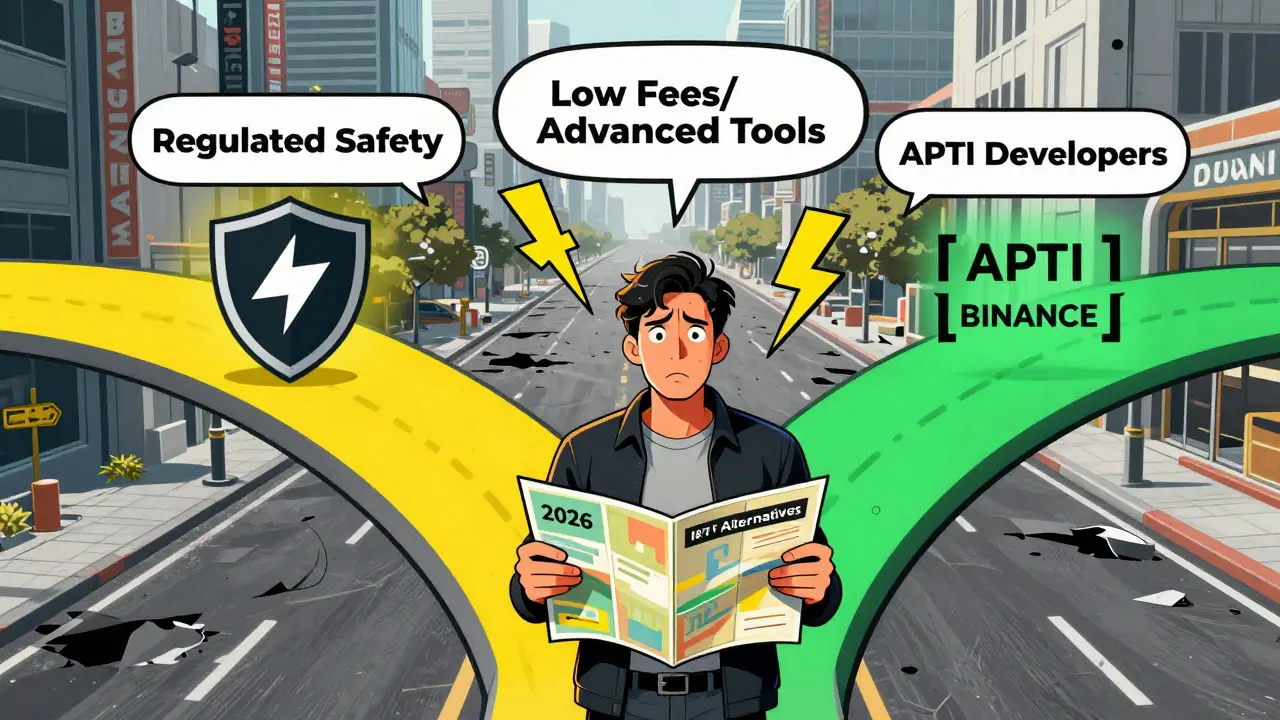
If you liked the regulatory compliance, look toward exchanges like Kraken or Coinbase, which are heavily regulated in Western jurisdictions. They offer peace of mind, though their fees might be higher than BEQUANT’s old 0.01% maker rate.
If you were drawn to the low fees and advanced tools, consider platforms like Bybit or OKX. They cater to more sophisticated traders, offer derivatives, and have aggressive fee structures for high-volume users. However, be mindful of their regulatory status depending on your country of residence.
If you need institutional-grade API access as an individual developer, some exchanges like Binance offer robust APIs that mimic the professional environment BEQUANT provided. You won’t get the same co-location benefits, but you can build sophisticated bots.
Future Outlook: The Rise of Institutional Crypto
BEQUANT’s pivot reflects the maturation of the cryptocurrency industry. The wild west days of unregulated retail exchanges are fading. In their place, we see a bifurcation: consumer-friendly apps for buying/selling simple holdings, and complex, regulated infrastructure for professional money managers.
Industry analysts predict that the prime brokerage market will continue to grow as traditional finance firms enter the crypto space. Banks and asset managers need trusted partners to handle custody and execution. BEQUANT is well-positioned in this niche. They may never return to retail, but their relevance in the broader financial ecosystem is likely to increase.
For us, the lesson is clear. Always verify the current status of an exchange before investing time or money. Just because a platform was reputable five years ago doesn’t mean it serves your needs today. The crypto landscape changes fast, and staying informed is your best defense.
Can I still sign up for BEQUANT as a retail trader in 2026?
No. BEQUANT ceased all retail exchange operations on July 31, 2022. They no longer accept new individual users or allow existing retail accounts to trade. The platform now operates exclusively as BeQuant Pro Limited, serving institutional clients.
Where did my BEQUANT funds go after the closure?
Users were required to withdraw their funds by August 8, 2022. If you had an account at that time, you should have received your assets via bank transfer or crypto withdrawal. Any remaining balances after the deadline were handled according to their terms of service, typically involving closure of inactive accounts.
Is BEQUANT a scam?
No, BEQUANT is not a scam. It was a legitimate, regulated entity licensed by the Malta Financial Services Authority (MFSA). The closure of retail services was a strategic business decision to focus on institutional prime brokerage, not a fraudulent exit.
What is the difference between BEQUANT and BeQuant Pro?
BEQUANT was the brand name for the retail-facing exchange. BeQuant Pro Limited is the current legal entity that holds the Class 3 Prime Brokerage license. They provide backend services like custody and execution for hedge funds and large institutions, not individual traders.
Are there similar exchanges to BEQUANT for advanced traders?
Yes. If you are looking for low fees and advanced API capabilities, consider Kraken Pro, Bybit, or OKX. These platforms offer sophisticated trading tools, deep liquidity, and lower fee tiers for high-volume traders, though they do not offer the exact same institutional prime brokerage services.
Why did BEQUANT close its retail operations?
The primary reasons were increasing regulatory costs in Europe and intense competition from larger retail exchanges. By focusing on institutional prime brokerage, BEQUANT could operate in a more stable, high-margin segment of the market with clearer regulatory frameworks.
 Cryptocurrency Guides